Is the Deerfield Beach Second Home Market Right for You?
April 9, 2026
April 9, 2026
If you are thinking about a second home in South Florida, Deerfield Beach can look like an easy yes. You get direct beach access, boating infrastructure, and a coastal lifestyle that works especially well in the winter months. But the right second-home market is not just about scenery. It is also about how you plan to use the property, what type of home fits your goals, and whether you are comfortable with the costs and rules that come with coastal ownership. Let’s dive in.
Deerfield Beach stands out as a beach-and-water-oriented market with practical daily-use appeal. The city describes an award-winning Blue Wave beach with year-round Ocean Rescue coverage along a one-mile stretch, plus 2.1 miles of Atlantic beachfront, two surfing areas, deep-water access, two boat ramps, and a 960-foot fishing pier with an oceanfront restaurant and bait shop.
For you as a second-home buyer, that matters because it creates more than a simple beach town experience. It supports a lifestyle built around quick access to the water, whether your ideal day includes a morning walk on the sand, an afternoon on a boat, or time at the pier.
If you plan to use your second home during the cooler months, Deerfield Beach has a clear seasonal advantage. The city reports that beach activity is highest from November through April, and South Florida’s winter dry season generally runs from December to mid-May.
That pattern lines up well with how many second-home owners actually live. You may want a home base for winter stays, extended holidays, or flexible work trips when other parts of the country are cold. Deerfield Beach fits that use case well, but it also means you should expect more people, more traffic, and more competition for parking during peak periods.
A second home should feel easy to use, so convenience matters. Deerfield Beach uses pay-by-plate parking and digital permits, which is worth factoring into your decision if you expect to spend a lot of time near the beach or public launch areas.
On busy weekends and holidays, the city’s public safety analysis says beach service populations can reach 150,000 to 200,000 people, with annual beach attendance at about 4.09 million in 2024. In simple terms, Deerfield Beach offers strong public access and coastal energy, but it is not a sleepy, empty shoreline during high season.
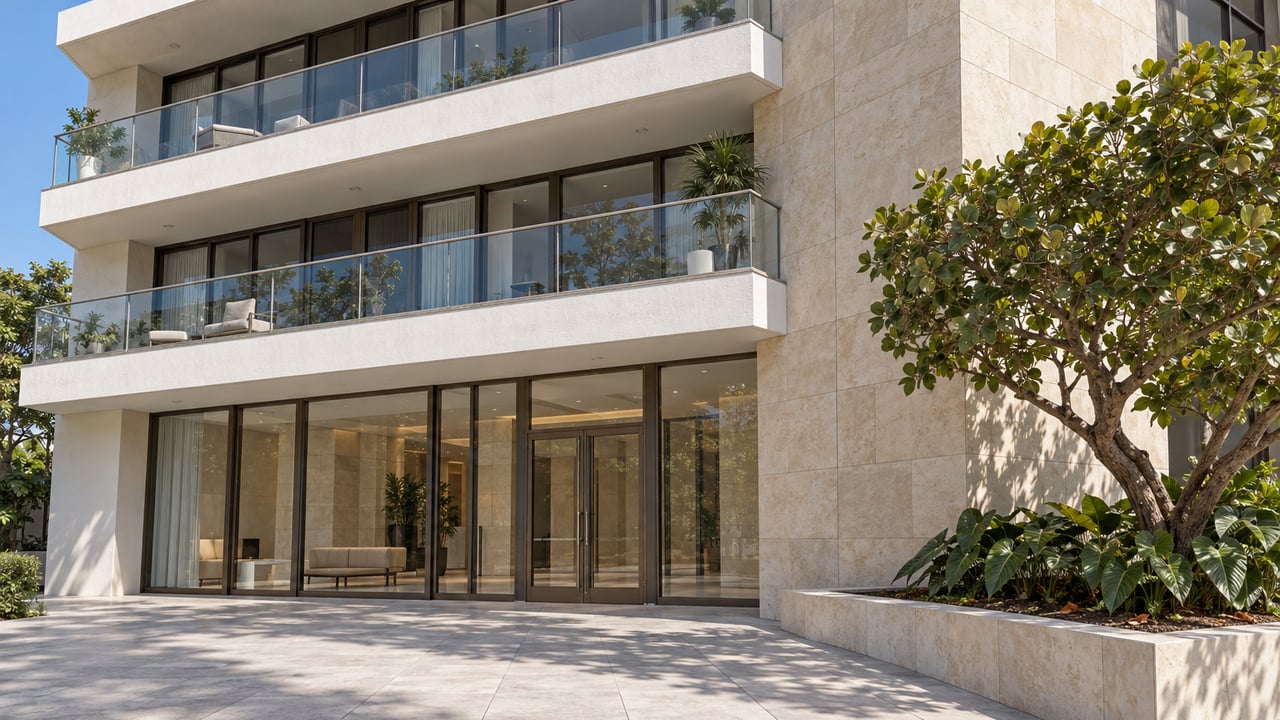
One of the biggest Deerfield Beach decisions is not whether to buy, but what to buy. The city’s 2025-2029 Consolidated Plan shows a housing stock tilted heavily toward multifamily living. Of 46,309 residential properties, 34.2% are in buildings with 20 or more units, and the city says multifamily housing represents 51% of the total stock.
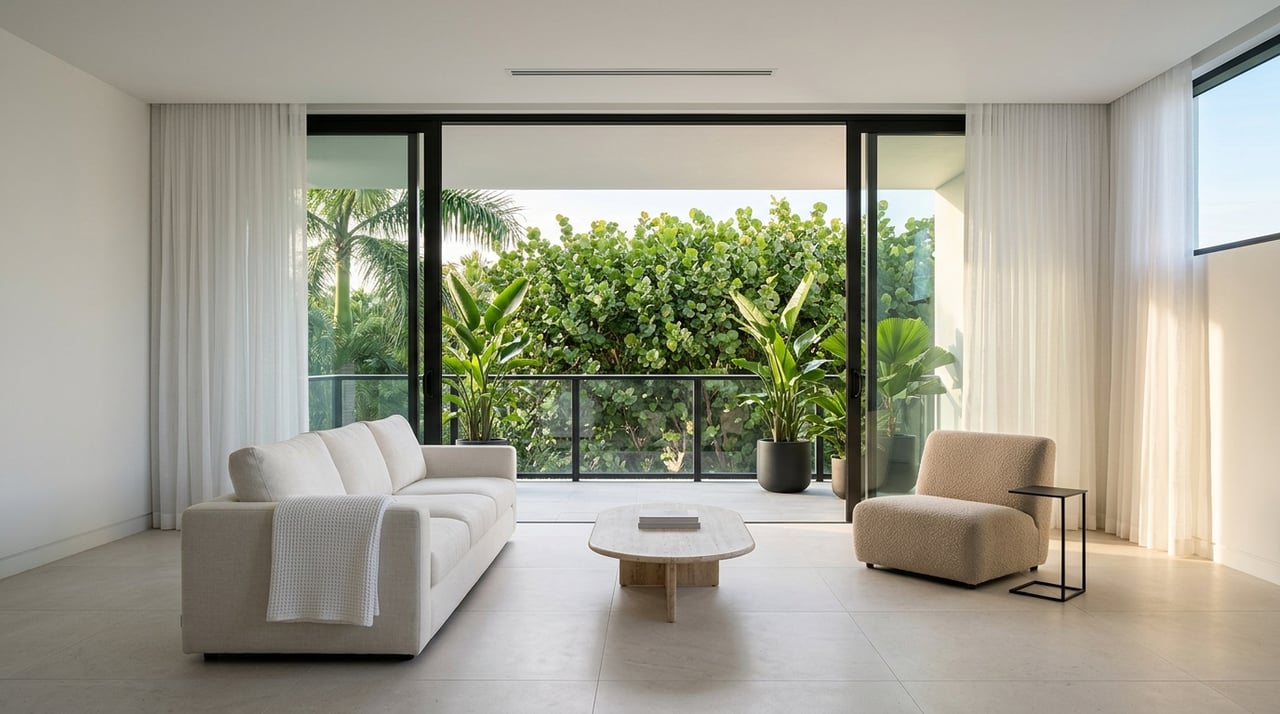
That makes Deerfield Beach a natural market for buyers comparing condos and houses. If your goal is low-maintenance ownership and easier lock-and-leave use, a condo may line up with how you plan to use a second home. If you want more privacy, more room, or a stronger separation from shared amenities and building rules, a single-family property may be the better fit.
A condo can work well if you want simplicity and a more predictable ownership routine. For many second-home buyers, that means less day-to-day upkeep and a property that is easier to leave for part of the year.
Deerfield Beach’s housing mix supports that path. It gives you a larger pool of multifamily options than you would find in a more detached-home-oriented market.
A house may be a stronger fit if you value space, privacy, or a more independent ownership experience. That can matter if you expect to host often, want storage for coastal gear, or prefer more control over the property itself.
The tradeoff is usually more direct responsibility. In a coastal market, that can mean more attention to maintenance, insurance, and storm preparation.
Current Census QuickFacts for Deerfield Beach show a median owner-occupied home value of $309,600, median monthly owner costs with a mortgage of $2,094, and 36,441 households. Those numbers help frame the city as a market with a broad ownership base, but they do not tell the full second-home story on their own.
Property age matters just as much. The city notes that nearly 28,000 housing units were built before 1980, with just under 1,000 built before 1950. For you, that means older coastal properties may call for closer review of maintenance history, building condition, insurance implications, and reserve funding where applicable.
If you want your second home to generate part-time rental income, Deerfield Beach may be workable, but it is not a casual set-it-and-forget-it market. The city does allow vacation rentals in residential dwellings if owners meet local standards under its code.
According to the city’s vacation rental registration requirements, transient lodging generally applies to rentals advertised or offered more than three times in a calendar year for periods under 30 days. Owners need a city business tax receipt, Broward County tourist development tax registration, a DBPR vacation-rental license, and a Florida Department of Revenue certificate of registration. Registrations also must be renewed annually by October 1.
Broward County separately imposes a 6% tourist development tax on rentals of six months or less. That does not mean rental use is off the table. It means you should approach Deerfield Beach as a compliance-first market where planning and documentation matter.
If you are leaning toward a condo, building-level review should start early. The Florida Department of Business and Professional Regulation says qualifying condominium and cooperative buildings must complete milestone inspections and structural integrity reserve studies.
For you, this can directly affect monthly carrying costs, future assessments, and financing comfort. A condo that looks attractive on price alone may carry a different long-term cost profile once reserve funding, inspection status, and building age are part of the conversation.
In Deerfield Beach, flood exposure is a core part of second-home decision-making. The city states that many residents live in or near a Special Flood Hazard Area and points owners to Broward County’s FEMA flood maps effective July 31, 2024. The city also notes that standard homeowners insurance does not cover flood damage.
You can review the city’s flood information resources before you buy, but the broader point is simple. Flood zone, elevation, and insurance costs should be part of your budget review from the start, not an afterthought near closing.
The shoreline itself is also actively managed. The city says its 2023 beach nourishment project placed about 233,000 cubic yards of sand along the coast, and beach work is timed around sea turtle nesting seasons. That is useful context because it shows how coastal conditions and shoreline management can shape long-term ownership.
A second home works best when it fits your actual lifestyle, not just your wish list. Before you move forward in Deerfield Beach, ask yourself:
These questions can help you move from a general interest in Deerfield Beach to a more disciplined buying strategy.
Deerfield Beach can be an excellent second-home market if your priority is easy access to the beach, boating, and a winter-friendly coastal lifestyle. It is especially appealing if you are open to condo living, understand the realities of seasonal demand, and are willing to do careful due diligence on flood exposure, property age, and rental rules.
It may be less ideal if you want a completely low-rule rental setup, dislike seasonal crowds, or prefer a market dominated by newer housing stock. The best fit usually comes down to how you plan to use the home and how much complexity you are comfortable managing.
If you want help evaluating Deerfield Beach through a waterfront lifestyle lens, Patrick Barnicle offers a high-touch approach for buyers navigating South Florida coastal property decisions.
Stay up to date on the latest real estate trends.
Get assistance in determining current property value, crafting a competitive offer, writing and negotiating a contract, and much more. Contact Patrick today.