
Understanding Luxury Condo Fees In Miami Beach
March 24, 2026
March 24, 2026
Buying the view is easy. Decoding luxury condo fees in Miami Beach can feel complex. You want the lifestyle without surprises, and you need clear numbers you can trust. In this guide, you will learn what fees usually cover, why many associations raised budgets recently, how to compare buildings, and which documents to review before you write an offer. Let’s dive in.
In Miami Beach high-rises, one of the largest budget items is the association’s master property insurance that covers common elements and structure. Florida’s condominium statute outlines these obligations, which is why this line item can be so significant in a coastal market. You will often see it take a major share of the annual budget. See the state statute on condominium associations for context on insurance and budgeting requirements. (Florida Statute 718.111)
You also pay for routine common-area maintenance and repairs, utilities for shared spaces, management and accounting, and professional services. Buildings with full-time concierge, valet, and security have higher staffing costs per unit.
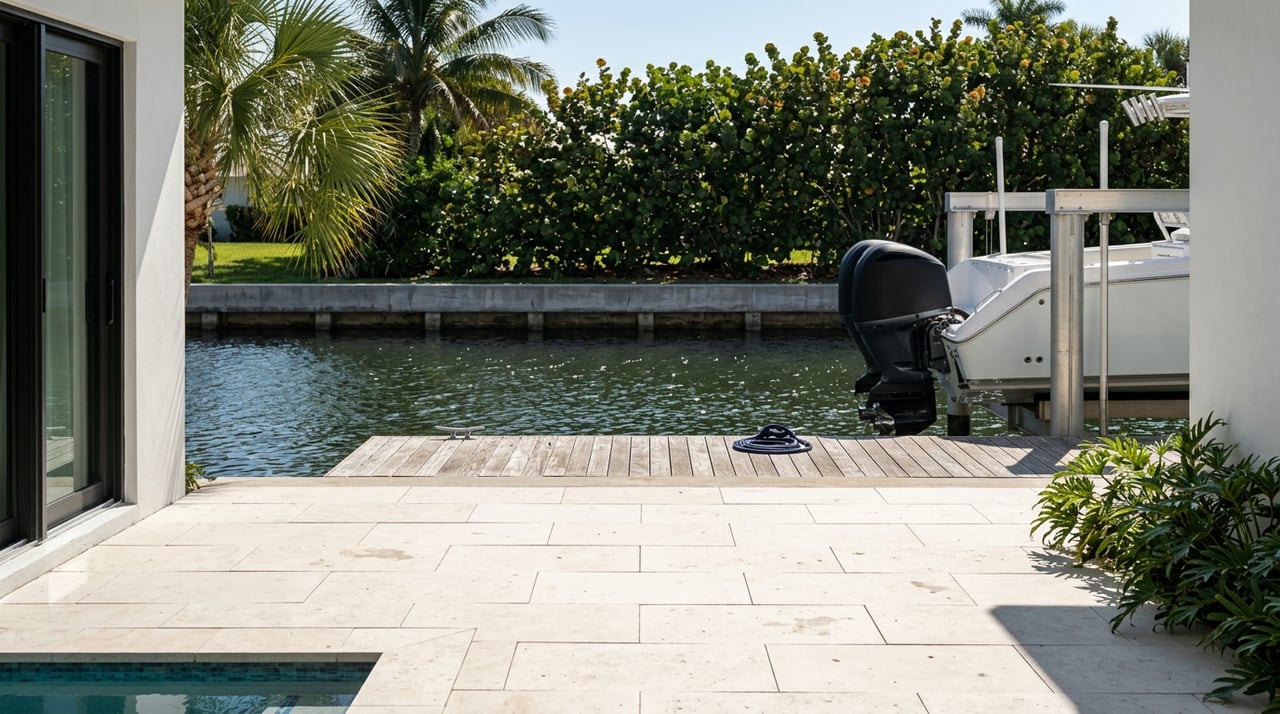
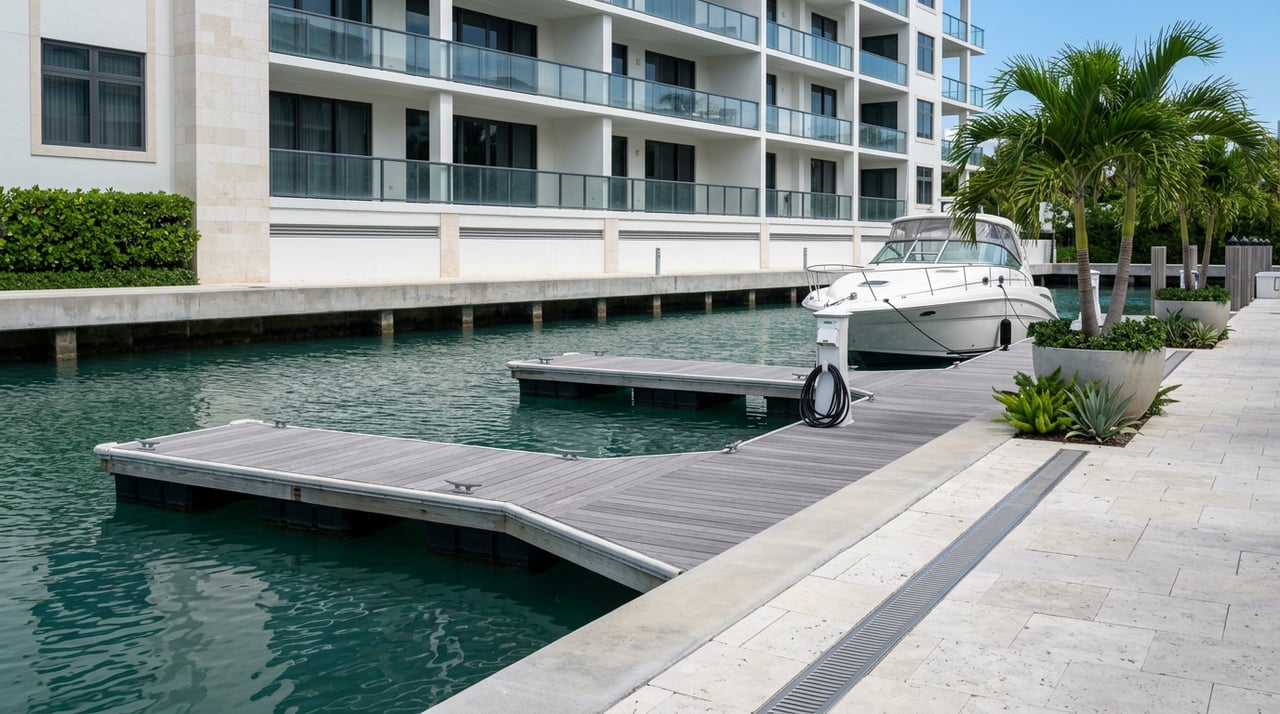
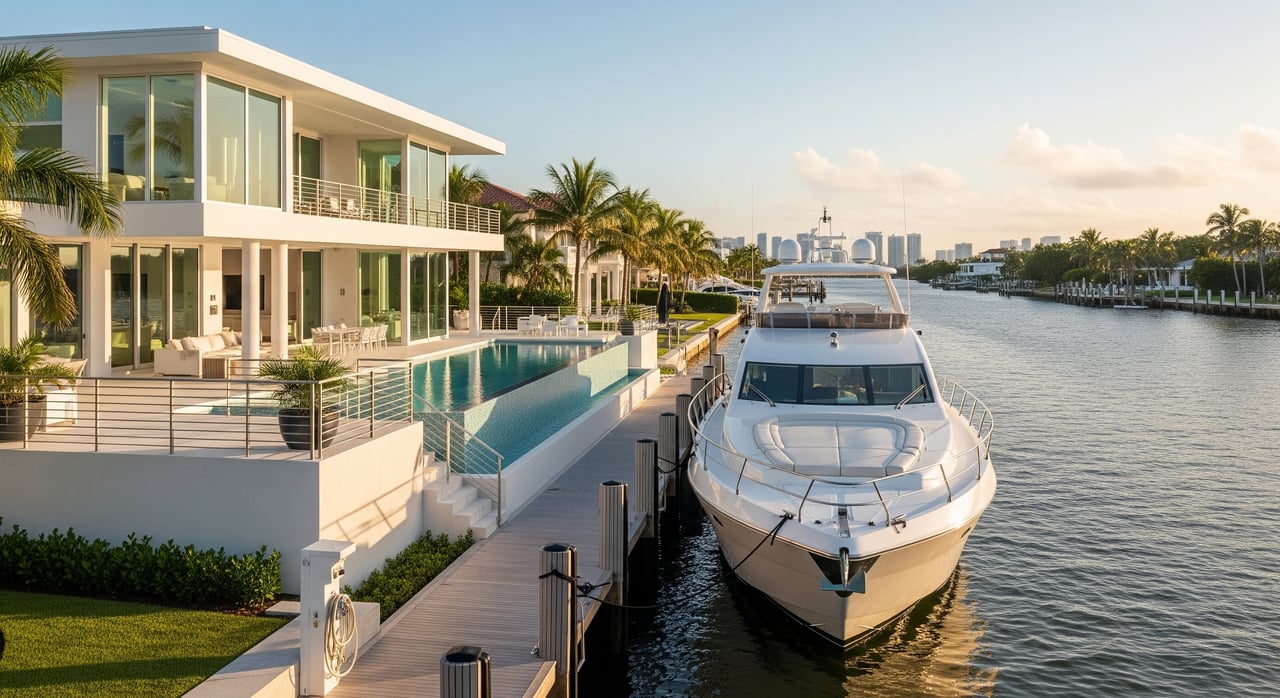
Pools, gyms, spas, clubrooms, private dining spaces, and marinas all carry operating costs. These elevate your experience, but they require staffing, utilities, and maintenance that show up in the monthly fee. The key is value. If you will use the amenities often, the higher fee may still make sense.
Florida now requires Structural Integrity Reserve Studies, or SIRS, for qualifying buildings that are three stories or more. A SIRS identifies key structural components and sets funding schedules for replacement. Associations must incorporate SIRS recommendations into their budgets and report through the state system, which increased monthly reserve contributions in many older buildings. Review the state’s SIRS and inspection guidance to understand how this shapes budgets. (DBPR SIRS and inspections guidance)
Following the Champlain Towers South collapse, Florida advanced milestone inspections and required SIRS for many buildings. News coverage connected these changes to higher budgets in 2024 and 2025 as associations moved to meet the new timelines. Expect older oceanfront buildings to show larger jumps as they catch up on reserve funding. (AP News on post‑Surfside changes)
Association insurance costs in Florida rose sharply in recent years. Industry reporting shows average condo association policy costs more than doubled since 2022, which pushed monthly assessments higher for many owners. When you review a budget, ask about recent premium changes and deductibles. (Insurance policy costs doubled reporting)
Fannie Mae and Freddie Mac tightened project reviews. Lenders typically expect meaningful reserve funding and clean engineering and maintenance records. If a building has insufficient reserves, significant deferred maintenance, or large special assessments, conventional financing can be limited. That affects buyer demand and resale value, so it pays to verify project eligibility early. (Fannie Mae project requirements)
In 2025, new legislation provided more flexibility. Under HB 913, certain associations can finance SIRS obligations through loans or lines of credit with specific approvals. That can reduce the need for only raising monthly dues, though it may add interest expense to future budgets. (Governor’s summary of HB 913 changes)
Redfin’s recent analysis placed Miami’s median monthly HOA or condo fee around the high hundreds of dollars per month, approximately 800 to 1,000 dollars at the metro level. Treat this as a baseline, not a luxury benchmark. Full‑service oceanfront buildings in Miami Beach can be materially higher, often in the multiple‑thousand‑dollar range depending on size, staffing, insurance, and reserve requirements. Always compare the fee to the amenities and the building’s reserve health, not just the number alone. (Redfin analysis of Florida condo fees)
Healthy reserves reduce the chance of large surprise assessments. Post‑Surfside rules require many buildings to align reserves with SIRS recommendations, which can mean higher monthly contributions now. Some associations may choose loans or lines of credit to meet targets under the 2025 changes, which spreads costs over time but may add interest expense to future budgets. Ask whether the current budget is SIRS‑based, and whether any assessments or loans are approved or planned. (DBPR SIRS and inspections guidance) (HB 913 summary)
If you plan to use conventional financing, confirm early whether the building meets lender project standards. Lenders review reserves, insurance, maintenance, special assessments, delinquencies, and litigation. A non‑warrantable status can limit loan options and affect pricing. Your lender can cross‑check documentation against current guidance. (Fannie Mae project requirements)
Start with the financials and reserves, then confirm insurance, inspections, and any planned projects. Florida guidance explains what budget and reserve disclosures should show. (DBPR financial information guide)
A higher fee can be rational if it buys strong reserves, excellent insurance, and well‑maintained amenities you will use. A lower fee can be risky if it hides deferred maintenance. Align the number with your lifestyle, your holding period, and your exit plan.
Use this as a quick reference while you review documents and tour buildings:
Ready to compare specific Miami Beach buildings or align property and yacht lifestyle in one plan? Connect with Patrick Barnicle for a discreet, data‑driven consultation and a streamlined path from offer to closing.
Stay up to date on the latest real estate trends.



Get assistance in determining current property value, crafting a competitive offer, writing and negotiating a contract, and much more. Contact Patrick today.