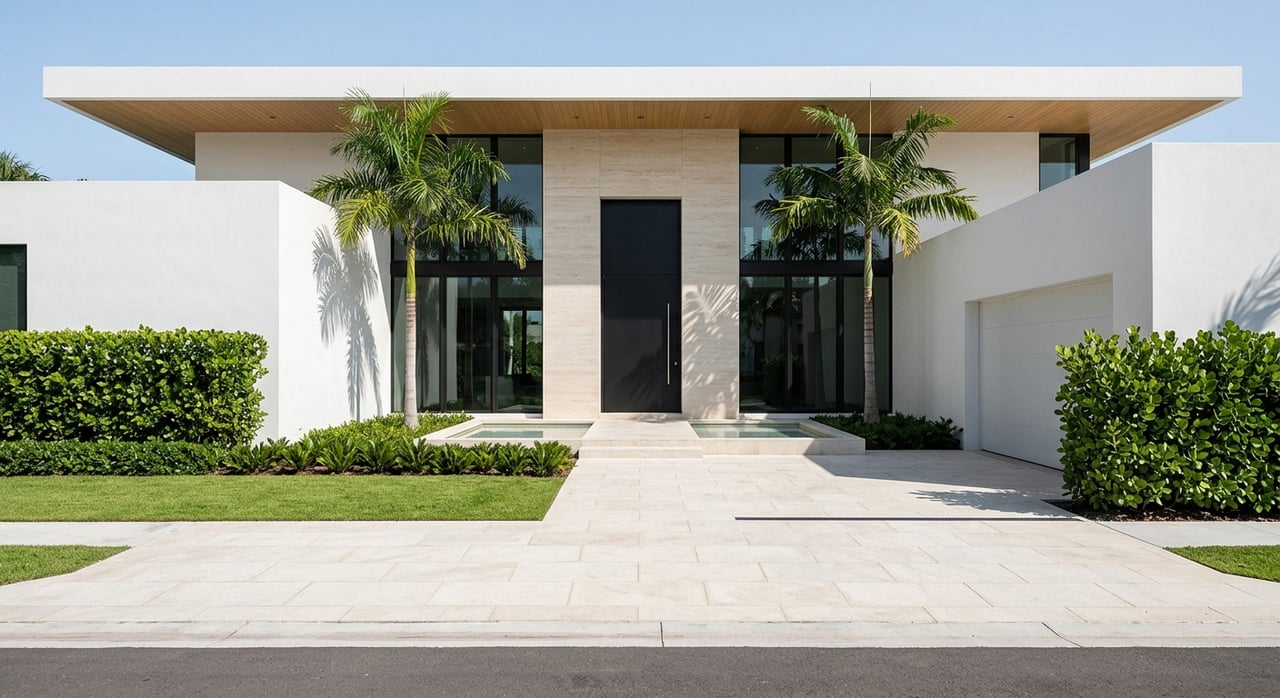
Why Miami Waterfront Investors Need An Integrated Advisor
March 26, 2026
March 26, 2026
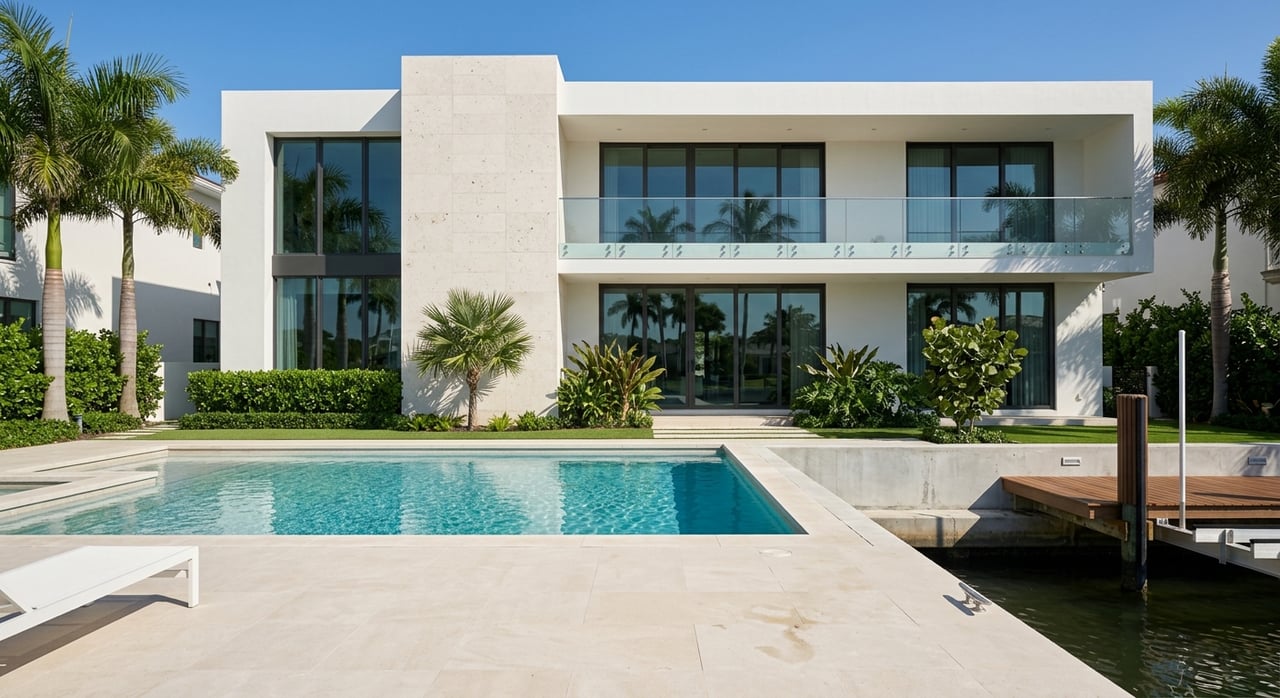
You can buy a stunning waterfront home or condo in Miami. The challenge is getting from offer to a clean, on-time closing without losing weeks to permits, insurance quotes, slip availability, or tax surprises. If you are moving a yacht and planning dock or seawall work, the moving parts multiply fast.
This guide shows why a single integrated advisor is the smartest way to control risk, time, and capital in Miami and the Miami–Miami Beach–Kendall market. You will learn what makes Miami waterfront different, who must be at the table, and the critical checkpoints your lead should run in parallel. Let’s dive in.
Miami waterfront closings combine three complex domains that overlap at the worst possible moments: marine permitting and infrastructure, Florida title and tax mechanics, and coastal insurance and building requirements. When these move on separate tracks, miscommunication and delays are common. A single coordinator keeps everything in sync.
Climate planning is not abstract here. Regional leaders publish unified sea level rise projections that inform future elevations, seawall design, and long-term insurability. You want those realities evaluated before you wire a deposit. Review the latest regional guidance from the Southeast Florida Regional Climate Change Compact to understand why elevations and seawalls matter over the hold period. Read the sea level projection.
Dock, seawall, boatlift, or dredging plans in Miami-Dade often need multiple approvals. Projects can trigger federal review by the U.S. Army Corps of Engineers, state Environmental Resource Permits, and separate authorization to use sovereign submerged lands. Missing one step can stall a project or create enforcement exposure. See how regional permits and notices are structured in the Jacksonville District’s guidance. View the USACE public notice.
At the county level, Miami-Dade has updated processes that can speed certain seawall and bulkhead repairs through an administrative short-form path, while larger replacements still face longer reviews. An integrated advisor should know what qualifies for expedited handling, what drawings are required, and how to time inspections. Review the Miami-Dade seawall permitting update.
If your plan extends beyond your shoreline, remember that upland ownership does not automatically grant rights to submerged lands. Many private dock extensions require state proprietary authorization. A skilled coordinator brings in the right permitting specialist and engineer early. See an example of Florida DEP proprietary authorization requirements.
Florida closings often run through title companies that handle escrow, title searches, commitments, settlement statements, and policy issuance. For waterfront property, your title review needs to surface recorded riparian rights, any dock or seawall covenants, and easements to mean high water. A thorough commitment and survey review protect your use and your future plans. For context on how title and settlement professionals coordinate these steps, see industry guidance from ALTA. Learn how title and settlement services work.
Closing costs in Florida include documentary stamp tax on deeds and mortgages, plus a separate nonrecurring intangible tax on mortgages. Miami-Dade’s base deed rate differs from most counties and an additional county surtax can apply, though transfers of a single-family dwelling are not subject to the surtax. On high price points, these line items are material, so your advisor should estimate them early and confirm who pays what in the contract. Review Florida’s documentary stamp tax.
If a structure that secures your loan sits in a FEMA-mapped Special Flood Hazard Area and you finance with a federally regulated lender, federal rules require flood insurance. Carriers will also evaluate wind and property coverage capacity in coastal zones. Early quotes and an elevation certificate can make or break both insurability and lender approval. Read FEMA’s mandatory purchase overview.
For planned renovations or new waterfront construction, Miami-Dade lies inside Florida’s High Velocity Hurricane Zone. Exterior products must meet the Florida Building Code HVHZ requirements and often carry Miami-Dade Notices of Acceptance. Your integrated advisor should align your architect and builder with compliant specs from the start. See Miami-Dade’s product approval and NOA info.
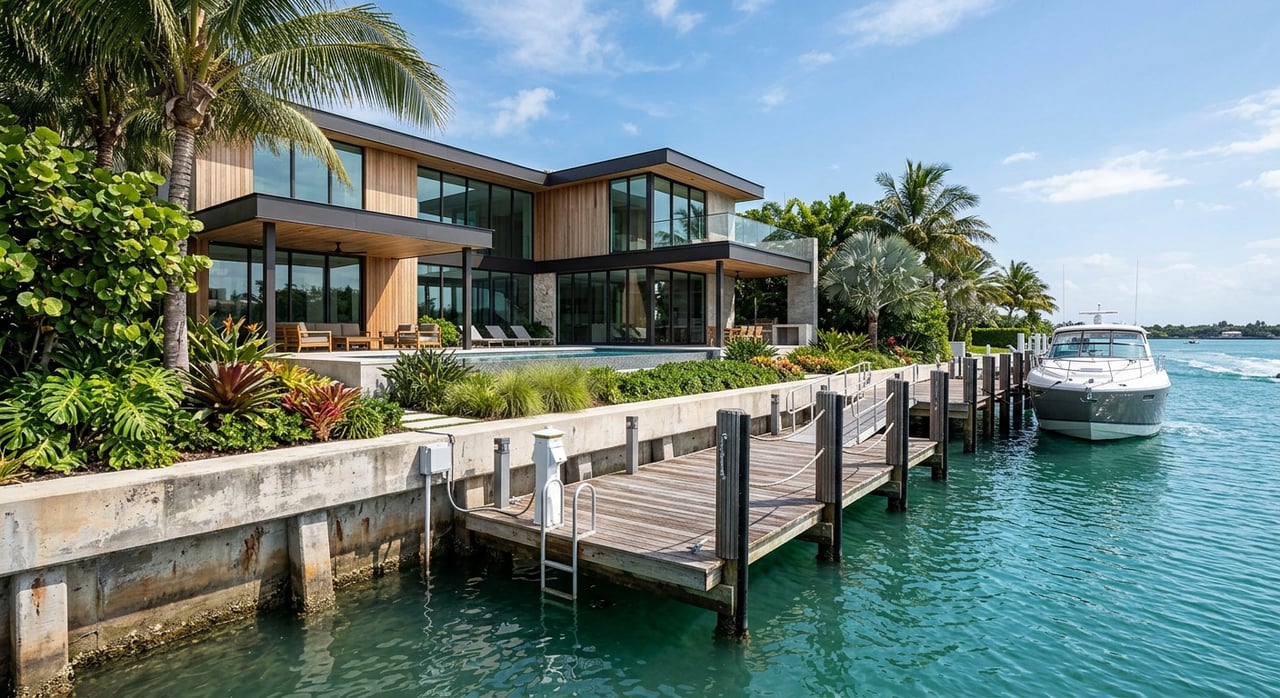
Your real estate timeline must fit your yacht plan. Marinas offer different slip types, from transient and seasonal to long-term leases or condo-style berths. Availability shifts with maintenance cycles and capital projects. For example, Dinner Key Marina has historically been one of the area’s largest wet-slip facilities, and repair schedules can affect capacity. Your lead should confirm berth terms, transfer rules, and temporary moorage well before closing. Read local reporting on Dinner Key Marina’s repair timeline.
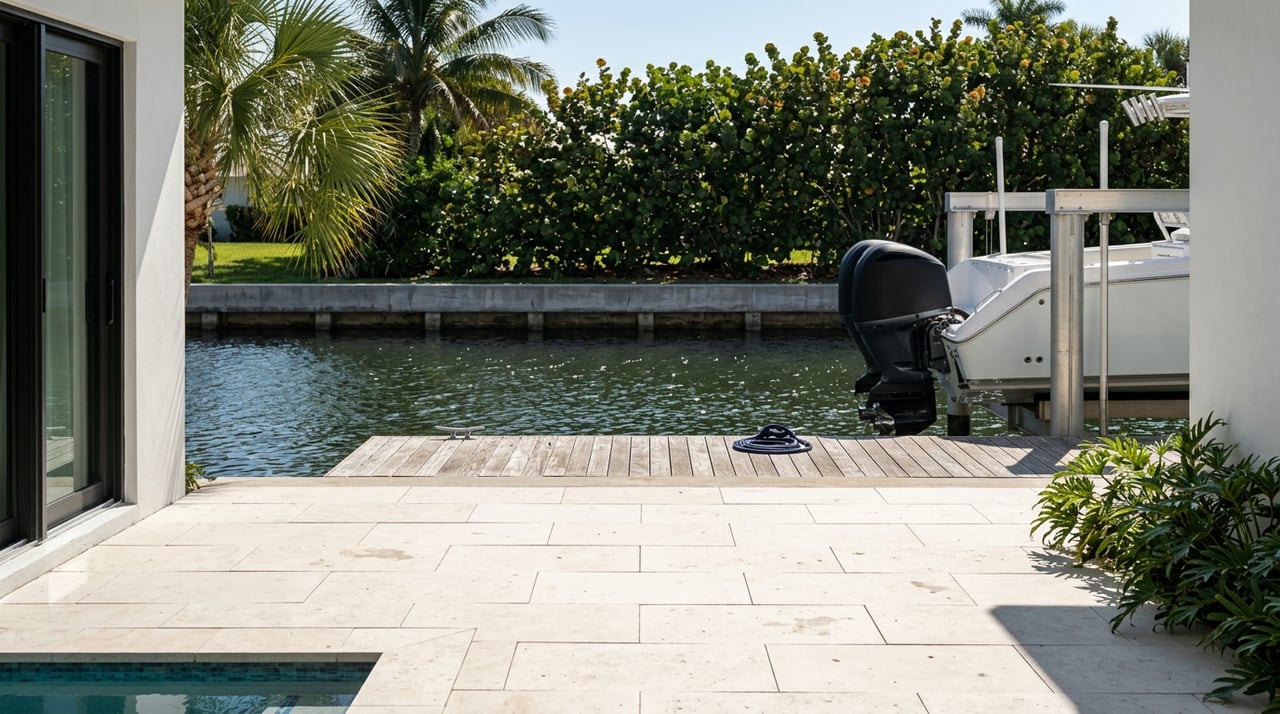
If you plan to modify a private dock or add a lift, coordinate a marine surveyor, structural engineer, and permitting specialist in parallel. Where a project touches sovereign submerged lands, expect added state review time. Aligning these tracks early preserves your post-closing schedule.
A strong integrated advisor serves as your single point of contact and project manager across real estate, yacht, and title work. Here is what that looks like in practice:
Use this quick checklist the moment you go under contract in Miami or the Miami–Miami Beach–Kendall area. Your integrated advisor should drive each step and set expectations for timing.
If you plan to hold the asset in an entity, confirm current beneficial ownership reporting rules and deadlines. FinCEN has evolving guidance on Beneficial Ownership Information reporting under the Corporate Transparency Act. Your advisor should loop in counsel so you meet filing requirements. Review FinCEN’s BOI guidance.
Ask targeted questions and insist on examples.
When one accountable advisor runs title, permitting, insurance, and marina logistics together, your closing is calmer and more predictable. You avoid last-minute tax or policy surprises. You also preserve your post-closing plan, from moving the yacht into a slip to scheduling seawall work during the right weather window.
If you want that level of control in Miami and the Miami–Miami Beach–Kendall corridor, connect with a lead who manages property, vessel, and title in one place. To discuss your goals and timeline, reach out to Patrick Barnicle. Schedule a free consultation.
Stay up to date on the latest real estate trends.

Get assistance in determining current property value, crafting a competitive offer, writing and negotiating a contract, and much more. Contact Patrick today.