Choosing Between Palm Beach Oceanfront Condos and Estates
February 12, 2026
February 12, 2026
Condo convenience or estate privacy? When you shop Palm Beach oceanfront, the choice shapes your daily life, budget, and long‑term value. You want sunshine, ease, and maybe dockage for a yacht, but also clarity on maintenance, insurance, and resale. In this guide, you will compare oceanfront condos and private estates across lifestyle, costs, privacy and security, governance, financing, climate risk, and a practical due diligence checklist. Let’s dive in.
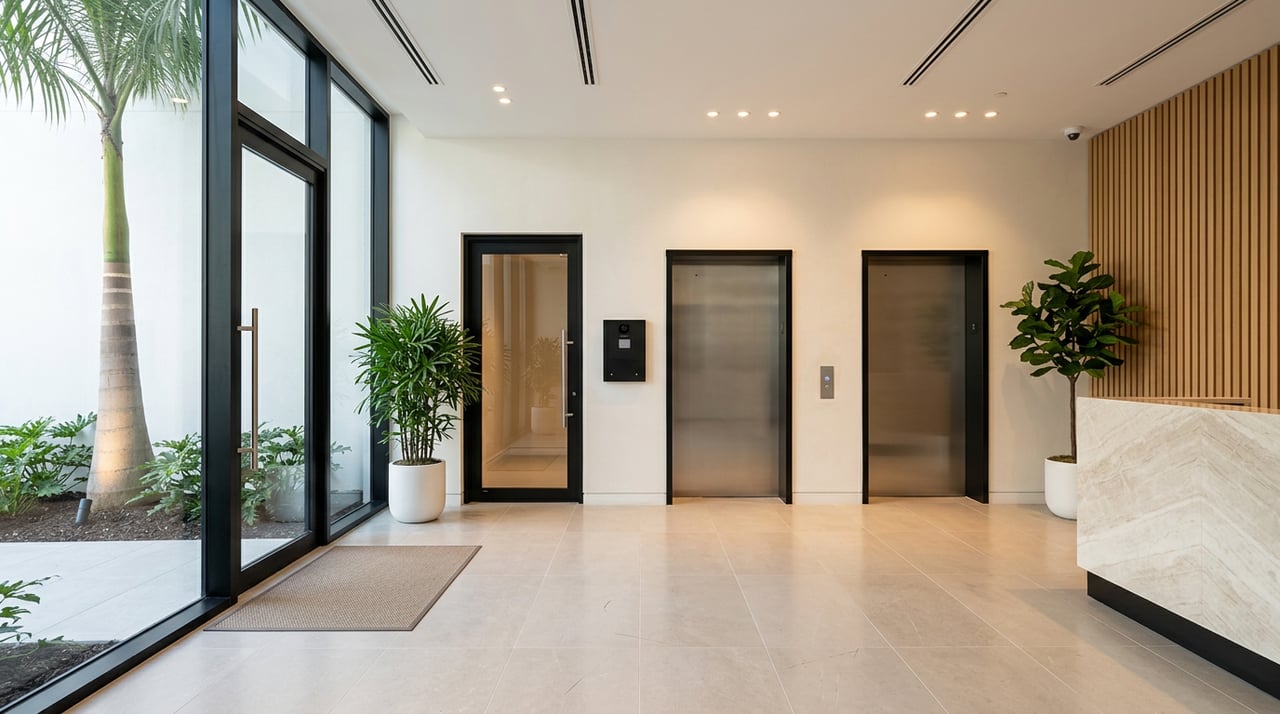
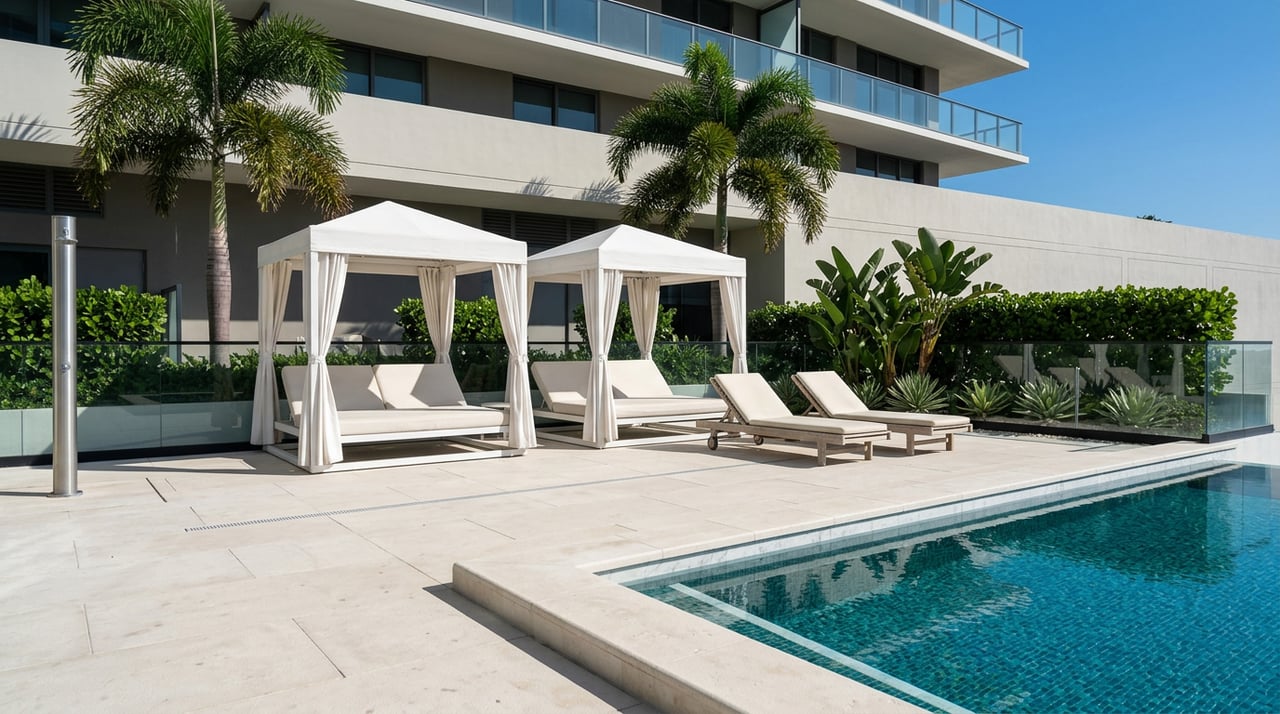
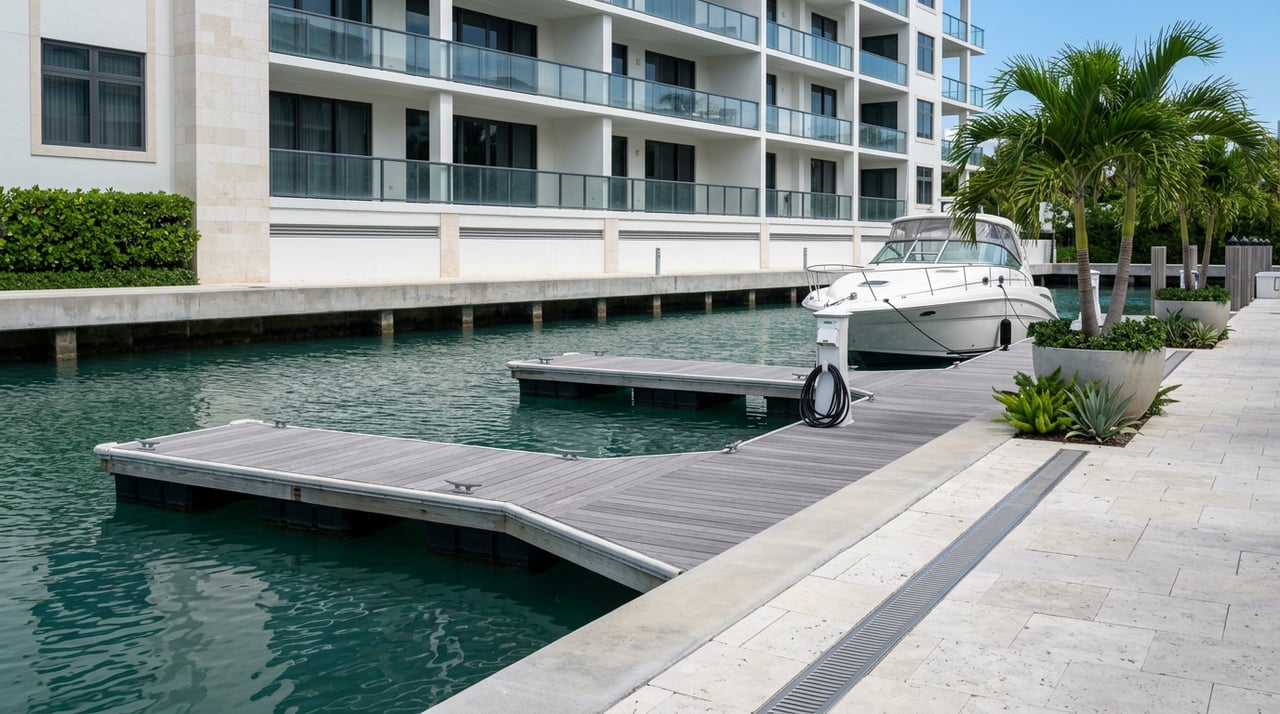
You get on‑site services like doorman, concierge, valet, and secure entry. Shared amenities often include resort‑style pools, fitness and spa, social rooms, and private beach access or clubs. Buildings on the barrier island put you close to Worth Avenue, dining, and cultural venues, with an easy, social environment. If you want low‑touch living and quick in‑and‑out stays, condos shine.
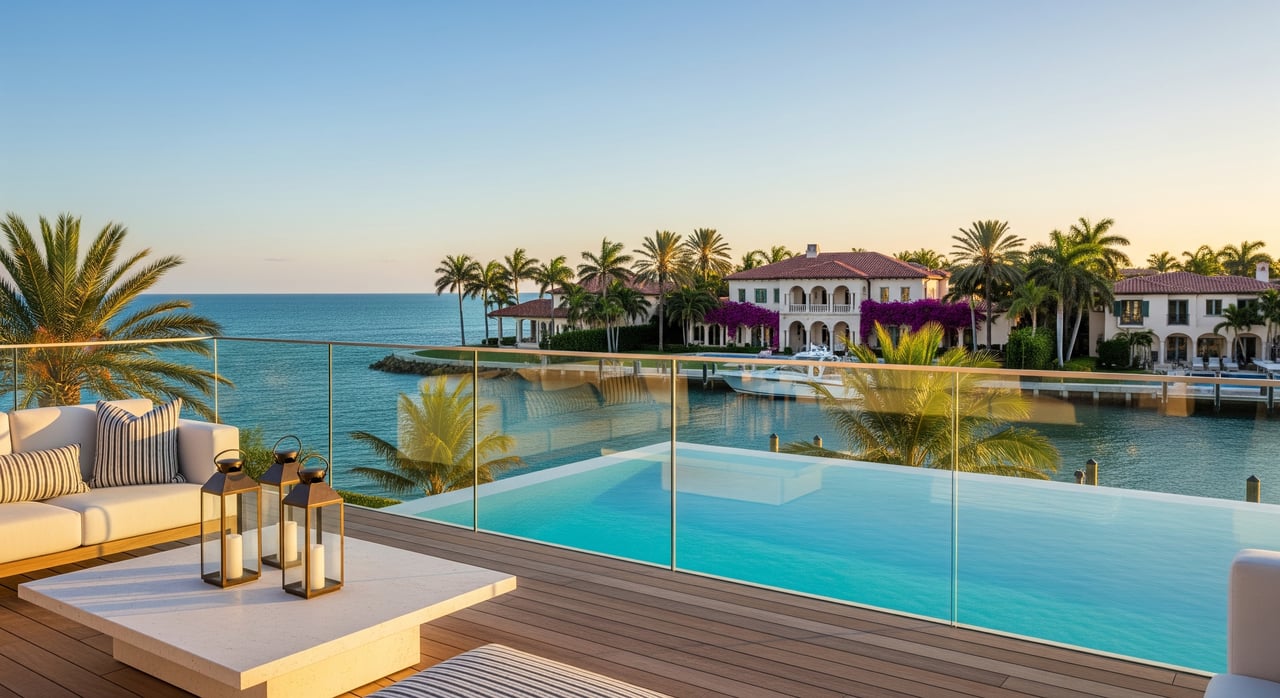
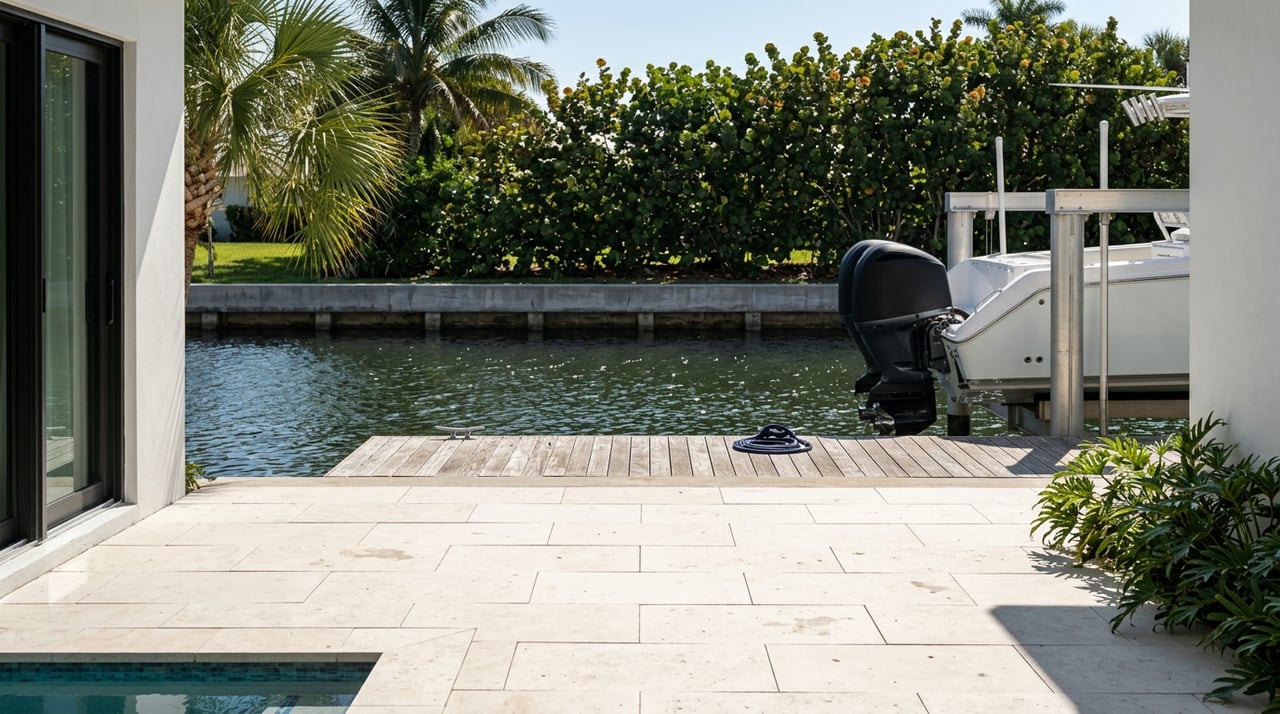
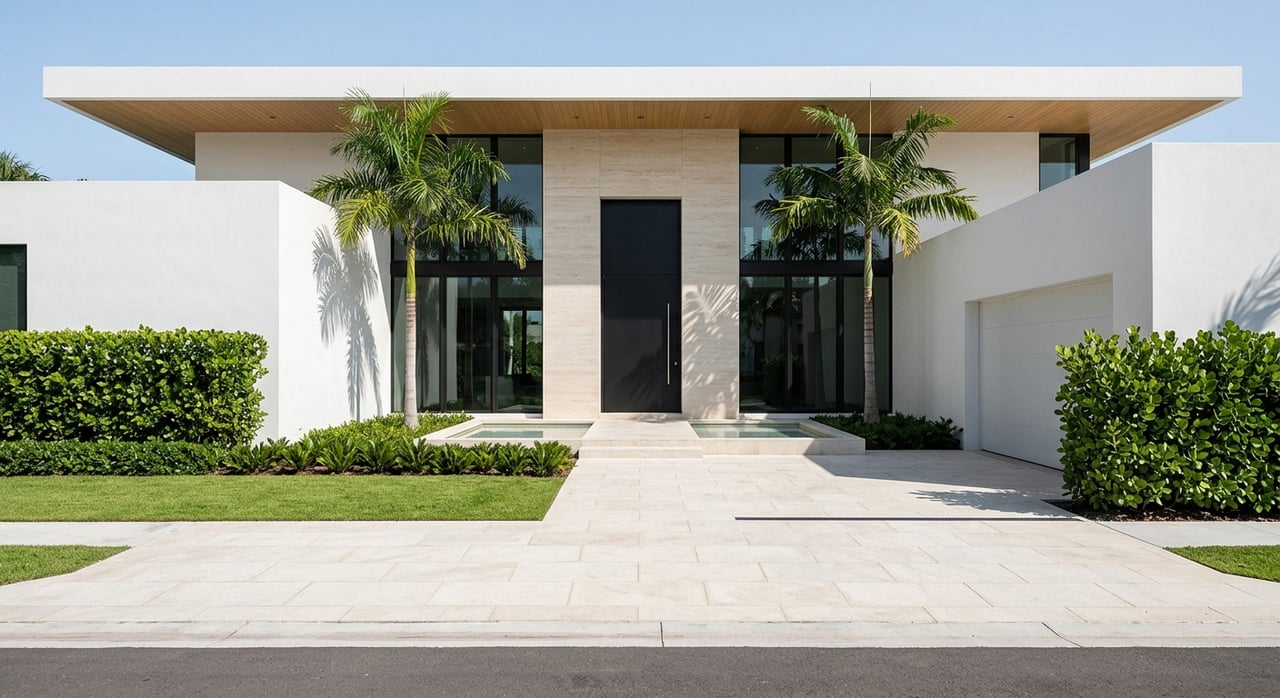
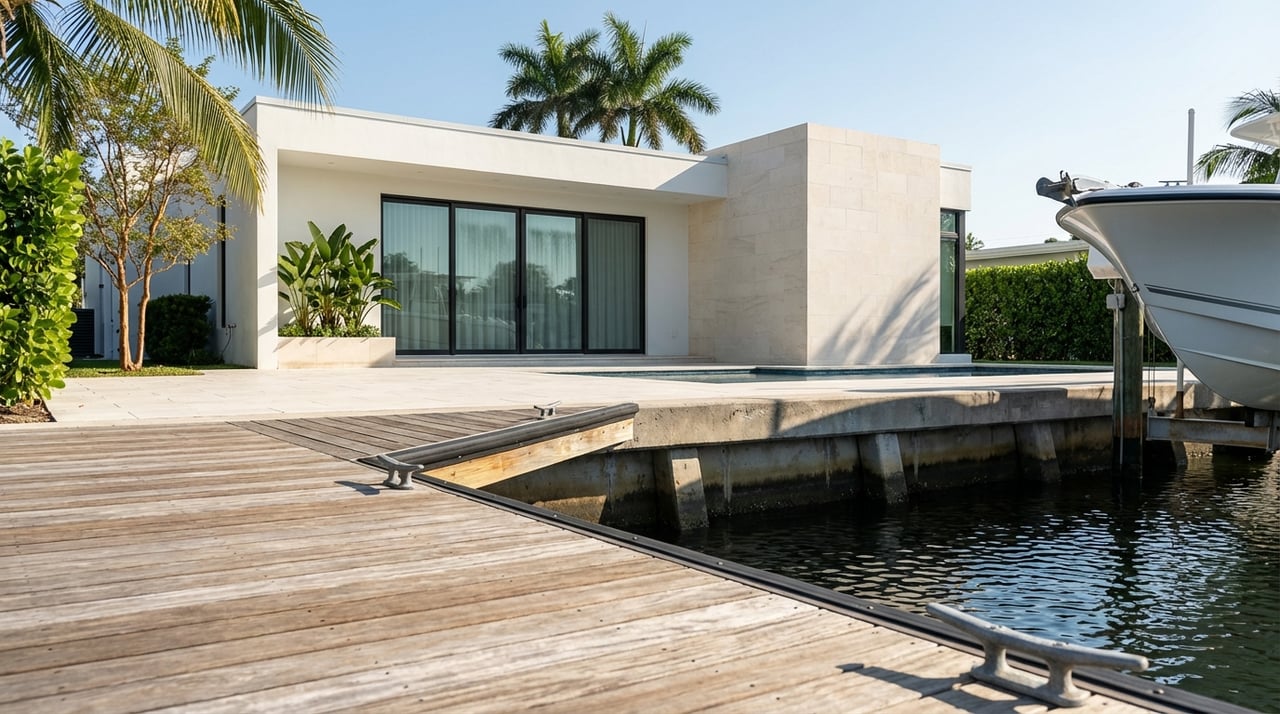
You control your environment with large setbacks, lush landscaping, and private pools. Many estates offer custom architecture, guest spaces, and, on intracoastal sites, private docks and deepwater access. You can modify and expand within local permitting and zoning. If you value privacy, land, and the ability to tailor a property, estates excel.
Building systems, exterior repairs, landscaping for shared grounds, and master insurance for common elements are typically funded through association fees. Your focus is your interior and upgrades, though some buildings include utilities. Fees vary widely by building, amenity level, and ocean exposure. Review reserves and any history of special assessments because major projects are shared owner obligations.
You carry full responsibility for landscaping, pool and spa, exterior painting, roof, driveway, and security systems. On the water, plan for seawall and dock maintenance, permitting, and hurricane readiness for generators and shutters. Annual operating budgets vary by property size and staffing. Build realistic estimates during due diligence to avoid surprises.
Condos offer controlled entries, staffed desks, and monitored common areas, though balconies and proximity to neighbors reduce physical privacy. Estates can offer gated driveways, strategic plantings, and larger setbacks for increased separation. With an estate, you also manage your own perimeter and systems.
Condominiums are governed by association rules under Florida Condominium Law, Chapter 718. Expect standards for renovations, rentals, and use of amenities. Private estates may sit outside associations or fall under HOA covenants governed by Chapter 720. The Town of Palm Beach and neighboring cities also enforce zoning, setbacks, and, in some cases, historic controls.
Flood, wind, and storm surge drive coastal insurance costs in Palm Beach County. Many beachfront properties fall within high FEMA flood zones, which can trigger lender requirements and higher premiums. You can confirm a property’s designation with the FEMA Flood Map Service Center and explore longer‑term scenarios using the NOAA Sea Level Rise Viewer.
Lenders and agency investors apply project standards that can affect financing. Building litigation, low reserves, or high investor concentration can limit options. Review project eligibility guidance from Fannie Mae and HUD/FHA if you plan to finance. At the top of the market, many buyers pay cash, but financing still influences future resale.
Single‑family financing is more straightforward. Lenders will focus on condition, flood risk, wind mitigation, and insurability. Estates can have fewer comparable sales, so pricing and time to sell vary more with location, lot attributes, and recent capital improvements.
Florida has no state income tax, which can matter if you split time across states. If you establish a qualifying primary residence, explore potential property tax savings through the state’s homestead exemption guidance. Second homes typically do not qualify.
Start with how you live. If you want resort‑level services and lock‑and‑leave ease near Worth Avenue and island amenities, focus on top‑tier oceanfront buildings. If you want a private environment with dockage, gardens, and the freedom to customize, prioritize estates on the ocean or intracoastal. Either way, assemble the right team early, including a local broker, coastal property attorney, engineer, lender, and insurance advisor.
If you want a single point of accountability for property, yacht, and closing details across Palm Beach and South Florida, connect with Patrick Barnicle. You will get integrated representation that aligns waterfront real estate, yacht brokerage, and title coordination so you can move fast and protect your capital.
Stay up to date on the latest real estate trends.
Get assistance in determining current property value, crafting a competitive offer, writing and negotiating a contract, and much more. Contact Patrick today.