Hillsboro Beach Oceanfront Listing Prep for a Smoother Launch
April 23, 2026
April 23, 2026
Selling an ultra-luxury oceanfront home in Hillsboro Beach takes more than great photos and a polished listing description. You are bringing a rare coastal asset to market in a town with a tight residential footprint, seasonal population shifts, and specific rules that can affect upgrades, photography, disclosures, and showings. If you want a smoother launch and fewer surprises during negotiations, preparation needs to start well before the listing goes live. Let’s dive in.
Hillsboro Beach is not a typical coastal market. According to the Town of Hillsboro Beach Community Info, the town is about 3 miles long, about 900 feet wide at its widest point, and sits between the Intracoastal Waterway and the Atlantic Ocean. It is almost entirely residential, with roughly 50 single-family residences and a population of about 2,000 that rises during winter months.
That setting shapes how you should prepare your listing. In a small, highly visible oceanfront community, a more private and tightly managed launch often makes sense. Your marketing, access plan, and pre-listing improvements should all reflect the realities of a narrow barrier island environment.
Before you invest in cosmetic work, confirm the home is ready from a permitting and code standpoint. The Town of Hillsboro Beach permit and regulation guidance states that new construction, additions, renovations, and alterations require a construction permit, and some projects may also need site plan approval. The town also notes that approvals must comply with minimum flood-zone finished-floor elevation requirements.
This matters because many updates sellers make before listing are not purely aesthetic. The Building Department states that new window and door installations must meet town requirements, and new lighting must comply with local ordinances and turtle-protection standards. If you are replacing glass, modifying exterior lighting, or making terrace and pool-area improvements, those decisions may affect more than the home’s look.
For larger or more complex projects, the town says a pre-construction meeting may help address inspection scheduling, traffic management, and site security. The same department also provides online permit and inspection tools, which can be useful when you are gathering documentation ahead of listing.
Flood risk is a central part of preparing any oceanfront property for market. Broward County’s current flood-zone maps, effective July 31, 2024, are used by insurers, and the county notes that zones such as AE and VE are categories where mandatory flood-insurance purchase requirements apply. The county also says base flood elevations must be used for new construction and substantial improvements.
The Town of Hillsboro Beach flood protection page reminds owners that homeowners and windstorm insurance do not cover flooding. It also notes that new flood-insurance policies generally carry a 30-day waiting period. Even if a buyer is sophisticated, unanswered flood questions can slow momentum, so it helps to have your insurance and flood-zone information organized before showings begin.
In luxury waterfront sales, confidence often comes from clean due diligence. Florida law requires a flood disclosure to be provided to a purchaser of residential real property at or before contract execution. For homes seaward of the coastal construction control line, the seller must also provide the coastal disclosure, and at closing must provide an affidavit or survey showing the line unless waived, as outlined in Florida Statute 689.302.
That statute specifically references coastal erosion, rigid coastal protection structures, beach nourishment, and marine turtles. For a Hillsboro Beach oceanfront property, those are not side notes. They are part of the due-diligence story that serious buyers and their advisors will review closely.
Florida case law also requires sellers to disclose known latent material defects that are not readily observable and not known to the buyer, based on Johnson v. Davis. A strong pre-listing inspection can help surface issues early, giving you time to decide whether to repair, disclose, or price with those facts in mind.
If your home was built before 1978, federal law also requires disclosure of known lead-based paint hazards, delivery of the EPA pamphlet, and a 10-day opportunity for a buyer to inspect or assess risk under the EPA lead-based paint disclosure rule. That is another item best handled before the property hits the market.
Once compliance and disclosures are in order, you can turn to presentation. According to NAR’s 2025 staging report, staging can help a home sell faster and for more money, and 83% of buyers’ agents said staging made it easier for buyers to visualize the property. The report also notes that staging can increase sales price by up to 10% in some cases.
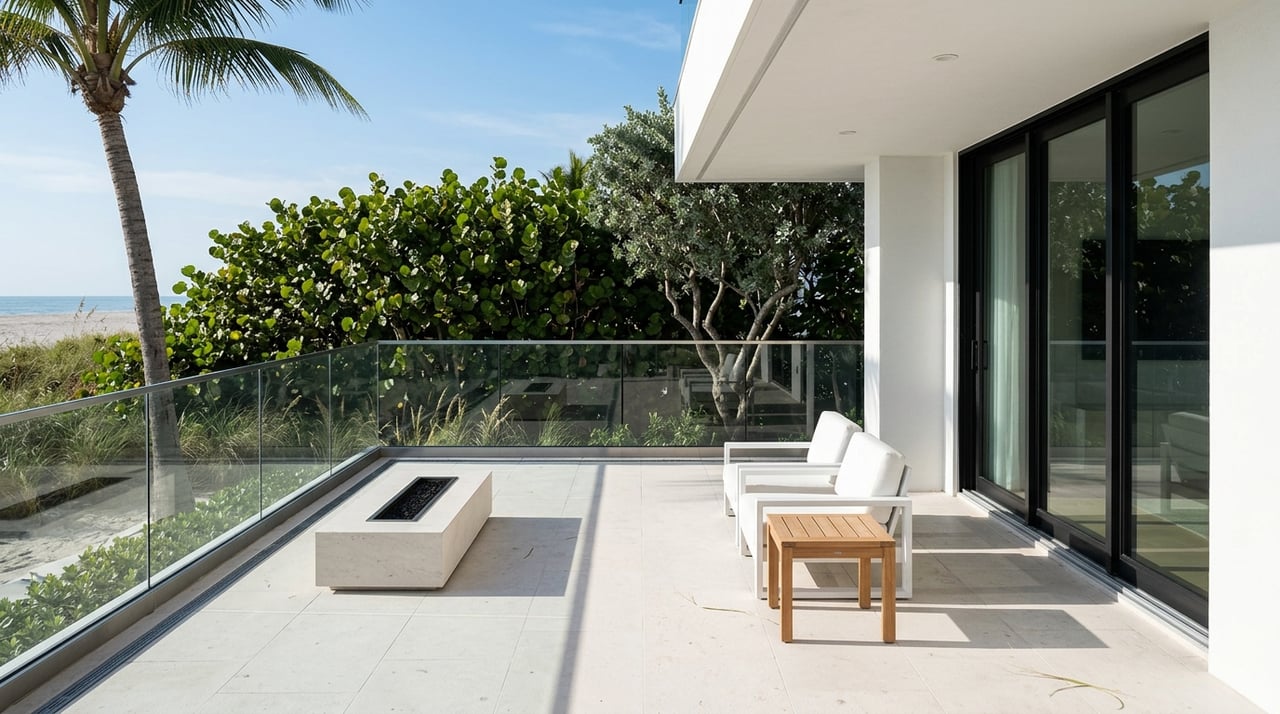
For an ultra-luxury oceanfront home, your highest-impact areas are often the spaces that frame the water. That usually means terraces, balconies, pool and deck areas, window walls, and major view corridors. If the architecture and setting are the headline, every visual distraction that competes with that view should be addressed before photography.
NAR also recommends practical prep work when full staging is not necessary, including decluttering, deep cleaning, improving curb appeal, completing minor repairs, depersonalizing, touching up paint, landscaping, re-grouting tile, and removing pets during showings. In a luxury setting, these basics still matter because buyers tend to notice deferred maintenance quickly.
Most buyers begin online, and luxury buyers are no exception. NAR’s online listing guidance recommends professional photos, video, virtual tours, and floorplans. It also suggests showing all key rooms, close-ups of standout features, light-filled shots, and evening exterior images when appropriate.
For a Hillsboro Beach oceanfront listing, your media plan should do more than document square footage. It should tell a complete waterfront lifestyle story through architecture, outdoor living, light, privacy, and the relationship between the home and the shoreline. The strongest listings usually feel curated, not crowded.
That said, Hillsboro Beach has an important seasonal wrinkle. The town’s sea turtle protection guidance says nesting season runs from March 1 through October 31, and no direct beach illumination is allowed from sunset to sunrise during nesting season. Lighting visible from the beach, including balcony, pool, and interior light, is regulated, and nighttime lighting compliance inspections may be performed.
If you want twilight imagery or evening showings, those details should be coordinated carefully. In this market, visual strategy and compliance strategy need to work together.
Ultra-luxury sellers usually care about two things at once: exposure and control. You want the right buyers to see the home, but you do not want casual traffic, loose access, or unnecessary visibility into personal assets and routines.
NAR’s consumer guide to home-selling privacy and safety recommends stowing personal items and photos, locking up jewelry, sensitive documents, firearms, and prescription medications, discouraging unapproved photography, and using an electronic lockbox that records who enters and when. For a waterfront estate, this is a practical baseline, not an extra precaution.
NAR’s Pathways to Professionalism also advises scheduling appointments in advance, announcing entry in occupied homes, keeping the group together, and getting permission before photographing, videographing, or streaming interiors or exteriors. It further notes that anyone accessing the property should be told about pets, security systems, and recording equipment.
Given Hillsboro Beach’s small, almost entirely residential setting, an appointment-only, agent-accompanied showing strategy is often a better fit than broad public access. It supports privacy, limits disruption, and helps maintain a controlled experience for both seller and buyer.
One of the best ways to protect leverage is to reduce friction once an offer arrives. Before the listing goes live, it helps to assemble permit records, inspection reports, warranty information, flood and coastal disclosures, and documentation for any recent coastal, window, door, or lighting-related work. The town’s Building Department resources can help you gather records and verify project history.
If the property is a condominium, Florida law requires additional association materials, including current governing documents, rules, annual financial information, and, when applicable, milestone-inspection and structural-integrity reserve-study materials under Chapter 718. Buyers in this segment often move quickly, but they still expect complete documentation.
When you have your paperwork ready at the start, you can answer questions faster, reduce back-and-forth, and keep a serious buyer focused on the opportunity rather than the unknowns.
The best Hillsboro Beach launches usually come from a simple mindset shift. You are not just selling a beautiful home. You are positioning a coastal asset that needs to be code-compliant, disclosure-ready, photo-ready, and privacy-managed before it ever reaches the market.
That level of preparation can make the entire process smoother, from pricing and marketing to negotiations and closing. If you want a disciplined, discreet plan for bringing your oceanfront property to market, Patrick Barnicle offers high-touch guidance for complex waterfront listings across South Florida.
Stay up to date on the latest real estate trends.


Get assistance in determining current property value, crafting a competitive offer, writing and negotiating a contract, and much more. Contact Patrick today.