Coordinating Your Fort Lauderdale Home And Yacht Sale
February 5, 2026
February 5, 2026
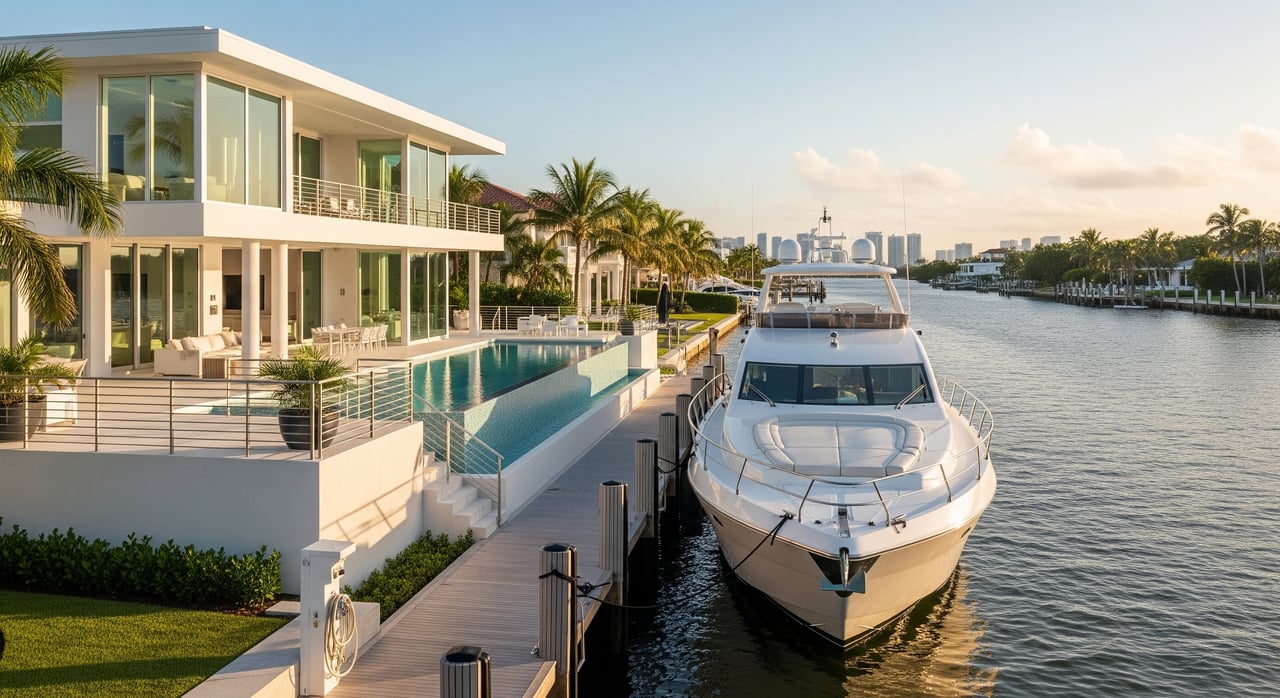
Selling a waterfront home and a yacht at the same time can feel like piloting two vessels through a busy inlet. You want clean timing, minimal stress, and strong results on both. With the right plan, you can align marketing, inspections, financing, and closings so each move supports the other.
This guide gives you a clear timeline, practical checklists, and proven strategies tailored to Fort Lauderdale and Broward County. You will learn how to position both assets, avoid common pitfalls, and build a team that keeps everything moving. Let’s dive in.
Fort Lauderdale is a global yachting hub with major marinas, service yards, and one of the largest annual marine events, the Fort Lauderdale International Boat Show. That concentration creates a deep pool of yacht buyers, brokers, and support services right in your backyard.
Waterfront home demand runs high among domestic and international buyers. Values and buyer interest are sensitive to direct water access, dock depth, seawall condition, flood zone and elevation, and proximity to the Intracoastal Waterway and Atlantic access. Seasonality matters. Listing activity typically rises in fall and winter, when seasonal residents return and the boat show draws qualified buyers.
On the yacht side, buyers are active year-round, with listing exposure often tied to seasonal cycles and yard availability for surveys and haul-outs. Many luxury home buyers also own or want yachts, but not all yacht buyers need a waterfront residence. Coordinated marketing can capture cross-interest buyers, but avoid making one sale strictly contingent on the other unless it serves your goals.
Use a single accountable advisor to drive the combined timeline, communications, and status updates. You can work with a dual-competency advisor who handles both real estate and yachts, or a coordinated team of specialists led by a named point of contact. The key is one owner of the schedule, documents, and milestones so nothing falls through the cracks.
As a baseline, plan for 60 to 90 days when coordinating both a home and a yacht. A cash yacht sale can close in 2 to 6 weeks depending on the survey and haul-out schedule. A financed yacht can take 4 to 10 weeks with underwriting. A home sale with a standard mortgage often needs 30 to 60 days. Align targets early and build buffer for survey findings or permit reviews.
Get your paperwork in order before you list. It reduces renegotiations and keeps closings on track.
For your home:
For your yacht:
Reserve haul-out slots in advance if a pre-listing survey or bottom work is needed. Yard calendars can fill quickly.
High-net-worth buyers want specifics. Highlight slip length and beam, depth at mean low water, fixed bridge clearances to the ocean, and travel time to the inlet. If a slip or dock can be assigned or transferred, spell out those terms early to avoid surprises.
Use professional photography for both the residence and vessel. Add aerials that show dockage and waterways, plus virtual tours. For the yacht, include sea trial footage and detailed equipment documentation. For privacy, blend public marketing with discrete channels such as private networks and qualified buyer lists.
Coordinate listing dates around peak boating season and major events like the Fort Lauderdale International Boat Show. If you intend to leverage the show, plan months ahead to secure prime visibility and ensure your yacht is survey-ready.
Home inspections typically occur within 7 to 14 days after an accepted offer. Line up contractors for quick estimates if repair requests arise.
Marine surveys and sea trials often require haul-outs and specialized inspections. These steps can take several days to several weeks depending on yard availability and survey scope. If the same buyer is evaluating both the home and the yacht, create synchronized access windows to reduce travel and decision fatigue.
You can sell one asset first and close on the other later. This approach is simpler from a legal standpoint, but closing dates can drift. Plan interim berthing or a short leaseback to cover any gap.
Buyers can make one purchase contingent on completing the other. This narrows your audience and can lengthen time on market, but it may secure the right buyer if timing is critical for both assets.
Short-term bridge loans can decouple closing dates. You will need lender preapproval and should expect higher financing costs. For many sellers, the speed and flexibility outweigh the expense.
Your home closing will run through a title company or attorney with standard deed recording, documentary stamp tax, and settlement costs. Property taxes are typically prorated at closing. Confirm any homestead status changes if the property is your primary residence.
Yacht transactions usually close through a marine escrow agent or maritime attorney. You will need clear title or federal documentation, lien releases, proof of insurance, and completion of any agreed repairs. Many insurers require a current marine survey before binding coverage for the new owner.
If the home conveys with private dock rights or an on-property slip, verify transfer requirements. Some marinas require consent or separate assignment agreements. Confirm any recorded easements and permit status ahead of listing to avoid last-minute delays.
If one closing precedes the other, arrange temporary berthing at a marina, transient slip, or yard storage. Confirm insurance coverage during any transition and coordinate move dates well before closing week.
Real estate closings in Florida include documentary stamp tax on deeds, county recording fees, and settlement costs. Broward County property taxes are prorated at closing. For yachts, Florida sales or use tax generally applies when a vessel is purchased and brought into the state or registered in Florida. Some vessels may be subject to local ad valorem assessment if domiciled in Florida.
Capital gains rules apply to both assets, with potential primary residence exclusions for qualifying home sellers. Foreign sellers of U.S. real property can be subject to FIRPTA withholding. Because tax treatment varies by asset use and ownership, consult a CPA or tax attorney early for a strategy that matches your situation.
Insurance matters at every step. Coastal homes often require windstorm and flood coverage, and lenders will require proof of insurance before closing. Yacht buyers typically need an insurance binder to close, and marinas may require proof of coverage for sea trials or transient berths. Use an insurance broker who understands both coastal property and marine policies to avoid gaps.
Docks, seawalls, and pilings can involve multiple agencies, including Broward County, the Florida Department of Environmental Protection, and the U.S. Army Corps of Engineers for structures in navigable waters. Verify permit status, completed work, and any required approvals for transfer. Clarify riparian rights, depth maintenance responsibilities, and any dredging obligations before you market the property.
If you want a single, accountable advisor to manage both sides of your sale, you are in the right market to do it well. Fort Lauderdale’s concentration of qualified buyers, marinas, and service providers lets you move with speed and precision when you plan ahead. Put a coordinator in charge, get your documents ready, and time your launch to the season.
For a confidential, integrated plan for your home, yacht, and title work, schedule a free consultation with Patrick Barnicle.
Stay up to date on the latest real estate trends.


Get assistance in determining current property value, crafting a competitive offer, writing and negotiating a contract, and much more. Contact Patrick today.