A Savvy Buyer’s Guide to Miami Beach Waterfront Condos
November 21, 2025
November 21, 2025
Looking at Miami Beach for a waterfront condo? You are not alone. The city blends iconic beaches, Art Deco charm, and luxury high‑rises with a year‑round boating and resort lifestyle. Still, buying on the water is different. You navigate HOA rules, flood and wind insurance, building safety, and rental regulations. This guide breaks it all down so you can move forward with clarity and confidence. Let’s dive in.
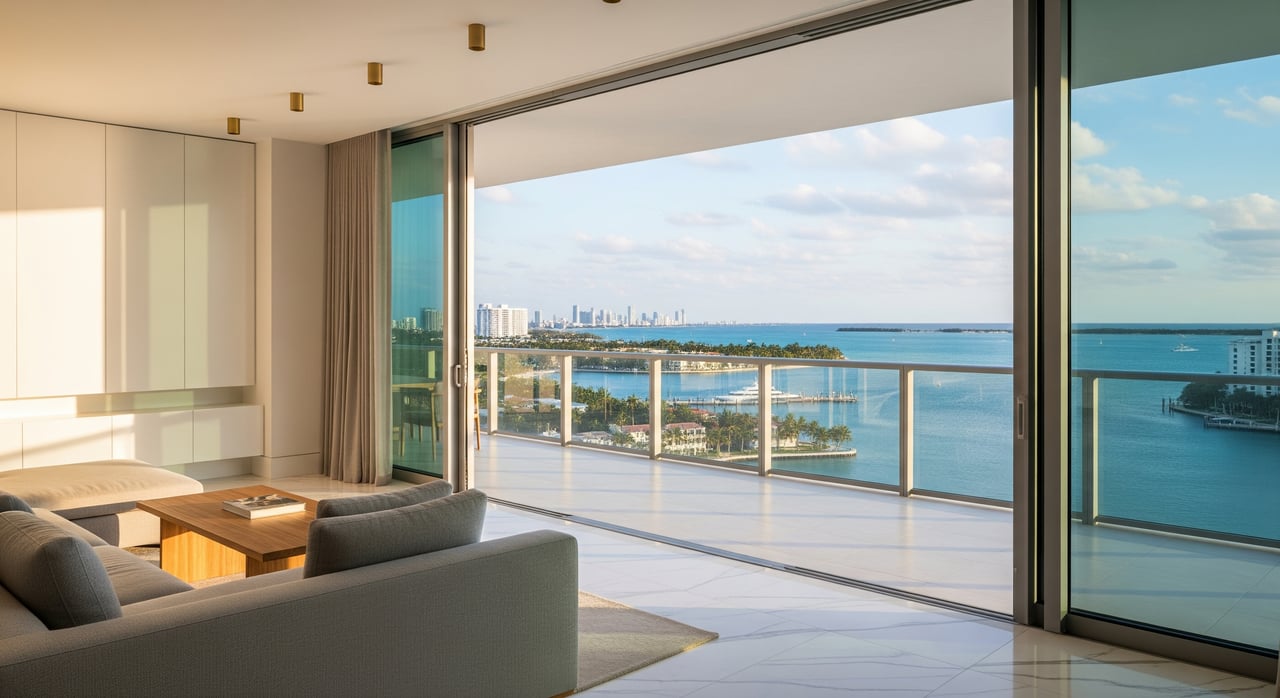
Waterfront condos offer views, beach or bay access, and, in some cases, private boat slips. You will find a mix of historic low‑rises, mid‑century towers, and new luxury buildings. Prices often reflect exposure and access. Direct ocean or bay views, corner lines, and deeded slips typically carry a premium.
Neighborhoods differ by lifestyle and building stock:
Waterfront units usually command higher prices per square foot. Liquidity can vary based on building condition, reserves, assessments, and rules. Buyers often weigh:
Short‑term rental rules in Miami Beach are complex. You must align city ordinances, building bylaws, and condo rules. Some areas have restrictive policies. Verify minimum lease periods, rental caps, registration needs, and any transient or hotel tax obligations. If investment income matters to you, confirm rules in writing before you make an offer.
Ask for and review these items early. They show the building’s health and help you negotiate with facts.
Look for red flags like low reserves, repeated large assessments, significant litigation, or major capital projects that are unfunded or imminent.
Waterfront buildings have unique costs. Salt air, seawalls, pumps, and exterior systems require steady upkeep. HOA fees reflect staffing, age, amenities, insurance, and deferred maintenance. Special assessments are not unusual for big repairs or reserve replenishment. Study the reserve study, planned projects, and assessment history to estimate your true carry.
Condo financing depends on the building, not just your credit. Many lenders and loan programs require the project to meet eligibility standards. High investor concentration, low reserves, or major deferred maintenance can make a building non‑warrantable. That can mean higher down payments or limited loan options. Engage a lender early to confirm project acceptance and to secure pre‑approval.
Florida offers a homestead exemption for eligible primary residences. It can reduce your taxable assessment if you declare residency. Second‑home owners and non‑residents are not eligible. Property taxes are set through the county system and can change over time. Typical Florida closing costs include title insurance, documentary stamp taxes, recording fees, and settlement charges. Budget for these alongside your down payment and reserves.
Miami Beach sits at low elevation and faces tidal flooding, storm surge, and hurricane risk. Flood zone and elevation affect insurance and lender requirements. Ask for an elevation certificate if available and confirm the unit’s flood zone. Know your policies and gaps:
Florida’s insurance market can be volatile. Premiums and availability change. Some owners use the state insurer of last resort when private carriers are limited. Obtain quotes early so you understand your total carry.
After the Surfside tragedy, building safety reviews intensified across South Florida. For coastal high‑rises, common issues include concrete spalling, rebar corrosion, balcony deterioration, waterproofing failures, and seawall wear. Request recent engineer reports, facade and balcony inspections, and the building’s recertification status. Consider an independent engineer review when conditions warrant.
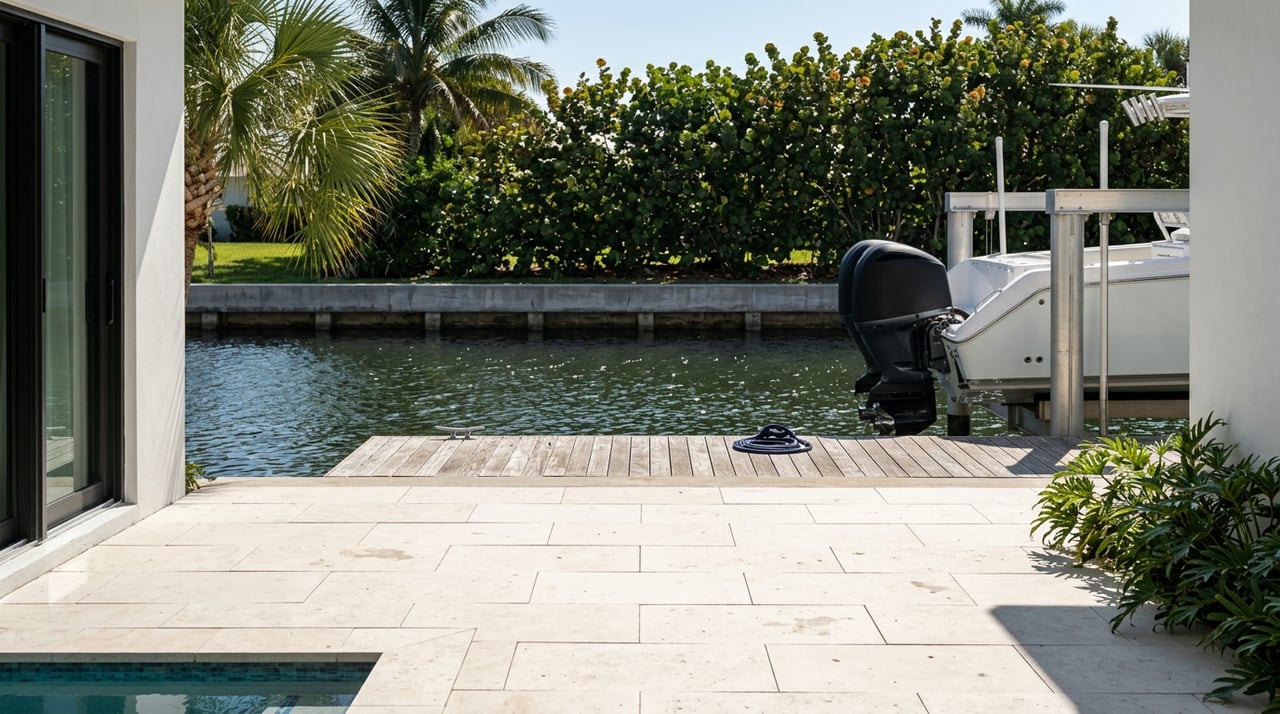
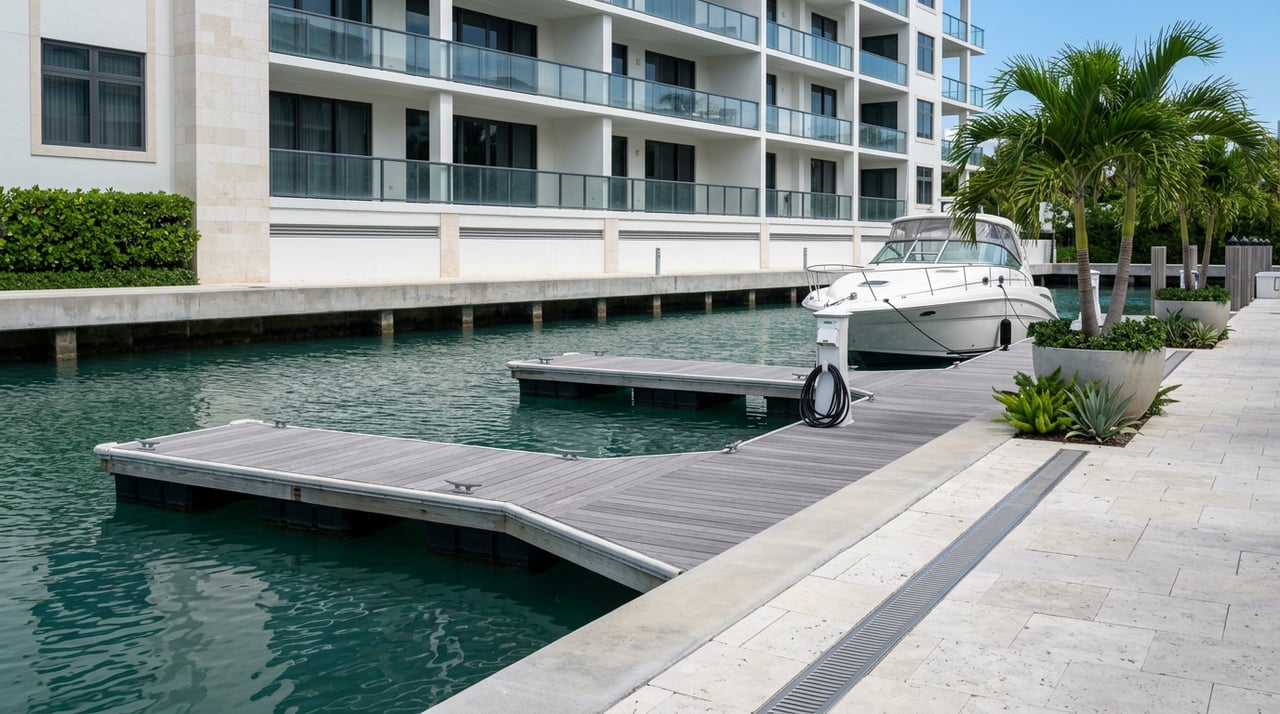
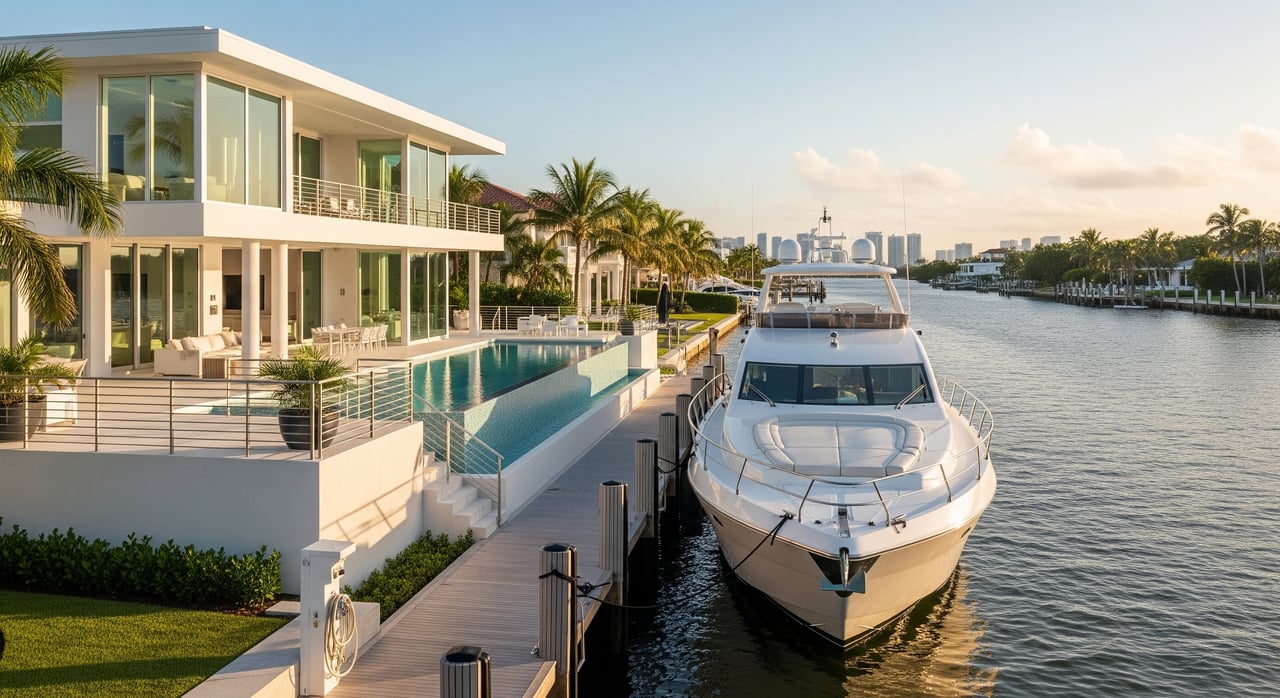
Ownership and access vary by building. Some units have deeded slips. Others have common‑area access or no boat facilities. Confirm whether a dock or slip is deeded, leased, or assigned by the association, and clarify maintenance and fees. Seawalls can be costly to repair. Understand who owns the seawall and who pays. If you plan improvements, expect permitting with multiple agencies. Water depth, tidal range, and proximity to channels will also determine if a slip fits your boat.
Use this list as a working file as you evaluate buildings and units.
Documents and records
Assessments and reserves
Insurance and hazard
Building condition and safety
Financing and title
Use and restrictions
Marine and shoreline
Professional team
You want a disciplined process and a smooth close. An advisor who understands condos, marine infrastructure, and title can save you time and reduce risk. With integrated real estate, yacht brokerage, and title coordination, you can evaluate slips, docks, and navigation alongside building reserves, insurance, and rental rules. That alignment helps you protect your capital and your lifestyle goals.
If you want a quiet, precise path to the right waterfront condo, connect with a local specialist who brings both condo and marine expertise to the table. Schedule your consult with Patrick Barnicle to explore options and a clear plan.
Stay up to date on the latest real estate trends.

Get assistance in determining current property value, crafting a competitive offer, writing and negotiating a contract, and much more. Contact Patrick today.