Boca Raton Waterfront Neighborhoods for Serious Boaters
January 8, 2026
January 8, 2026
If your perfect morning starts at the helm, Boca Raton can feel like paradise. The challenge is choosing a waterfront neighborhood that actually works for your boat and lifestyle. Access, bridges, water depth, and slip rules vary from street to street, which can make decisions feel risky. In this guide, you’ll learn how the main Boca waterfront options compare from a boater’s perspective so you can match your vessel to the right property with confidence. Let’s dive in.
Before you look at finishes or views, confirm the boating fundamentals. Use this quick checklist:
For laws, speed zones, and safety, review the Florida Fish and Wildlife Conservation Commission’s boating regulations. For routes, depths, and bridge data, consult NOAA nautical charts and tide and current predictions.
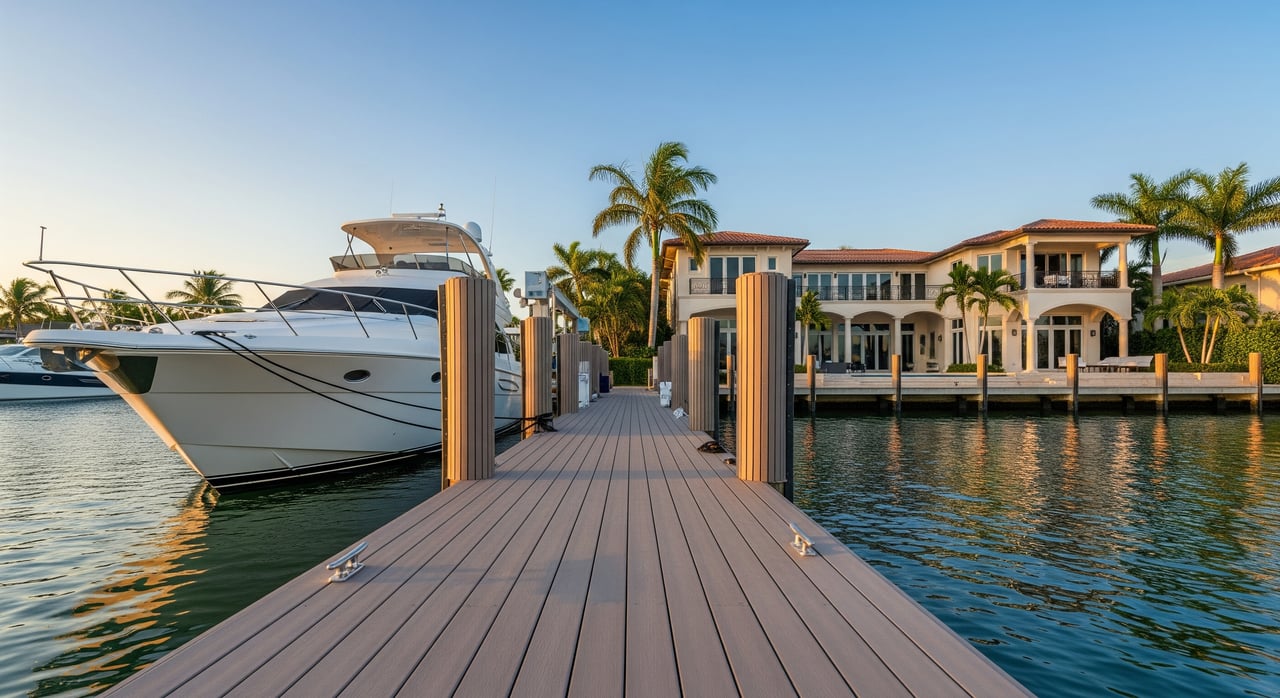
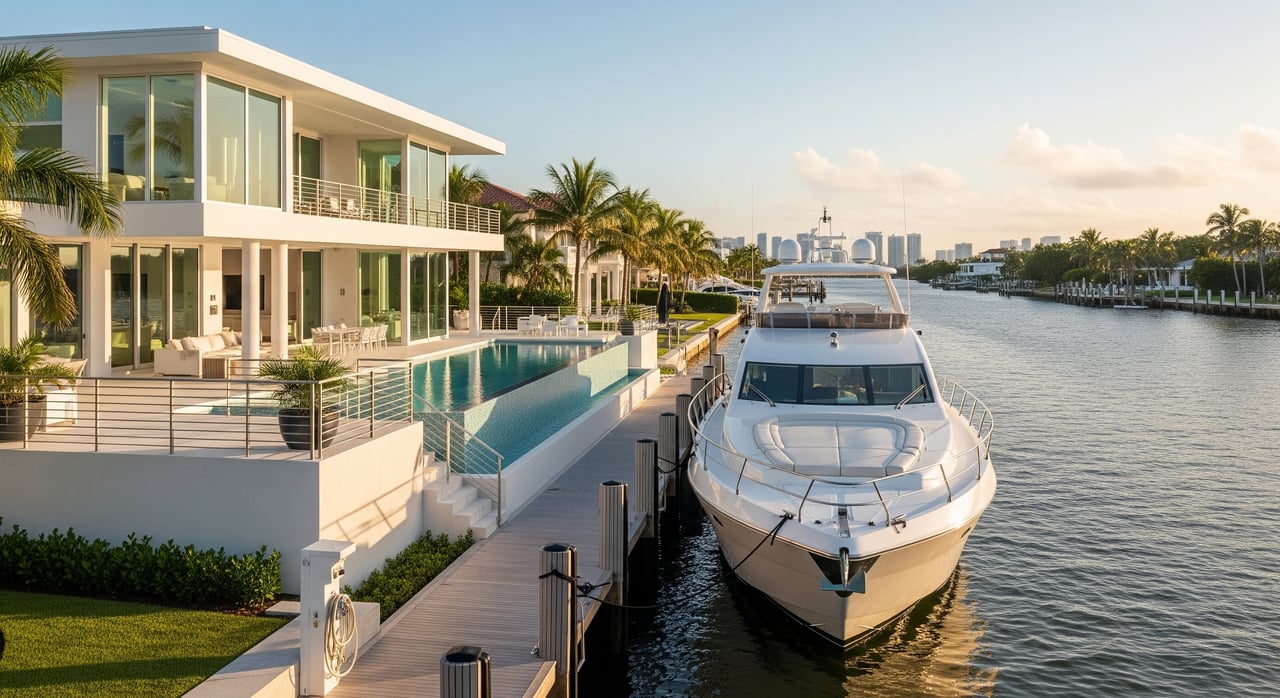
These homes back to the Intracoastal Waterway or canals that quickly feed into it. You often get direct dock ownership and immediate access, which is ideal if you want your boat steps from your door. Wake can be higher closer to the ICW, so placement and fendering matter.
Routes are usually straightforward, but bridge type and clearance can limit air draft. Fixed bridges and opening schedules need to be factored into your plans. Verify clearances on NOAA nautical charts and compare them to your vessel’s profile.
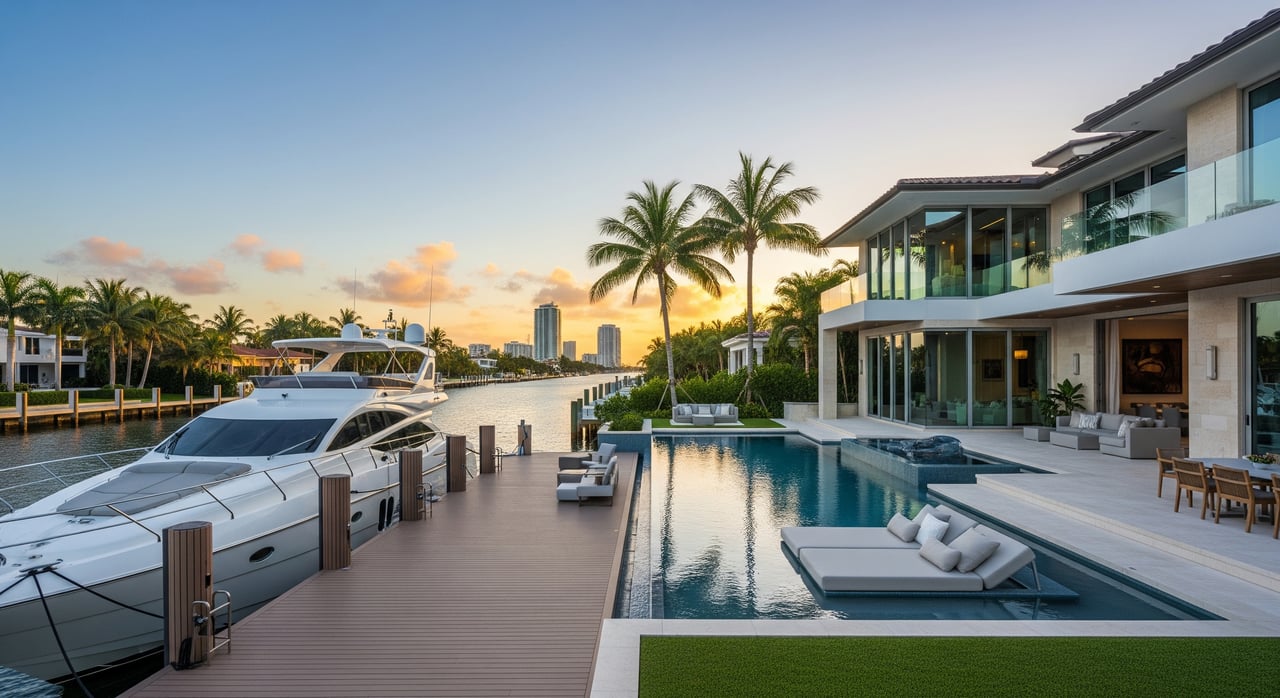
Many parcels include private bulkheads and docks. Check whether any dock is deeded and included in the property, or subject to separate documents. Review HOA or deed restrictions for lift size, piles, and guest mooring.
Depth can be reliable in public channels but more variable in private canals. Ask about dredging history and shoaling patterns. A marine survey and on-site soundings at low tide can protect your decision.
Expect flood and wind considerations typical of coastal Palm Beach County. Use the FEMA Flood Map Service Center to confirm the property’s flood zone and discuss wind coverage with local insurers.
This area suits owners who want private docks and quick ICW access. Confirm bridge clearance, dock dimensions, and any restrictions on lifts or vessel length before you commit.
These neighborhoods sit on man-made or natural canals that tie into the ICW. You often gain more sheltered docking and lower wake at your slip. Travel times can be longer to reach the inlet, and some canals are narrow for larger hulls.
Routes may involve multiple turns and occasional bridges. If you run a tall or wide boat, practice the route by dinghy or with a local captain to confirm maneuverability. Cross-check with NOAA nautical charts before you schedule sea trials.
Canal depth can vary by season and by street. Some systems rely on private or community-funded dredging. Confirm who pays for dredge work and how often it occurs.
Most homes include private docks, but size and lift capacity vary. Measure your beam and pilings carefully. If a dock is newer than the home, verify permits and final approvals with the City.
Ideal for dayboaters who value quiet water and at-home convenience. Confirm turning basins, beam clearance, and dredging plans, and review HOA rules on visible boat covers or maintenance.
Areas closest to the Boca Raton Inlet tend to offer faster ocean access. That can be helpful for offshore anglers and larger, ocean-going boats. Traffic is heavier here, and rules are enforced near the inlet.
You’ll typically have fewer bridges and shorter runs to open water. Bridge timing still matters on busy weekends. Always plan for current set near the inlet using tide and current predictions.
Proximity to marinas and service yards is a plus, especially for fuel and haul-out logistics. Ask facilities about hurricane haul-out options and lead times before season starts.
Great for anglers and cruisers who prioritize quick bluewater runs. Confirm wake zone boundaries, slip tie-up strength, and storm plans with nearby marinas.
Gated communities with private marinas offer managed slips and a social boating scene. Slips can be deeded, leased, or assigned under community rules. Waitlists are common and larger slip options can be limited.
Clarify whether the slip transfers with the property or is controlled by the association. Review membership fees, guest docking policies, power availability, and max boat length. Ask for current waitlist details in writing.
Professional dock management reduces your personal maintenance load. Access to shore power, dock staff, and amenities can streamline ownership. Still, confirm lift policies and storm procedures in the community handbook.
Good for owners who prefer managed services and community security. Verify slip transfer terms, insurance requirements set by the HOA, and any restrictions on charters or crew parking.
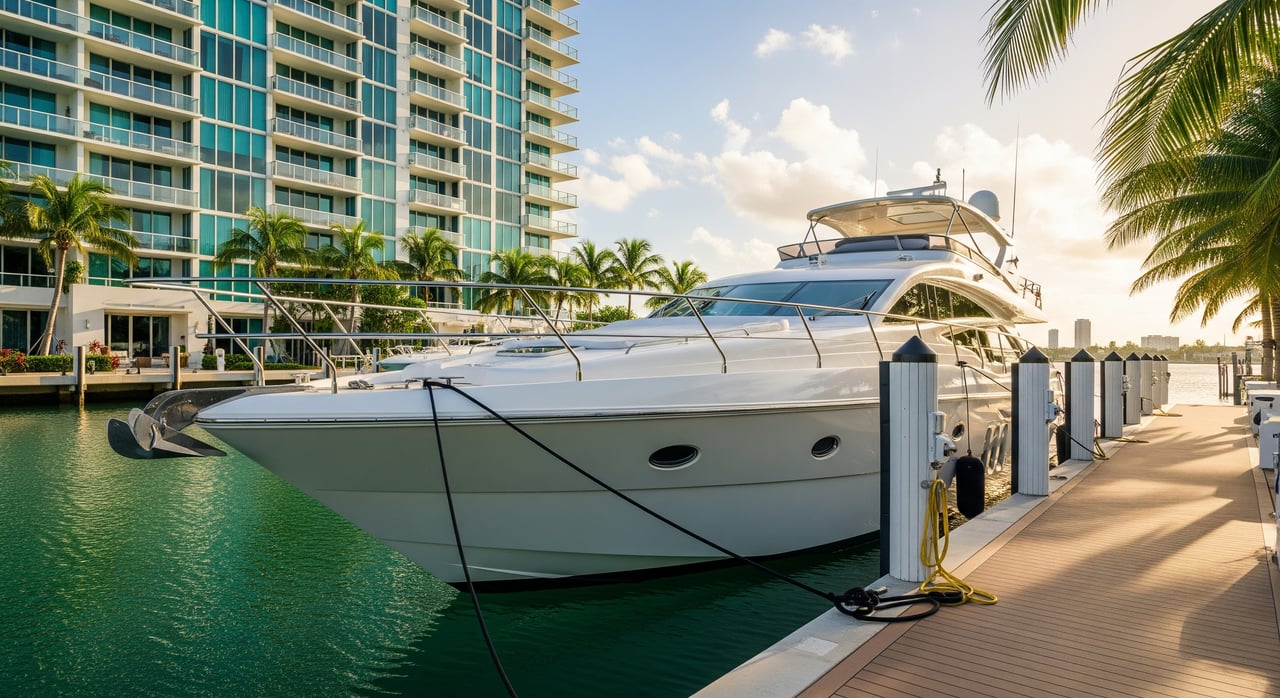
Waterfront towers may offer a small number of private or rentable slips, or partner with nearby marinas. This provides convenience with less personal dock upkeep. Availability, vessel size limits, and HOA fees vary widely.
Expect scarcity and waitlists, especially for larger boats. Fees may be separate from condo dues. Confirm the exact slip dimensions, power, and depth before you write an offer.
Condo rules often restrict commercial use, liveaboard status, and guest docking. Ask for marina agreements and addenda. Check flood and wind implications through your insurer and the building’s master policies.
Ideal for lock-and-leave owners who value tower amenities. Verify slip assignment priority, lease terms, and hurricane plans for resident vessels.
Many scenic lakes and ponds are marketed as waterfront but do not connect to the ocean. These are best for kayaks, paddleboards, or small electric craft. They do not suit ocean-going powerboats.
Assume no navigable route to the ICW or inlet. Confirm any HOA rules for small craft or electric motors. If ocean access matters, focus your search eastward.
Coastal properties come with added permitting layers. Docks, lifts, and seawalls may require approvals at the city, county, state, and sometimes federal levels. Timelines and requirements vary by site conditions.
Speed zones and local restrictions are enforced by state and local authorities. Read the boating regulations and verify any posted no-wake areas along your planned route.
Waterfront often brings a premium in both purchase price and ongoing costs. Flood zone status, elevation, and location affect premiums and lender requirements. Start with the FEMA Flood Map Service Center and request quotes early.
Aging seawalls and docks carry maintenance obligations. Ask for receipts, permits, and any engineering reports. If the seawall is shared or set along an easement, clarify responsibilities in recorded documents.
Ask where you will put the boat when a storm is forecast. Many marinas have specific hurricane plans and priority lists for haul-out. Clarify your HOA or marina’s rules on lines, fenders, and evacuations before the season starts.
If trailering is part of your plan, confirm neighborhood rules and storage options. Insurance carriers often require documented storm procedures for underwriting.
When you blend vessel specs, access, rules, and risk, the right property becomes obvious. A disciplined pre-check on depth, bridges, and slip rights will save you from surprises later.
Ready to compare properties with a plan built around your boat? As a licensed real estate and yacht broker, Patrick unifies dock due diligence, clearance and route checks, insurance conversations, and vessel strategy into one advisory process. If you want a smart shortlist and a smooth close, connect with Patrick Barnicle.
Stay up to date on the latest real estate trends.
Get assistance in determining current property value, crafting a competitive offer, writing and negotiating a contract, and much more. Contact Patrick today.