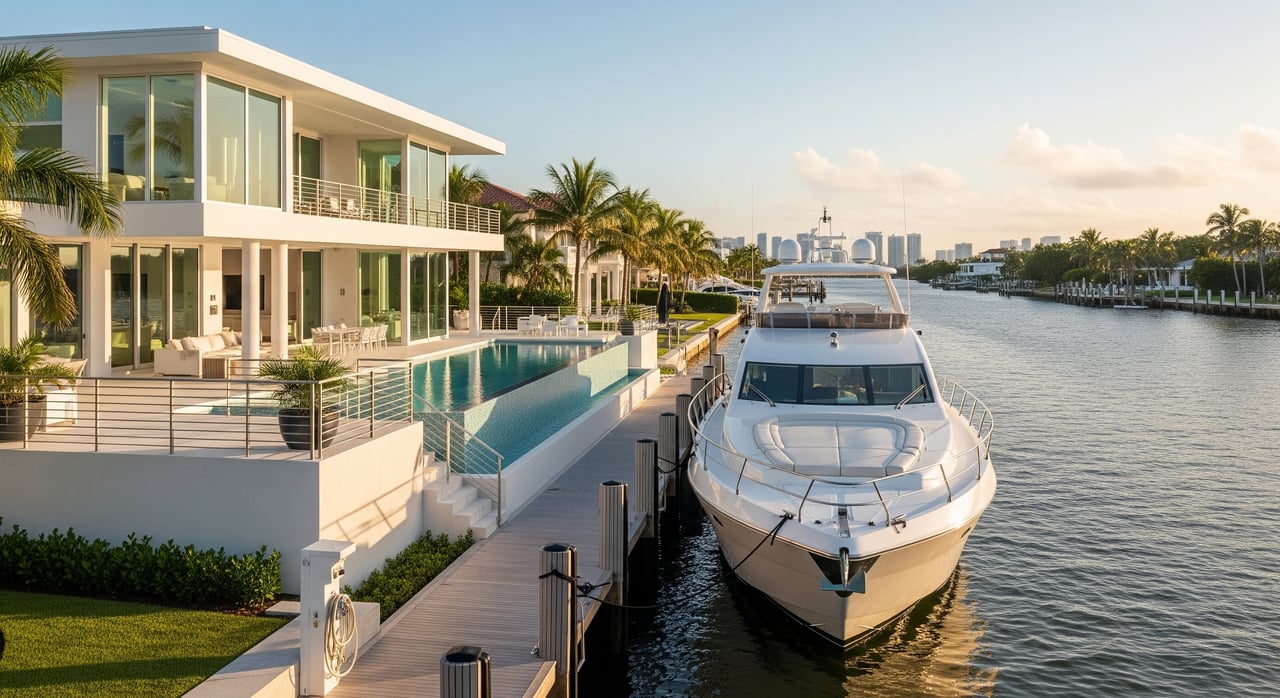
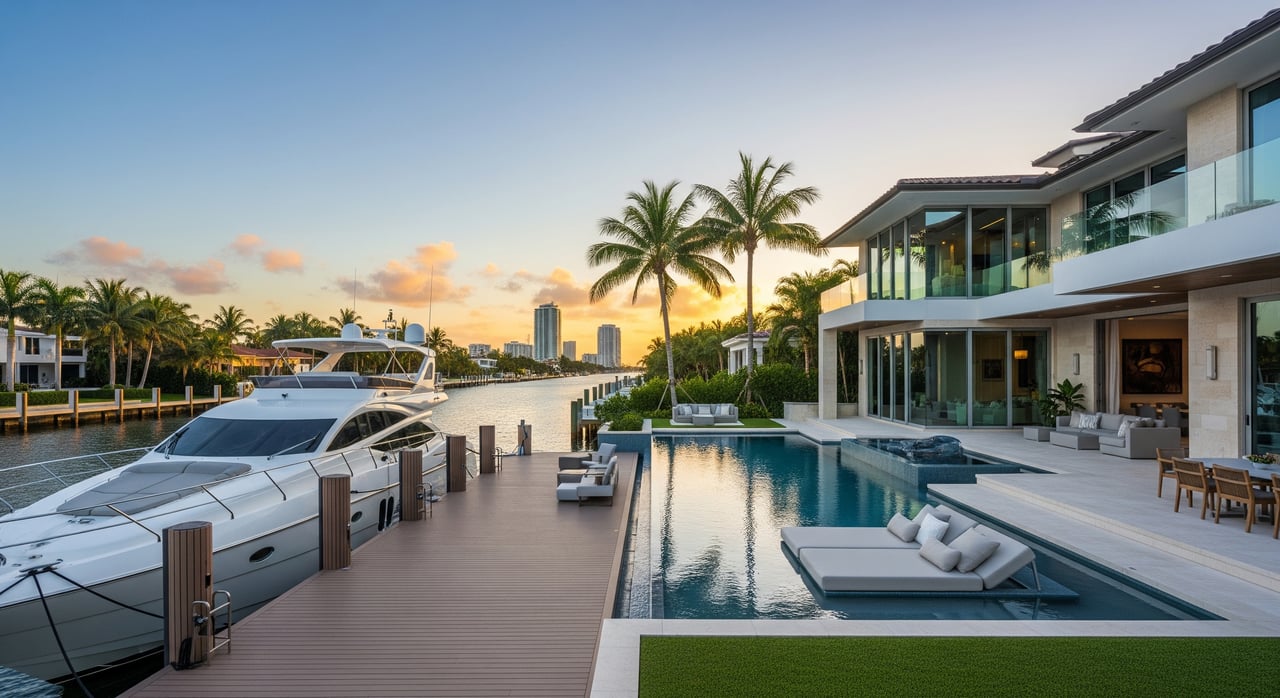
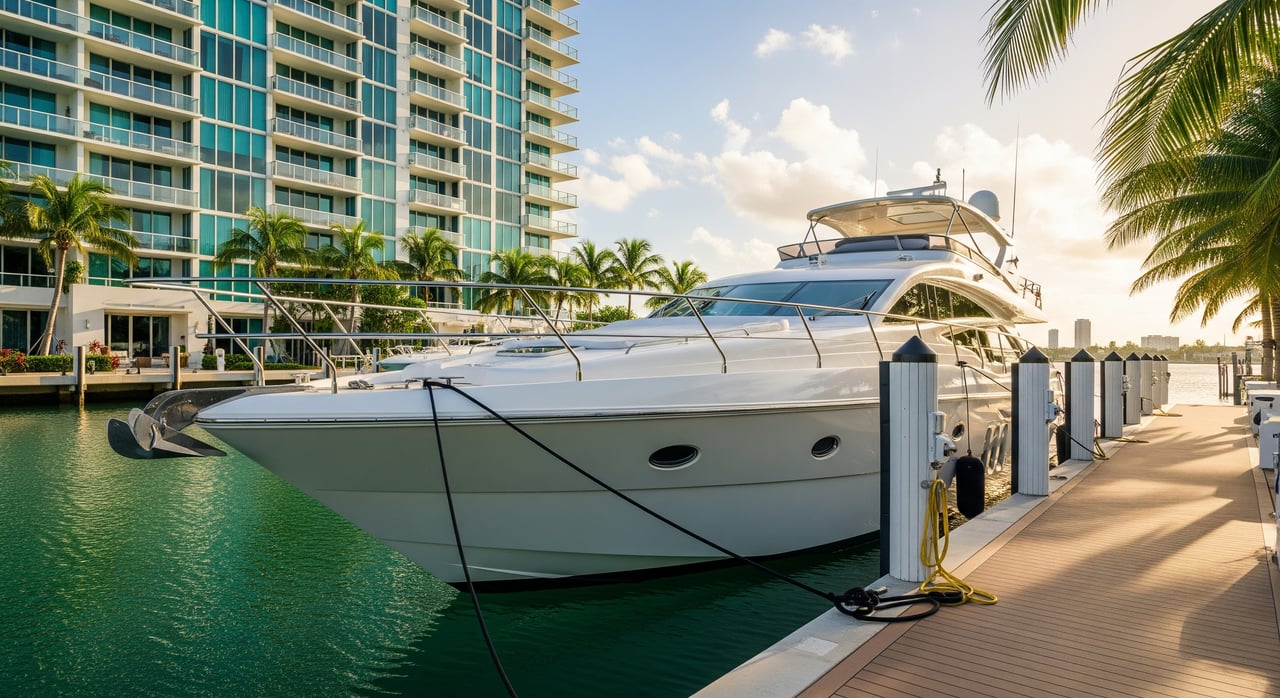
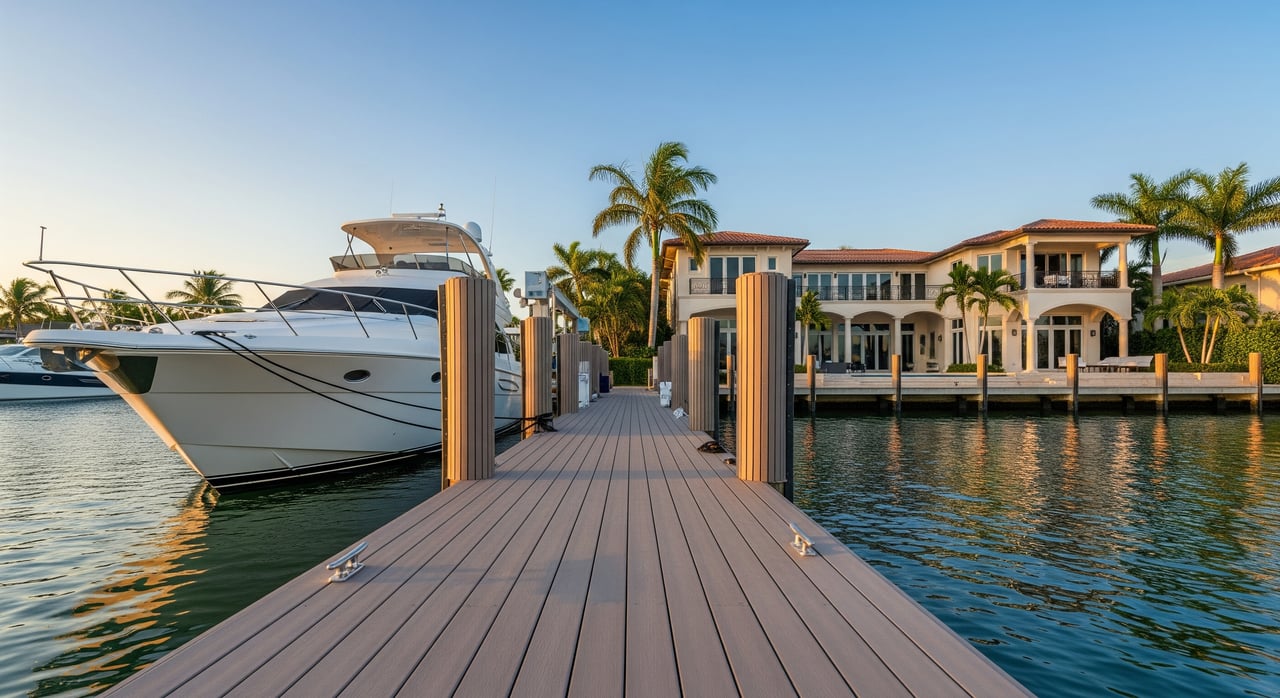
Thinking about upgrading your dock in Lighthouse Point and wondering which changes actually move the needle on value? You are not alone. Waterfront buyers here expect safe, functional access to the water and low‑maintenance features that stand up to salt, sun, and storms. In this guide, you will learn which upgrades buyers prize, how to navigate permits, which materials last, and the smart steps to take before you start. Let’s dive in.
Start with permits and rules
Before you sketch designs or call a contractor, confirm what is allowed on your specific lot. Dock and seawall work in Lighthouse Point sits under several layers of oversight: the City of Lighthouse Point Building Department, Broward County environmental staff, the Florida Department of Environmental Protection, and sometimes the U.S. Army Corps of Engineers. FEMA flood rules and the Florida Building Code also apply.
Permit triggers are common. Repairing or replacing a seawall, raising a seawall, installing a boat lift or davits, or adding a covered structure typically requires engineered plans and permits. Many projects also include timing rules for in‑water work to protect seagrasses and marine life. If your dock was storm‑damaged, replacement‑in‑kind may be possible in some cases, but insurers and local code can still require upgrades to meet current standards.
The fastest route is to confirm requirements early with the city and county, then coordinate state and federal reviews if your design affects submerged lands or navigation. A marine engineer and an environmental consultant can save time by designing to local standards from the start.
Dock features buyers value most
Waterfront buyers in Lighthouse Point look for useful, safe, and low‑maintenance dock systems. These upgrades consistently improve marketability and confidence at showings:
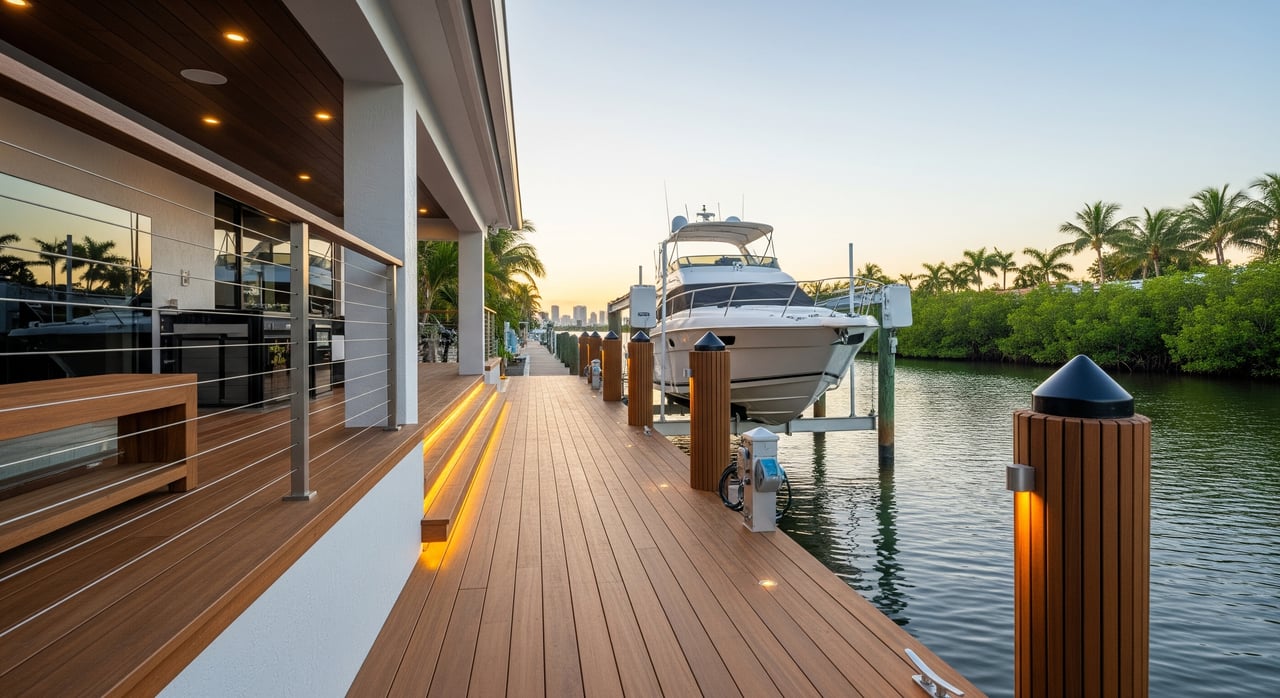
- Functional boat lift sized for the intended vessel, with corrosion‑resistant components and proper isolation of dissimilar metals.
- Protective cover or canopy where permitted, to shield high‑value boats from sun and weather without excessive shading of seagrass.
- Wide, sturdy finger piers and walkways that make boarding, line‑handling, and guest access easier.
- Upgraded decking using non‑slip composite or marine‑rated tropical hardwoods that reduce upkeep and clean well for showings.
- Code‑compliant electrical and water at the dock, including GFCI shore power and hose bibs with proper installation and protection.
- Lighting and safety gear such as efficient LED lighting, a non‑skid surface, well‑placed cleats, a ladder, and a visible life ring.
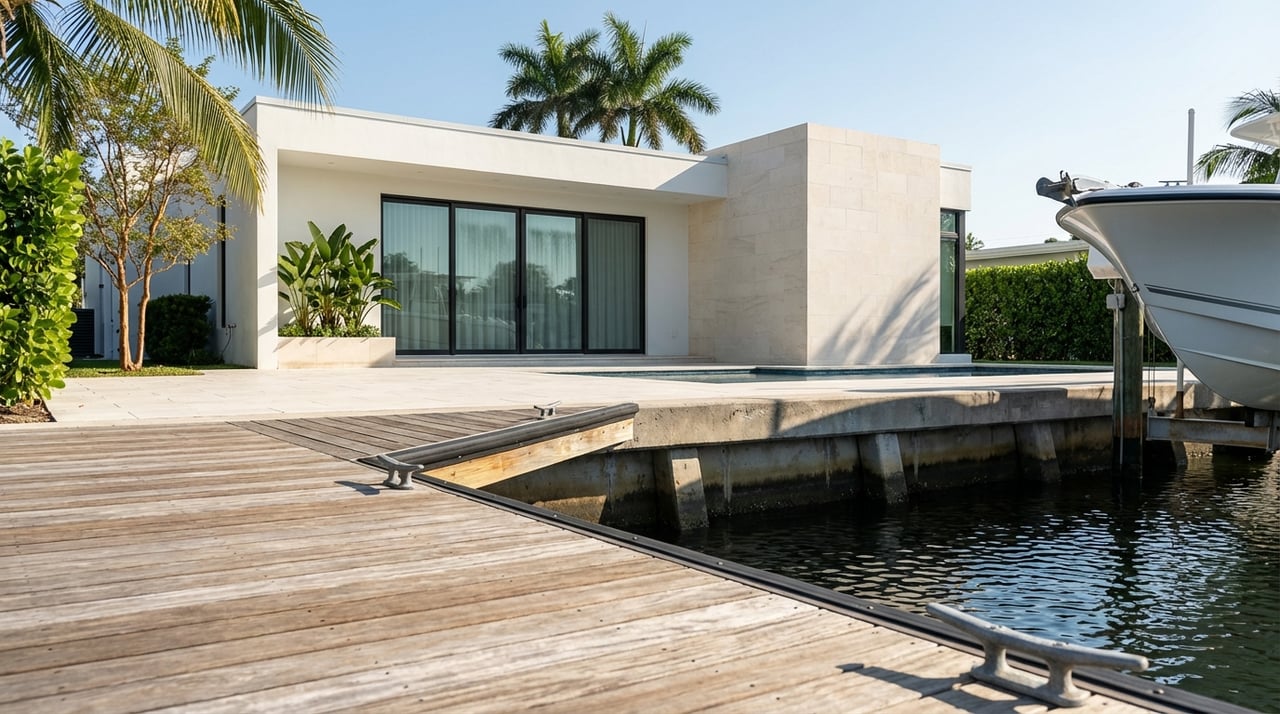
- Stable, compliant seawall with no signs of erosion or tie‑back failure, since a secure shoreline is the foundation of a valuable dock.
- Integrated storage like lockable boxes for lines and fenders, which keeps the dock clean and photo‑ready.
These features matter locally because Lighthouse Point offers quick access to the Intracoastal and ocean. Buyers want to protect their boats, reduce maintenance, and enjoy safe nighttime use, all while meeting current coastal codes.
Nice‑to‑have upgrades
If you want to go a step further, consider:
- Davits for dinghies or jet skis, useful on shallow lots.
- Lift upgrades with remote controls and covers, plus charging for electric trolling motors.
- A fish cleaning station with running water and proper waste handling.
- Thoughtful aesthetics that tie the dock to the yard, such as marine‑grade furniture and clean railings.
Use caution with large covers or boathouses. Oversized structures can block views, run into height and shading limits, and trigger more intensive environmental review.
Materials that endure South Florida
Saltwater, sun, humidity, and marine borers are constant pressures. Choose materials and methods designed for our environment.
- Pilings: Concrete or pressure‑treated timber pilings with corrosion protection, or composite systems where engineered. Pilings should be driven to depths that meet lateral and uplift requirements in the Florida Building Code.
- Decking: PVC or composite decking, or select marine‑rated tropical hardwoods like ipe, installed for drainage and slip resistance. Composite systems often reduce staining and routine upkeep.
- Hardware: Marine‑grade stainless steel (often 316) or hot‑dipped galvanized where specified by your engineer. Avoid low‑grade metals that corrode quickly in saltwater.
- Lifts: Corrosion‑resistant motors and cables, sacrificial anodes, and design choices that limit galvanic corrosion. Follow manufacturer installation guidance and wind load criteria.
- Fasteners and connections: Use stainless or specialized marine fasteners, and design connections for easy inspection and replacement.
- Seawalls: Concrete or sheetpile designs engineered for local soils and wave conditions. Stabilize soil behind the wall, and ensure tie‑back systems are sized and placed correctly.
Build for storms and sea level
Waterfront value depends on durability. Plan for hurricanes, storm surge, and gradual sea level rise.
- Elevation and floodproofing: Place electrical panels and breakers above base flood elevation, and use GFCI shore power. Keep sensitive equipment out of regular splash zones.
- Wind loads: Design covers, canopies, and railings to meet Florida coastal wind provisions, including uplift resistance.
- Breakaway elements: Where appropriate, use designs that fail safely in extreme events rather than becoming hazards.
- Corrosion control: Inspect regularly, replace sacrificial anodes on schedule, and have a professional evaluate the dock and lift after major storms.
Protect the environment and your timeline
Environmental constraints are real here, and they shape what you can build.
- Seagrasses and mangroves: Shading or damaging these resources can require mitigation. Aim for designs that minimize bottom shading and avoid unnecessary dredging.
- Turbidity control: In‑water work often requires silt curtains and specific construction practices to limit turbidity.
- Working windows: You may have seasonal limits to protect marine life, including manatees and fish. Permit conditions will lay out timing and methods.
An environmental consultant can flag issues early, help you avoid redesigns, and keep your schedule on track.
Insurance and risk management
Upgrades can affect insurance and documentation. Plan for underwriting and future claims.
- Flood insurance: Electrical and mechanical equipment at low elevations can change exposure. Elevate panels and document code compliance to support underwriting.
- Wind and hurricane coverage: Large covers can add wind risk. Engineering that shows compliance with the Florida Building Code supports policy reviews.
- Post‑storm replacement: After damage, some policies allow like‑for‑like replacement, yet local code may require upgrades. Know the difference before you start.
Cost, ROI, and marketability
Waterfront buyers in Lighthouse Point often treat a safe, code‑compliant dock and seawall as essential. Without them, achieving a true waterfront premium at sale is difficult. The value you capture comes from confidence and usability, not just aesthetics.
Costs vary widely with water depth, wave exposure, access for equipment, piling depths, environmental constraints, and material choices. Resilient designs and corrosion‑resistant systems cost more upfront but can reduce maintenance and increase buyer appeal.
If you plan to sell soon, prioritize structural safety, a functioning lift, clean decking, and tidy storage. If you are buying, arrange a professional inspection of the dock, seawall, and lift, and factor maintenance and replacement cycles into your budget.
Hire the right marine team
The right professionals can protect your investment and avoid delays.
- Licensed marine contractor with Broward and Lighthouse Point experience
- Marine structural engineer who designs to Florida coastal provisions
- Environmental consultant to evaluate seagrass, mangroves, turbidity, and timing
- Surveyor for property lines and riparian rights, and a geotechnical engineer for seawall design when needed
When you request bids, ask for multiple quotes, proof of licenses and insurance, references, and recent local project photos. Confirm that materials meet marine standards and that the contractor understands the city and county permitting process.
Pre‑project checklist
Use this quick list to start the right way:
- Confirm boundaries and riparian rights with a current survey.
- Call the City of Lighthouse Point Building Department to review permit needs.
- Check with Broward County environmental staff about seawalls, seagrass, and dredging.
- Bring in an environmental consultant if habitat impacts are possible.
- Hire a marine structural engineer to design to the Florida Building Code.
- Get three written quotes from licensed marine contractors with local experience.
- Submit permits to city, county, and state or federal agencies as required.
- Coordinate with your insurance agent on coverage and documentation of code compliance.
- Plan post‑installation inspections and a maintenance schedule.
Seller prep: quick wins before listing
If you plan to list soon, small improvements can boost showing quality.
- Service the lift, replace sacrificial anodes, and verify capacity labels are clear.
- Tighten or replace cleats and hardware, and refresh non‑skid areas that have worn smooth.
- Add efficient LED pathway lighting and a visible ladder for safety.
- Declutter and use lockable storage to keep lines, fenders, and gear out of sight.
- Pressure‑wash decking and check that GFCI outlets test properly.
Clean, well‑lit docks photograph better and build buyer confidence during tours.
When property and vessel plans overlap
Many Lighthouse Point buyers arrive with a specific boat in mind. The right lift capacity, beam clearance, and water depth can be the deciding factors. If you are upgrading a dock before selling, set it up for common local boat sizes and keep documentation for permits, engineering, and warranties. If you are buying, align your dock plan with your vessel plan early, so you avoid rework after closing.
If you want guidance that spans the dock, the home, and the boat, you can work with a single advisor who understands all three. That kind of coordination streamlines decisions and helps you avoid costly missteps.
Ready to plan a value‑adding dock upgrade or prepare your property for market? Connect with Patrick Barnicle for concierge guidance that integrates waterfront real estate, yacht considerations, and title coordination.
FAQs
Do I need permits to replace a Lighthouse Point dock?
- Yes. Most dock and seawall repair or replacement projects require city permits and often county or state approvals. Confirm requirements with the City of Lighthouse Point and Broward County before starting.
What dock features add the most value in Lighthouse Point?
- A functional boat lift, wide and sturdy walkways, low‑maintenance decking, safe shore power and water, good lighting, and a stable seawall are top buyer priorities.
Which decking materials hold up best in South Florida saltwater?
- PVC or composite decking and select marine‑rated tropical hardwoods are favored for durability and slip resistance. Pair them with marine‑grade fasteners and hardware.
Can I add a covered boat canopy on my Lighthouse Point dock?
- Often yes, but size, height, and shading limits may apply. Designs that shade seagrass or obstruct views can face stricter review. Your permit will outline what is allowed.
Will raising or replacing my seawall require permits in Broward County?
- Yes. Seawall repair, replacement, or elevation changes typically require engineered plans and permits. Tie‑backs and geotechnical conditions are common review items.
Can I dredge to gain more depth at my Lighthouse Point lot?
- Dredging is heavily regulated and may require county, state, and federal approvals and mitigation. Explore alternatives before assuming dredging is feasible.
How often should I service my boat lift and dock in hurricane season?
- Plan annual inspections, with additional checks after major storms. Replace sacrificial anodes on schedule, verify electrical safety, and inspect fasteners and connections regularly.