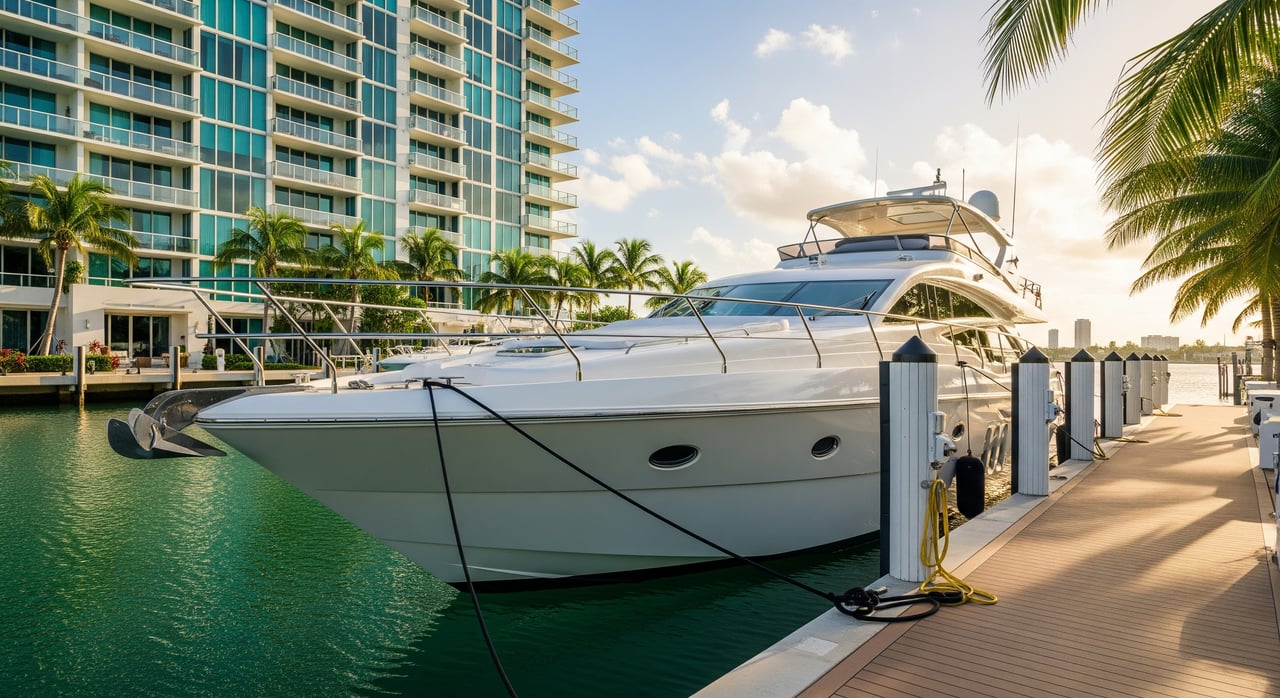
Relocating to Aventura: A Boater’s Checklist
January 15, 2026
January 15, 2026
You are moving to Aventura for the water. With Biscayne Bay and the Intracoastal at your doorstep, the draw is obvious. The details are what determine whether your first season feels seamless or stressful. This guide gives you a practical boater’s checklist for Aventura: where to run, how to dock, what to permit and register, how to plan for hurricanes, and which services to line up before you arrive. Let’s dive in.
Aventura sits along the Intracoastal Waterway with quick reach to Biscayne Bay, the Oleta River, and offshore via Haulover Inlet. Conditions are generally friendly year‑round, with a small tidal range. Currents and traffic near inlets and narrow channels can be strong, so plan your transits with care.
Study the area using authoritative resources before you go. Review depth and aids to navigation on the NOAA nautical charts. Check for temporary closures or changed markers in the U.S. Coast Guard Local Notice to Mariners. If you are new to Haulover or any shallow canal, get local knowledge from marina staff before your first run.
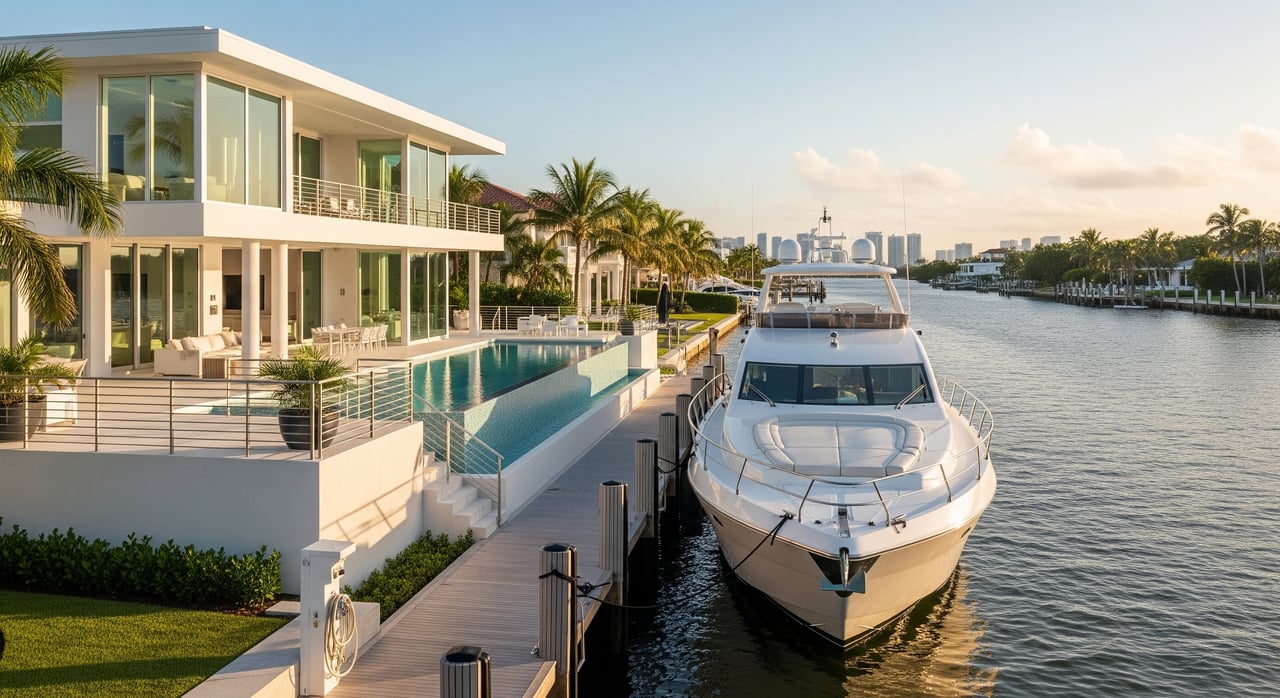
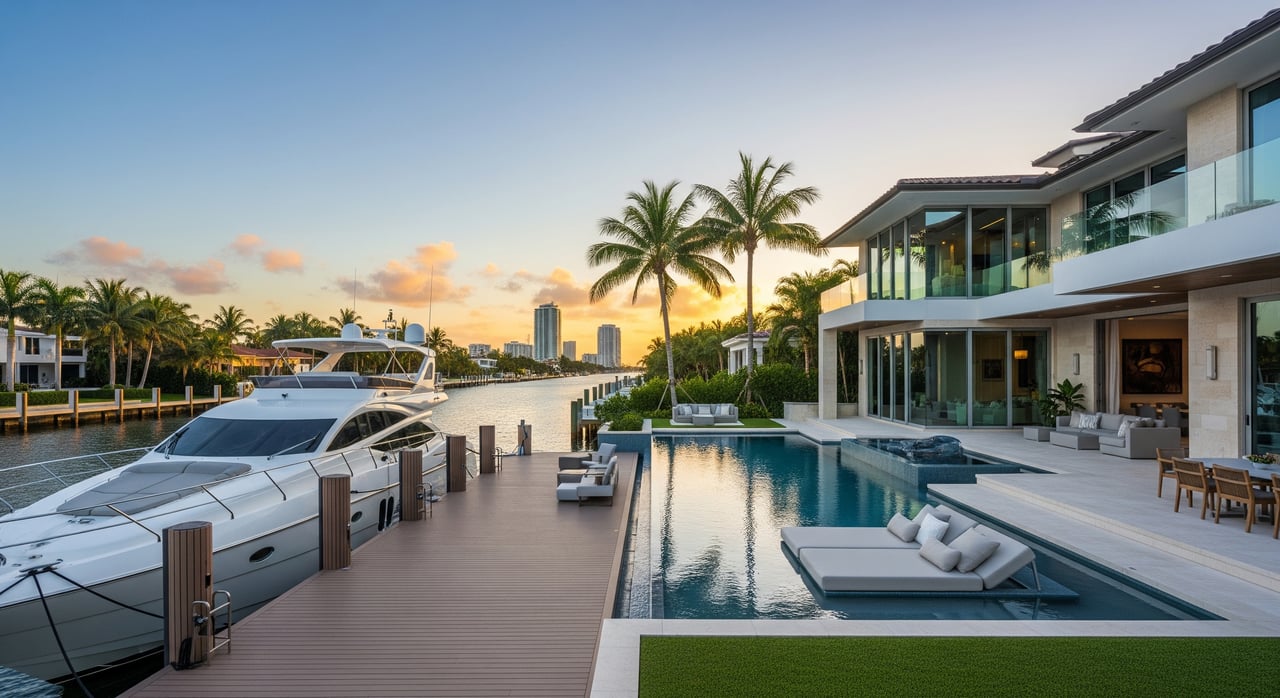
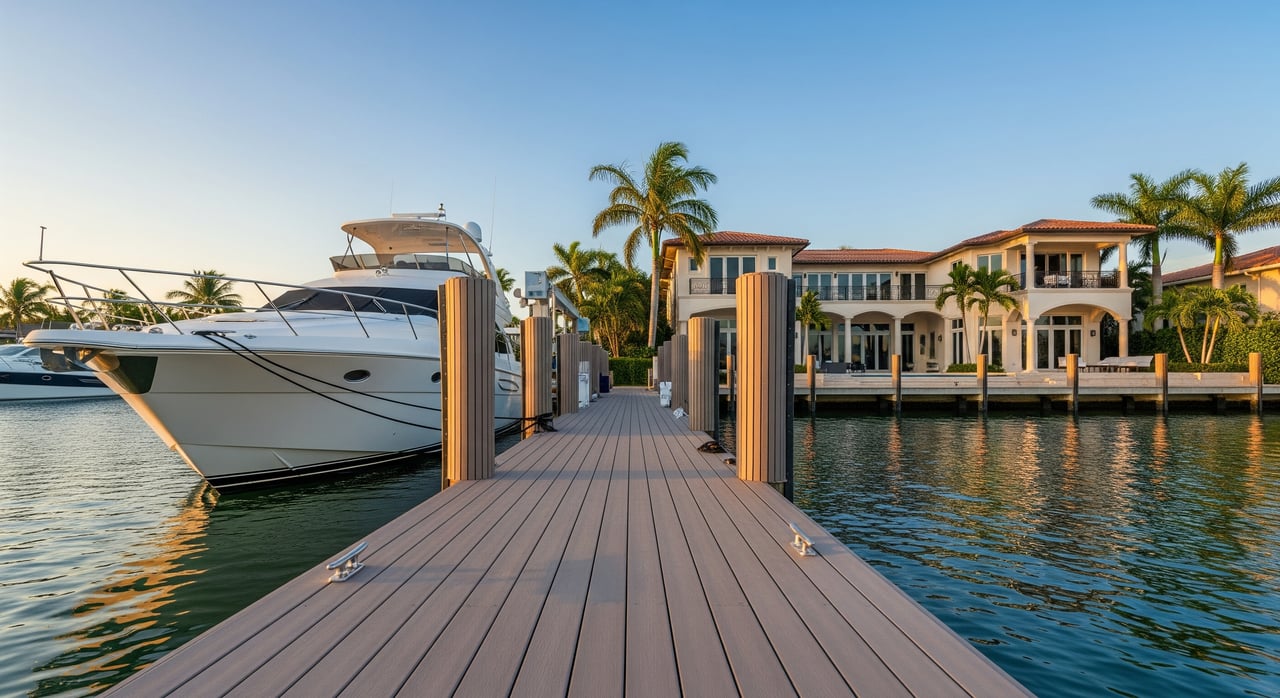
You will find a mix of private residential docks, marina wet slips, dry stack storage, and transient options throughout the Miami corridor. Your best choice depends on vessel length and beam, draft, frequency of use, and your storm plan.
For current availability and bookings, browse reputable directories like Dockwa’s marina network, then call marina offices to confirm depths at mean low water, power options, security, and any waitlist policies.
If you are purchasing a home with boating in mind, build these checks into your offer timeline.
If you plan changes to a dock or seawall, expect environmental review. Many projects require county permits and may also trigger state or federal review when submerged lands or protected habitats are involved. Start with Miami‑Dade permitting and the Florida Department of Environmental Protection to understand the path.
Florida requires registration for most motorized vessels operating in state waters. If your vessel will be Florida‑based, review titling and registration steps with the Florida Highway Safety and Motor Vehicles vessel guide. If your boat is federally documented, consult the National Vessel Documentation Center for documentation specifics.
Operator rules vary by age and vessel type. Florida enforces education requirements and BUI laws, and Miami‑Dade posts speed and no‑wake zones in sensitive or congested areas. Review the Florida Fish and Wildlife Conservation Commission boating education and rules before you run.
Carry required safety gear at all times. The U.S. Coast Guard lists minimum carriage requirements for life jackets, visual signals, fire extinguishers, sound devices, and navigation lights by boat length and operating area. Use the USCG equipment requirements as your baseline and exceed it where prudent.
Hurricane season runs from June 1 to November 30. Plan early and in writing so you are not scrambling before a named storm.
Track forecasts with the National Hurricane Center and align your property planning with local guidance from Miami‑Dade emergency management. For waterfront homes, understand how your homeowner’s policy, flood insurance, and any dock coverage interact. Use the FEMA Flood Map Service Center to review your flood zone and discuss deductibles and exclusions with your insurer.
South Florida has a deep marine ecosystem: mechanics, riggers, divers, haul‑out yards, bottom paint specialists, sail lofts, and parts suppliers. When comparing marinas, evaluate more than price.
Shop for slips and transient dockage on Dockwa, then confirm details by phone. Many services are mobile in South Florida, including pump‑out, fueling, and mechanics. Ask your marina for a vetted vendor list and response times during peak season.
Build a realistic annual budget so you are never surprised.
Prices vary by marina, boat size, and season. Get current quotes directly from marinas and service providers.
Use this list to organize your move to Aventura.
If you want one point of accountability for your move, work with an advisor who understands both the real estate and the yachting sides of your lifestyle. As a licensed REALTOR, yacht broker, and title agent, Patrick brings integrated guidance on dock rights, slip strategy, vessel logistics, and closing coordination so you can enjoy the water sooner and with less friction.
Ready to map your Aventura plan? Connect with Patrick Barnicle to schedule a free consultation.
Stay up to date on the latest real estate trends.
Get assistance in determining current property value, crafting a competitive offer, writing and negotiating a contract, and much more. Contact Patrick today.