Jumbo Loans in West Palm Beach: A Buyer’s Overview
December 4, 2025
December 4, 2025
Are you looking at a West Palm Beach home where the price pushes past typical mortgage limits? You are not alone. Many buyers here discover they need a jumbo loan to land the right waterfront home or luxury condo. In this guide, you will learn what a jumbo loan is, how to check if you need one, what lenders look for, and the local factors that can affect your approval and monthly payment. Let’s dive in.
A jumbo loan is a mortgage that is larger than the conforming loan limit set by the Federal Housing Finance Agency. If your loan amount exceeds the current county limit, it is considered a jumbo. These loans are not purchased by Fannie Mae or Freddie Mac, so lenders use their own standards to approve and price them.
To see whether your target home pushes you into jumbo territory, check the current county limit before you write an offer. You can verify the latest figure on the official FHFA conforming loan limits. If your needed loan amount is above that number for Palm Beach County, you are in jumbo territory.
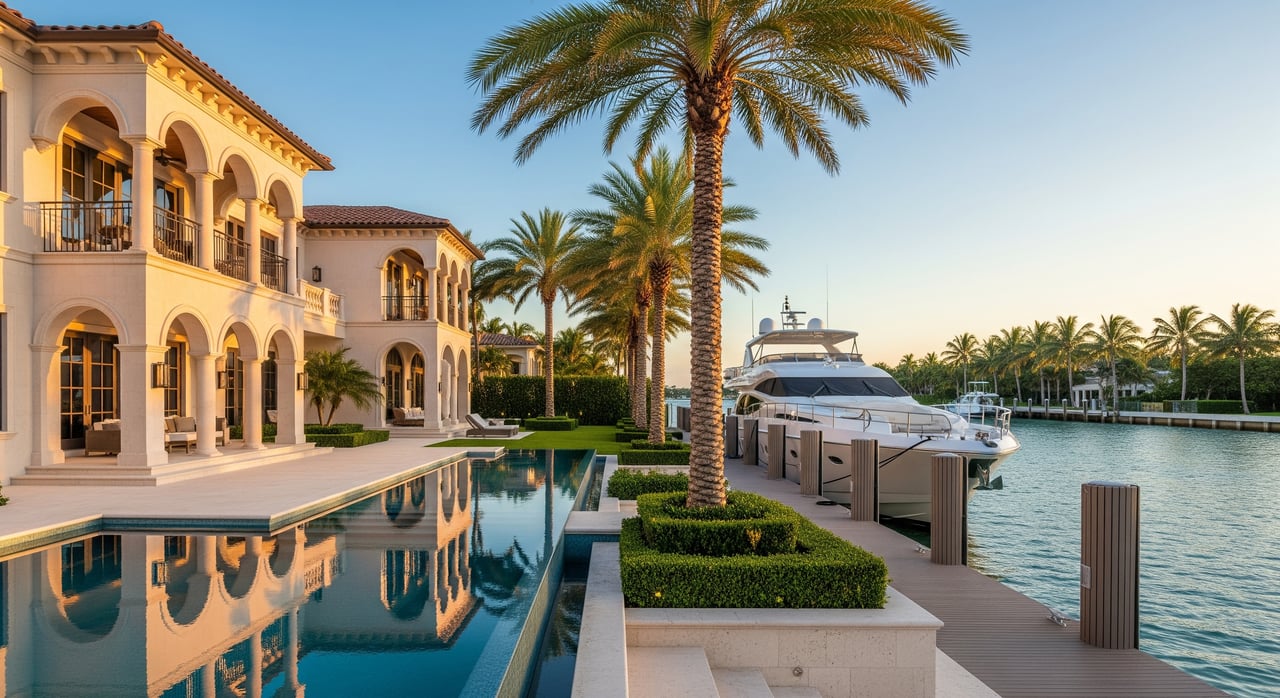
West Palm Beach blends mid-market neighborhoods with high-end coastal properties and luxury condos. Waterfront homes, larger single-family residences, and new construction often cross the conforming limit. Seasonality and limited comparable sales in certain luxury submarkets can also influence pricing and appraisals, which can reinforce the need for jumbo financing.
Jumbo loans use lender-specific standards. The details vary, but most follow a few common patterns.
Lenders usually expect stronger credit profiles for jumbos. You will often see minimum scores starting around 700 to 720, with the best pricing reserved for higher bands such as 740 to 760 and above. Jumbo rates can be slightly higher or similar to conforming loans depending on market conditions and a given lender’s appetite. Because pricing is lender specific, two lenders can quote very different offers on the same profile.
Maximum loan-to-value ratios are often tighter on jumbos than on conforming loans. Many primary residences qualify up to 80 to 90 percent LTV, but the most competitive pricing often appears with 20 percent or more down. Higher LTV options can exist, yet they usually come with stricter credit and larger reserve requirements. Expect lenders to ask for meaningful cash reserves, commonly 6 to 12 months of total housing payments, and more for complex scenarios or multiple properties.
Debt-to-income caps are similar to or a bit stricter than standard conventional rules. Many lenders top out near 43 to 50 percent depending on the strength of your file and reserves. Full documentation is the norm. If you are self-employed, plan for two years of business and personal tax returns plus recent financial statements. Non-QM or bank-statement jumbos can help buyers with complex income, but they typically carry higher rates and larger reserve requirements. For an overview of mortgage basics and loan types, the CFPB’s consumer mortgage resources are a good starting point.
Underwriting also considers what you are buying and where.
Condos are common for West Palm Beach jumbo buyers. Lenders will review the association’s budget, reserves, insurance, rental ratios, and any litigation. Projects with low reserves, heavy commercial elements, or significant pending assessments can face tighter scrutiny. If you are targeting a condo, request the HOA resale package, budgets, and insurance declarations early so your lender can review the project without delaying closing.
Many West Palm Beach properties sit in FEMA flood zones. If a property is in a Special Flood Hazard Area, lenders will require flood insurance up to the loan balance or the maximum insurable value, whichever is less. You can check a property’s flood designation on the FEMA Flood Map Service Center. In coastal Florida, lenders also expect wind or hurricane coverage. Availability and pricing change, and some properties require specialty or state-backed policies. The Florida Office of Insurance Regulation publishes market information that can help you understand coverage options. Keep in mind that higher premiums increase your monthly payment and your debt-to-income ratio, which can affect approval.
High-value or unique coastal properties can require extra valuation steps. Lenders may ask for broader comparable sales, a second appraisal, or additional documentation to support the opinion of value. Plan extra time for appraisal scheduling and review, especially during busy seasons.
Property taxes will be part of your affordability and underwriting calculations. If you plan to make the West Palm Beach home your primary residence, research the Palm Beach County Homestead Exemption and how it could affect future assessments. The Palm Beach County Property Appraiser provides current information about assessments, exemptions, and millage rates. Florida closing costs include items such as title insurance, documentary stamp taxes, and recording fees, which vary by county and transaction type. You can review local recording and fee information with the Palm Beach County Clerk of the Circuit Court & Comptroller.
You have choices when structuring jumbo financing. The right fit depends on your profile and the property.
Many jumbo loans are portfolio products held by the originating bank. Because the lender keeps the risk, guidelines can differ from national norms. Credit unions and community banks active in Palm Beach County often publish competitive jumbo terms for qualified buyers. Non-QM and bank-statement programs can help entrepreneurs and investors document income, but they typically trade off higher rates and tighter reserves for flexibility.
If you want to bring your loan amount under the conforming limit, you can increase your down payment, negotiate seller concessions or price, or consider a property that fits within the limit. Some buyers use a second mortgage structure, such as an 80-10-10, to keep the first mortgage within conforming thresholds. Second liens add complexity and cost, so discuss the tradeoffs with your lender and advisor.
Because pricing and guidelines are lender dependent, shopping matters. Ask each lender for a written estimate that includes rate and APR with all fees, required reserves, condo or project approvals, appraisal expectations, and estimated timeline. Small differences in pricing, points, and reserve rules can change your total cash to close and your long-term cost.
Jumbo approvals can take longer than standard conforming loans. Manual underwriting, detailed condo reviews, flood and wind insurance verification, and appraisal complexity can add time. Build a buffer into your contract timeline, and give your lender complete documentation early to keep the file moving. For unique or high-value properties, expect the appraisal to be the pacing item.
A jumbo mortgage can unlock the right West Palm Beach home when you plan ahead. By confirming the current county limit, organizing your documentation, and understanding how insurance, taxes, and condo rules affect the file, you put yourself in position to secure strong terms and close smoothly. If you want a disciplined advisor to help you navigate property selection, negotiations, and title coordination alongside your lender, connect with Patrick Barnicle to align your financing strategy with the right home.
Stay up to date on the latest real estate trends.


Get assistance in determining current property value, crafting a competitive offer, writing and negotiating a contract, and much more. Contact Patrick today.