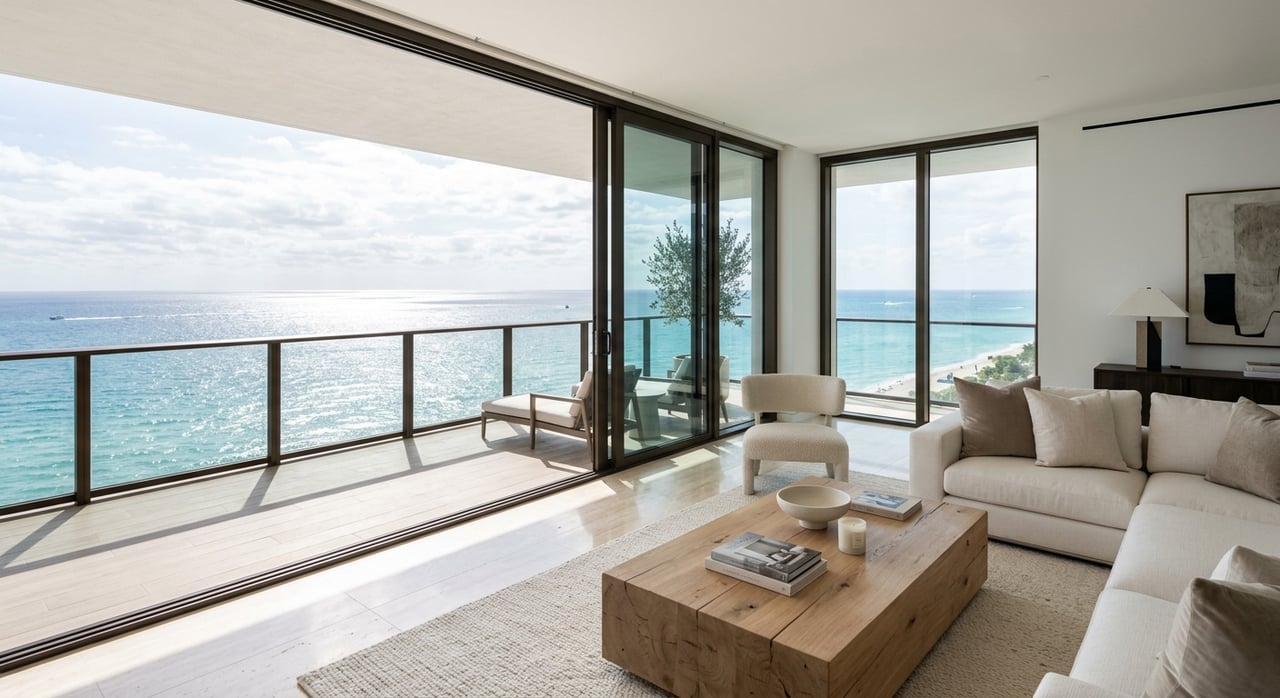
Buying A Pompano Beach Oceanfront Condo From Out Of State
June 11, 2026
June 11, 2026
If you are buying a Pompano Beach oceanfront condo from out of state, the biggest risk is not the flight schedule. It is missing a detail in the building, the documents, or the closing process while you are trying to move fast from afar. When you are balancing video tours, insurance questions, condo rules, and a remote closing, you need a clear sequence that protects both your time and your investment. Let’s break down how to approach it with confidence.
An oceanfront condo search in Pompano Beach should begin with more than views and finishes. Because you are buying in a coastal Broward County market known for beaches, marinas, boating, and seasonal population swings, your first-round criteria should include building condition, association disclosures, insurance considerations, and access logistics.
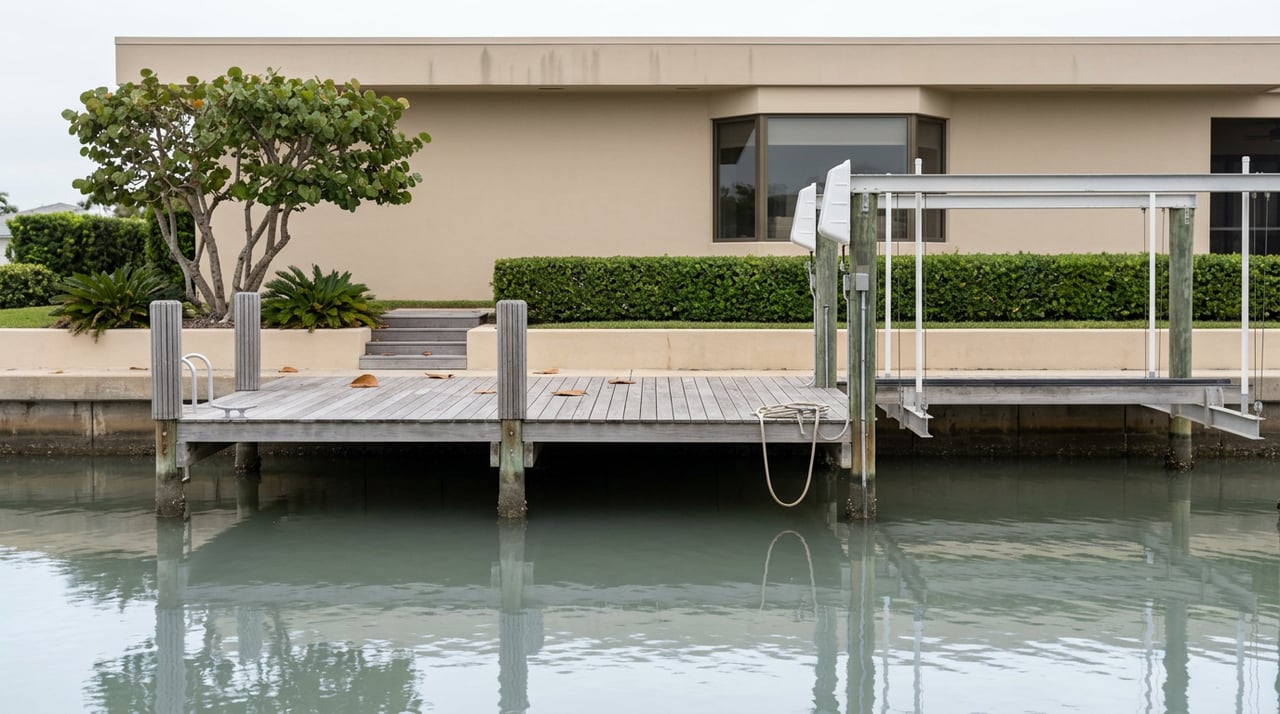
If your lifestyle includes boating, bring that into the search from day one. In Pompano Beach, where the city highlights boating and marina access, you should confirm whether any slip, dock, or lift right is deeded, leased, assigned, or separate from the condo purchase. That question is much easier to answer before you go under contract than after.
Pompano Beach sees a major seasonal population increase, with the city reporting that the population rises from over 101,400 to more than 150,000 when part-time residents return. For you, that can affect everything from showing access to move-in scheduling and vendor availability.
If you are planning a winter closing, expect building staff, movers, and service providers to be busier than they may be in the off-season. A little extra lead time can make the entire transition feel much smoother.
Remote tours are useful, but they should never stand alone. A video walkthrough can help you narrow options, compare floor plans, and spot obvious issues, but it cannot replace a careful review of the condo documents and official association records.
The best approach is to pair every serious tour with a document request. That way, you are not making a remote offer based only on finishes, staging, and camera angles.
For most resale condo purchases in Florida, buyers are entitled to key association and building documents. These can include:
Under Florida condominium law, timing matters. If required disclosures arrive late, the contract can be voidable, and you may have a statutory right to extend closing.
For many oceanfront towers, one of the most important issues is the building itself. Florida law now puts added focus on milestone inspections and structural integrity reserve studies for covered condominium buildings.
For buildings three stories or higher, milestone inspections are required on a 30-year schedule and then every 10 years after that. Structural integrity reserve studies are required on a 10-year cycle for covered buildings. If you are buying from out of state, these reports should be part of your first serious review, not an afterthought.
When reviewing a Pompano Beach oceanfront condo, ask:
These questions help you understand not just the unit, but the financial and operational condition of the building you are joining.
Do not stop at the seller-provided packet. Florida law gives buyers a framework for accessing official condominium records, including minutes, budgets, bylaws, rules, and other records, and associations may satisfy access requirements electronically or by screen-based inspection and printing.
That matters because official records can provide a fuller picture than a short summary. They can also help you understand whether recent meetings, budgeting decisions, or operational issues deserve a closer look before closing.
Florida law sets a 10-working-day response window for certain record requests and requires many condominium records to be retained for at least seven years. For an out-of-state buyer, that means document timing should be treated as part of the deal strategy, not just an administrative step.
A disciplined review process can help you avoid rushing into a contract before the full picture is available.
A clean remote purchase depends on the order of operations. In a Florida condo transaction, contingencies should be sequenced so you have room to review condo documents, financing, appraisal, inspection items, title, and insurance before you are pushed into a final decision.
This is especially important because Florida’s current condo disclosure rules for contracts entered after December 31, 2024 tie the signing package to milestone inspection summaries and structural integrity reserve studies. If those documents arrive later than expected, your contract timeline should be able to absorb that reality.
A practical sequence often looks like this:
For out-of-state buyers, this sequence reduces surprises and keeps decisions tied to facts instead of pressure.
Flood and insurance review should happen at the start of your due diligence, not the end. FEMA’s Flood Map Service Center is the official source for flood-hazard information, and FEMA notes that standard homeowners insurance usually does not cover flood damage.
In high-risk flood zones, federally backed mortgages generally require flood insurance. If the building carries a condominium association flood policy structure, you still need to confirm what the association covers and what you need to insure individually.
Before closing, ask for clarity on:
This is one of the easiest areas to underestimate when you are buying from another state.
The good news is that Florida law allows online notarization in many cases. A Florida online notary can perform an online notarization through audio-video communication, confirm identity, and, when the signer is outside Florida, confirm that the signer wants the act performed under Florida law.
That makes a fully remote closing possible for many buyers, subject to lender and title company procedures. For a time-sensitive out-of-state purchase, this can make the process far more efficient.
The association estoppel certificate is time-sensitive. Under Florida law, the association has 10 business days to deliver the estoppel after request, so your title and closing calendar should account for that deadline.
In Broward County, remote logistics are also more manageable because the county supports secure eRecording, maintains searchable official records, and records deeds through its Official Records system. Broward also offers a free Recording Notification Service that can alert you when conveyance or encumbrance documents are recorded after closing.
Wire fraud prevention should be part of your closing plan from the beginning. This is especially important when you are out of state and sending a large wire without an in-person office visit.
Consumer protection agencies warn that closing scams often use spoofed emails or texts that appear to come from a real estate or settlement professional. The safest approach is simple: confirm wire instructions by calling a known, independently verified phone number, not a number included in an email or text message.
If the condo purchase includes more than the unit itself, title coordination becomes even more important. A separate marina slip, dock right, or lift interest should be reviewed as part of the same transaction file so nothing is left unresolved at closing.
In a waterfront market like Pompano Beach, this matters. If your purchase is tied to boating access, the cleanest path is to treat the condo, any separate marine interest, and the recording package as one coordinated process.
Once the contract is signed, do not wait until the last week to plan your arrival. Because Pompano Beach experiences a substantial seasonal population increase, winter move-ins may come with tighter schedules for movers, service providers, elevators, and building staff.
If you are purchasing a second home or planning a seasonal arrival, confirm move-in procedures with the association as early as possible. A little planning can help you avoid delays right when you want the handoff to feel seamless.
Buying an oceanfront condo from out of state is not just a property search. It is a coordination exercise involving documents, inspections, insurance, title, remote signing, and sometimes boating-related details.
That is why many buyers benefit from working with an advisor who understands South Florida waterfront property at the building level and can coordinate the process with precision. If your goals include both waterfront living and boating, having real estate, yacht, and title coordination aligned under one strategy can save time and reduce friction.
When you are ready to buy in Pompano Beach, the goal is not simply to get to closing. It is to get there with clarity, protection, and a process that respects your time. To plan your purchase with a disciplined waterfront strategy, schedule a free consultation with Patrick Barnicle.
Stay up to date on the latest real estate trends.




Get assistance in determining current property value, crafting a competitive offer, writing and negotiating a contract, and much more. Contact Patrick today.