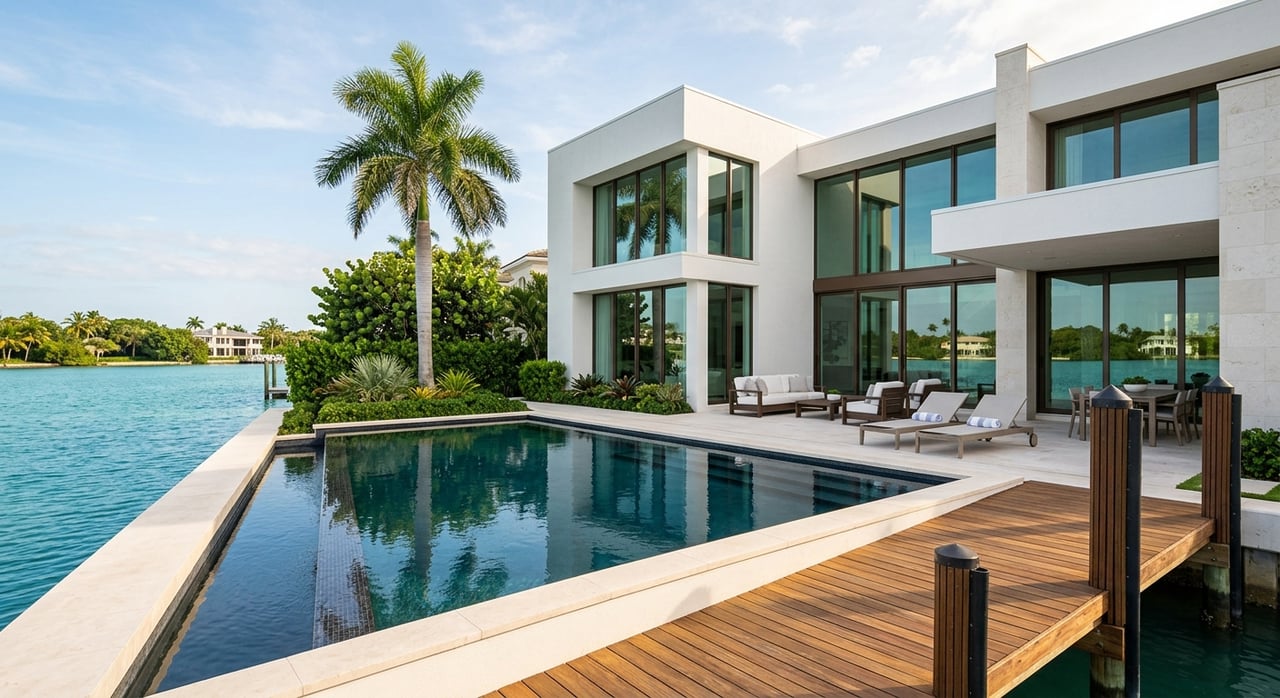
How to Coordinate a Miami Waterfront Home and Yacht Sale
July 9, 2026
July 9, 2026
Selling a Miami waterfront home is rarely just about the house. If you also own a yacht, your timeline can get complicated fast because the property closing, dock access, marina logistics, and vessel transfer all follow different rules. The good news is that with the right plan, you can reduce delays, protect your leverage, and keep both assets moving in sync. Let’s dive in.
Miami-Dade remains a high-value market with an active luxury buyer pool. In Q1 2026, the county’s single-family luxury threshold reached $4.1 million, and ultra-luxury reached $13.6 million. By May 2026, single-family inventory stood at 5.2 months, while condo inventory was 12.9 months.
That matters if you own a waterfront home because serious buyers may be ready to move, even when a sale includes marine logistics. Miami-Dade also reported single-family sales up 10.5% year over year in May 2026, with $1 million-plus home sales up 14.7%. In short, a well-positioned waterfront listing can attract attention, but you still need a disciplined move plan.
Miami is also a major international market. Miami is the No. 1 U.S. market for foreign home buyers, and international buyers purchased 49% of new South Florida construction, pre-construction, and condo conversion sales over the 18-month period ending in July 2025.
For you, that means buyers may care not just about the home itself, but also about how clearly the waterfront lifestyle transfers. Clean timing around dock use, title work, and vessel relocation can make your sale feel more turnkey.
In Florida, your home closing and your yacht transfer are not the same legal process. The Florida Department of Financial Services explains that title is the foundation of property ownership, and the deed must be recorded by the Clerk of Court. Title policy issuance may happen after recording.
On the vessel side, Florida requires a valid certificate of title to sell or transfer a Florida-titled vessel. The Florida Highway Safety and Motor Vehicles agency also says the new owner must file the transfer within 30 days.
That difference is where many timing problems begin. Your home may have one escrow and recording rhythm, while your yacht has a separate title deadline that cannot be ignored.
The Florida Department of Financial Services defines closing services as preparing closing documents, conducting the closing, and handling disbursement of funds related to a real estate transaction where title insurance is issued. If your transaction includes a home and a vessel, those steps need to be tracked alongside marina dates and boat paperwork.
A shared calendar helps everyone stay aligned. That usually means your real estate advisor, title or closing team, and vessel broker are all working from the same set of dates instead of reacting at the last minute.
This option can reduce pressure on your home closing. Miami-Dade County marinas offer wet slips, dry storage, transient dockage, fuel, and other services, and transient space may be available if you call ahead.
That gives you a temporary holding option if the property sale is moving forward but your next dock is not ready. It can also help if you want the home to show cleanly without questions about vessel timing.
This route becomes even more useful during hurricane season. Miami-Dade advises boat owners to secure vessels well before storms, use double lines or dry-dock storage when appropriate, and notes that marinas close when sustained winds reach 39 mph.
If you wait too long, weather can shrink your options. Building in a buffer before closing can make the transition less stressful.
Sometimes the property side should lead the schedule. If the waterfront home needs dock, seawall, boat lift, or mangrove-related work before or during the sale, Miami-Dade permit rules may shape your timeline.
Miami-Dade requires a Class I permit before work in tidal waters or coastal wetlands. The county also says one-time environmental permits may be required before construction or modification, including projects such as a dock or pier.
If your buyer is focused on marine use, unresolved permit issues can slow confidence. In that case, selling the home first may still work, but only if you have already clarified what is permitted, what is in process, and what the buyer will inherit.
For some owners, the cleanest path is to coordinate both closings together. Florida allows split closings, with buyer and seller using different agencies if the lender approves.
That flexibility can help when the home and yacht are each on their own legal track. Still, dual closings work best when the title process, vessel paperwork, and marina move date are coordinated early.
This is where an integrated advisor can add real value. When one professional understands waterfront real estate, vessel transactions, and title coordination, you can avoid handoff mistakes that often happen in complex moves.
One common mistake is assuming every marine-related approval transfers with the property. Miami-Dade says marine facilities with 10 or more slips, moorings, davit spaces, or vessel tie-up spaces need annual operating permits, and commercial boat docking facilities need one regardless of slip count.
The county also states these MOP permits are not transferable. After a sale or legal transfer of the property or facility, the new owner or operator must apply for a new permit within 30 days, and the process typically takes two to four weeks.
If your transaction includes a marina component or more complex docking infrastructure, that timing matters. It can affect how a buyer plans operations after closing.
Miami-Dade guidance specifically lists docks, seawalls, boat lifts, davits, mooring and fender pilings, dredging, filling, and mangrove work as permit-triggering activities. That means even small marine improvements can become part of your sale timeline.
Before going to market, it helps to gather records for existing improvements and identify any pending work. Buyers tend to respond better when the marine side of the property is documented clearly and presented realistically.
A smoother sale usually starts with better documentation. On the real estate side, the Florida Department of Financial Services recommends keeping organized copies of the closing disclosure, title commitment, sales contract, escrow agreement, title insurance policy, and other closing documents.
For the yacht side, the practical equivalent includes your vessel title, registration, marina contract, insurance, and transfer paperwork. Since Florida requires the boat title to be delivered and filed on time, missing paperwork can create avoidable delays.
A simple checklist can keep your transaction moving:
Miami’s buyer base is unusually cash-heavy and international. In May 2026, 38.7% of Miami closed sales were cash. In 2025, 82% of Miami $1 million-and-up condo sales were all cash.
That kind of buyer pool often values clarity and speed. When a waterfront listing comes with confirmed dock access, realistic vessel timing, clean title, and a clear move plan, the transaction can feel easier to execute.
You do not need to overcomplicate the message. Buyers usually want to know whether the property works, whether the paperwork is organized, and whether the vessel transition can happen without leaving anyone in limbo.
If you are preparing to sell a Miami waterfront property and relocate or sell a yacht, start earlier than you think you need to. Review the vessel title timeline, call ahead on transient dockage if needed, and confirm whether any dock or marine infrastructure raises permit questions.
Then build one coordinated schedule for the entire move. That is often the difference between a transaction that feels controlled and one that becomes reactive.
For high-value waterfront sales, precision matters. When your property, vessel, and closing steps are managed together, you give yourself a better chance to protect timing, reduce friction, and present a more complete offering to the market.
If you want a single point of contact for a waterfront home sale, yacht transaction, and closing coordination, Patrick Barnicle offers a disciplined, high-touch approach built for complex South Florida moves.
Stay up to date on the latest real estate trends.





Get assistance in determining current property value, crafting a competitive offer, writing and negotiating a contract, and much more. Contact Patrick today.