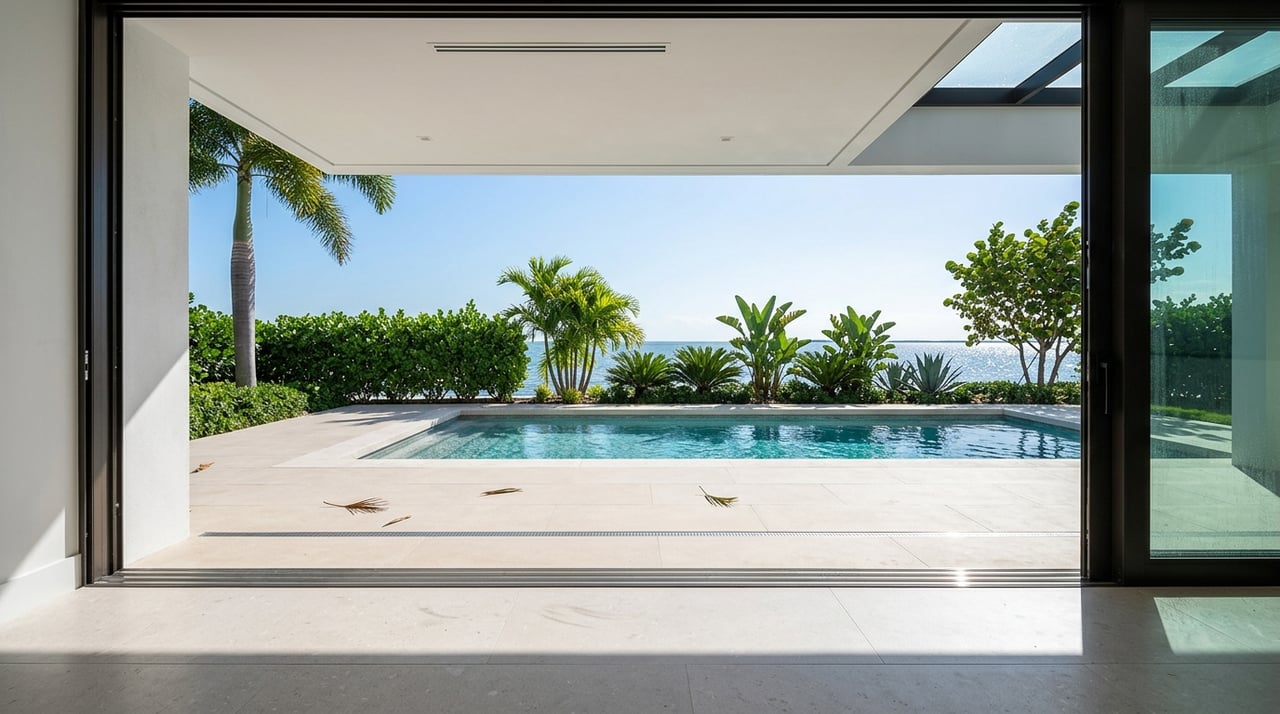
Planning Your Deerfield Beach Second-Home Purchase
June 4, 2026
June 4, 2026
If you are thinking about buying a second home in Deerfield Beach, the biggest mistake is assuming it works like any other Florida purchase. In this market, how you plan to use the property can shape your financing, taxes, insurance, rental options, and even boating logistics. A clear plan on the front end can help you avoid expensive surprises and move with more confidence. Let’s dive in.
Before you tour condos or waterfront homes, define exactly how you want to use the property. Will it be a private seasonal retreat, an occasional rental, or a more active income-producing asset? In Deerfield Beach, that decision affects more than lifestyle. It directly impacts your budget, compliance steps, and loan options.
For taxes, Broward County makes an important distinction between a primary residence and a second home. Homestead benefits apply to a primary residence, and you can claim only one homestead exemption at a time. If you are buying a second home, it is smart to estimate taxes based on the new purchase rather than assume the seller’s current tax bill will carry over.
If you may rent the home, define that plan early. Deerfield Beach treats a vacation rental as a unit rented to transient occupants more than three times in a calendar year for less than 30 days or one month. The city also notes that online advertising can serve as evidence that a property is being operated as a vacation rental.
Your lender will want to understand how the property will be occupied. That is why it helps to settle your intended use before you start comparing loan options. The Consumer Financial Protection Bureau recommends getting your finances in order, setting your budget, gathering documents, and meeting lenders before you shop seriously.
If you are a veteran, this step matters even more. VA guidance says the home must be for your personal occupancy, and seasonal vacation use does not satisfy that standard for a VA purchase loan. In other words, a pure second home is generally not the right fit for VA financing.
If you are buying with another person, think through ownership structure early as well. The CFPB advises buyers to make sure the deed reflects the ownership type they want. That can be especially important for second-home buyers purchasing with a spouse, partner, or family member.
In Deerfield Beach, a second-home budget should include more than your down payment and monthly mortgage. Coastal ownership comes with tax and insurance items that deserve attention well before closing. Building those costs into your plan early can help you shop at the right price point.
Florida documentary stamp tax applies to deeds and recorded mortgages. The state also imposes nonrecurring intangible tax on mortgage-secured obligations. Those costs sit outside ordinary lender fees and title charges, so they should be part of your closing estimate from the beginning.
Property taxes also need a full-year view. Broward property tax bills are mailed on November 1 and due by March 31. Even if you plan to use the home only part of the year, your ownership costs still follow the annual tax cycle.
Insurance can be one of the biggest variables in a Deerfield Beach second-home purchase. The city states that many residents live in or near a Special Flood Hazard Area, and standard homeowners policies do not cover flood damage. It also notes that flood coverage through the National Flood Insurance Program can take 30 days to become effective.
Florida’s insurance regulator says flood insurance may also be required as a condition of your mortgage depending on the property’s location. That means flood insurance should be part of your early due diligence, not something you price out at the last minute. For waterfront and coastal buyers, it belongs in the same conversation as taxes and loan terms.
Wind protection matters too. Florida insurers must offer hurricane wind-mitigation discounts, but those savings depend on a qualified inspection and proper documentation on the state form. If you are comparing properties, details such as roof age, openings, and other mitigation features may affect your long-term carrying costs.
If you are considering a condo or a home in an HOA, review the governing documents before making an offer. Association rules can be just as important as city regulations when your second-home plan includes any form of rental use. A property that seems ideal on paper may not fit your goals once you read the restrictions.
This is especially relevant if you want flexibility. Florida condominium and HOA statutes address rental-restriction amendments, but buyers still need to understand the current rules for the specific community. The practical takeaway is simple: confirm what is allowed before you commit.
If short-term rental income is part of your strategy, Deerfield Beach requires advance planning. The city has a vacation-rental registration process, and it also has a business tax receipt process. No business tax receipt is issued until a Certificate of Use is in place, and the city requires a Broward County business tax receipt in addition to the city receipt.
The city’s forms also show a separate vacation-rental registration process and a not-in-use-as-vacation-rental affidavit. That is a strong reminder that Deerfield Beach tracks whether a property is being used as a short-term rental or not. If you want occasional rental flexibility, verify city registration requirements, association rules, and lender expectations before the first listing goes live.
Another detail buyers often miss is advertising. Deerfield Beach says online advertising can create a rebuttable presumption that the property is operating as a vacation rental. In practical terms, marketing a property online before you have confirmed compliance can create unnecessary risk.
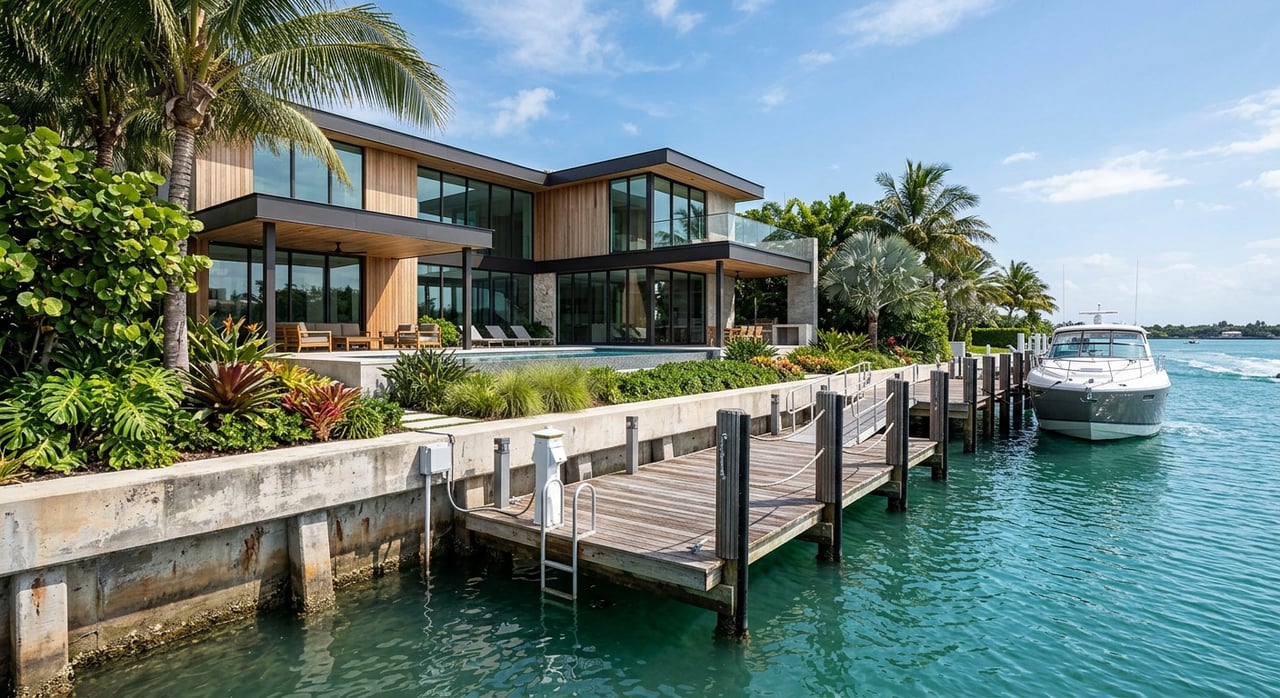
For many second-home buyers, the lifestyle appeal of Deerfield Beach includes water access. If boating is part of your plan, your purchase criteria should go beyond square footage and finishes. You should also think about dock setup, launch access, and whether your boating habits align with the property type.
The city’s Pioneer Park boat launch provides access to the Hillsboro Canal and the Atlantic Ocean, and Deerfield Beach sells annual boat-ramp parking permits. At the same time, the city says the ramp is scheduled to be closed for construction from late February 2026 through the end of November 2026. If public launch access matters to you, verify current conditions before you rely on it.
If you are considering private dock work or a more involved marine setup, Broward County rules may come into play. The county says marine facilities with five or more slips are regulated under the Manatee Protection Plan and require a Marine Facility Operating License. It also states that in-water construction such as docks or seawalls requires an Environmental Resource License.
Broward also notes that waterfront single-family residences and multi-slip facilities with fewer than five slips are not treated as marine facilities under that plan. That distinction can help you compare options between a private dock, shared dockage, or a home without direct dockage. For out-of-town buyers, Deerfield Beach’s ePermitsOneStop system can also make permit applications and reviews easier to manage remotely.
Second-home purchases often involve more moving parts, especially when you are buying from out of town or juggling financing, insurance, and ownership planning at once. A disciplined closing calendar can help reduce delays. That is particularly true if the property will be jointly owned or if you need additional review of closing documents.
The CFPB says buyers must receive the Closing Disclosure at least three business days before closing and should compare it with the Loan Estimate. It also advises contacting the lender or closing agent at least a week before closing to confirm how the disclosure will be delivered. If ownership will be shared, the CFPB notes that some buyers may want a real estate attorney to review the documents.
The broader homebuying process also tends to get paperwork-heavy near the finish line. If you want extra support understanding the process, HUD-approved housing counselors are available to help consumers navigate homebuying questions. The most effective approach is to keep your documentation organized and confirm key dates early.
If you want a cleaner path to closing, the order of decisions matters. In Deerfield Beach, the safest approach is to define how the home will be used, confirm the right loan type, budget for taxes and coastal insurance, verify rental and boating rules, and then lock down the closing calendar. That sequence can help you avoid making a beautiful purchase that does not actually fit your financial or lifestyle goals.
For buyers focused on waterfront living, condo convenience, or seasonal ownership with future flexibility, details matter in this market. Clear planning is what turns a second-home purchase from a guess into a strategy.
When you want experienced guidance on Deerfield Beach waterfront homes, coastal condos, boating considerations, and closing coordination, schedule a free consultation with Patrick Barnicle.
Stay up to date on the latest real estate trends.
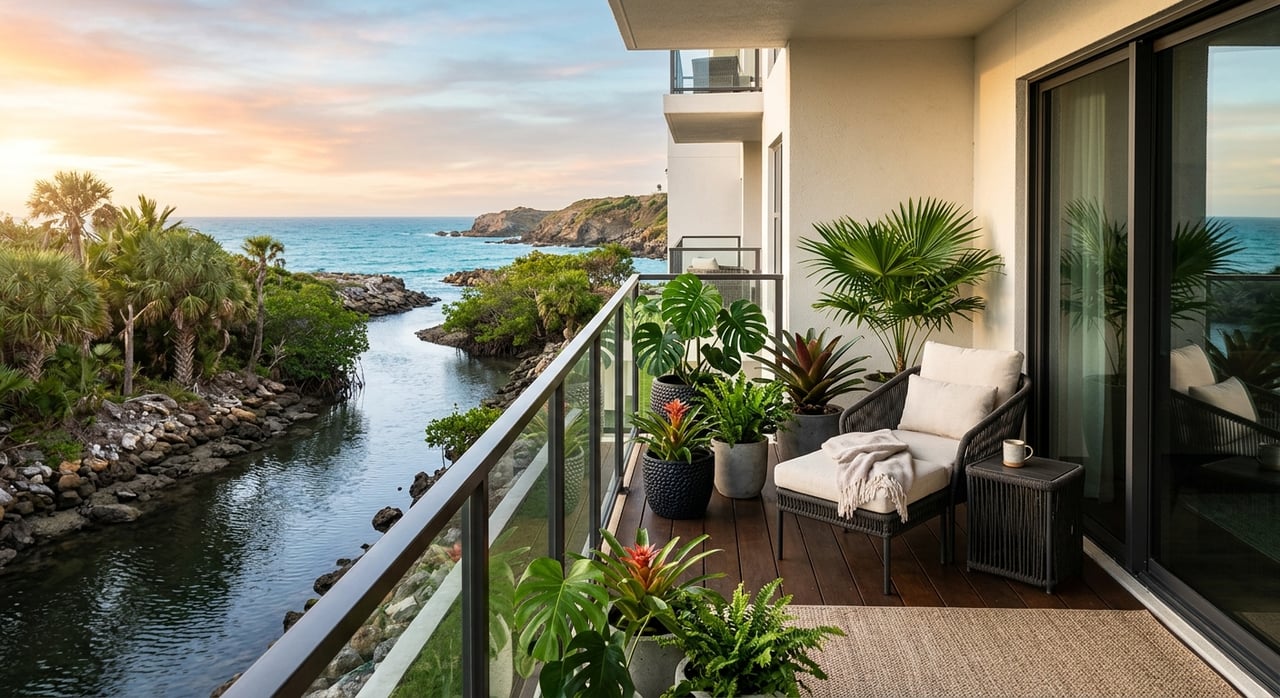
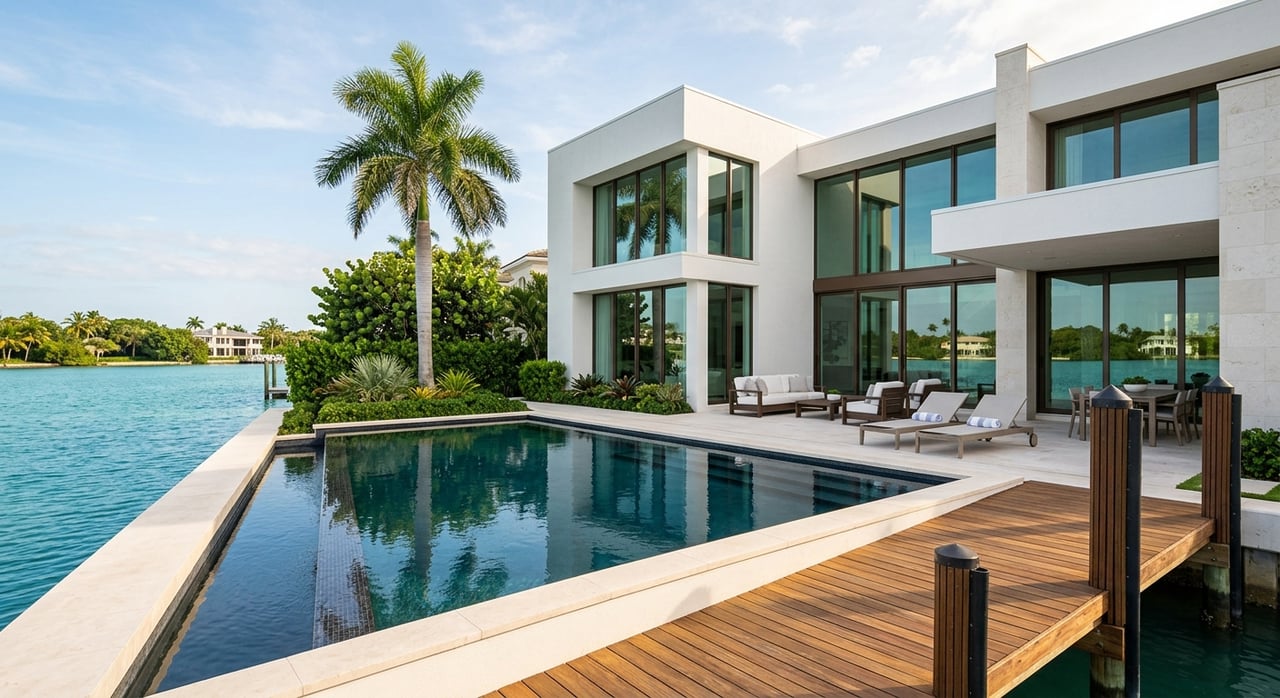

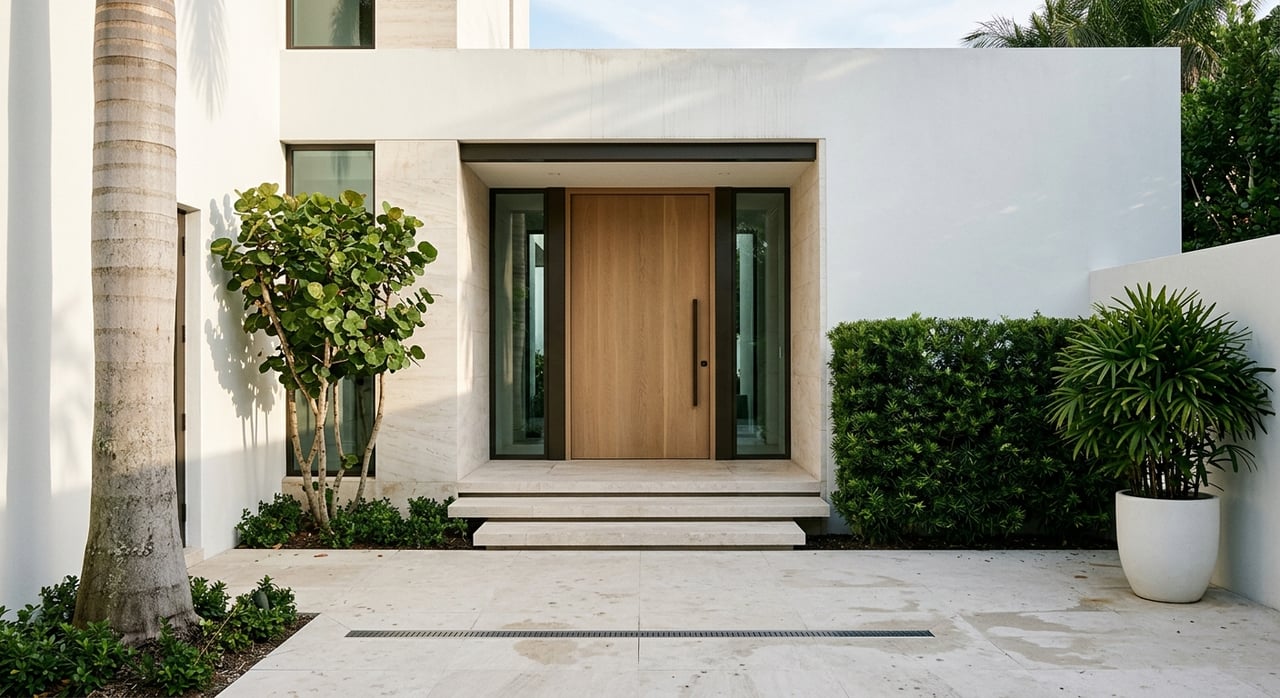

Get assistance in determining current property value, crafting a competitive offer, writing and negotiating a contract, and much more. Contact Patrick today.