What Day-To-Day Life Is Like On Fort Lauderdale’s Intracoastal
July 16, 2026
July 16, 2026
Wake up on Fort Lauderdale’s Intracoastal, and the water is not just your view. It becomes part of your routine. If you are thinking about buying, selling, or simply trying to understand what waterfront life really feels like here, it helps to know that daily life is shaped by boats, bridges, docks, and the steady rhythm of the water. Let’s dive in.
Life on Fort Lauderdale’s Intracoastal feels active because the waterway is active. The city has 165 miles of navigable waterways, and marine facilities sit alongside the New River and the Intracoastal Waterway. That means the waterfront is not a backdrop alone. It functions as part of how the city lives and moves.
You will notice that boating is part of the daily atmosphere. On the New River and major waterfront channels, passing boats and yachts are a normal part of the day. Marinas, restaurants, and waterfront activity help create a setting that feels dynamic from morning through evening.
That also means waterfront living here tends to feel practical as well as scenic. Docks, launch access, and pump-out services point to a lifestyle where marine use is built into normal routines. If you own a boat, or plan to, the water is likely to be part of your schedule, not just your view.
On the Intracoastal, your version of “going out” may look a little different. In some parts of Fort Lauderdale, a short trip to lunch, cocktails, or a marina can involve road travel, a trolley, or a water-based ride. That mix is part of what makes the area feel distinct.
The city’s free LauderGO! Water Trolley runs daily on the New River, and local transportation options include community shuttles such as Beach Link, Las Olas Link, Downtown Link, NW Community Link, and Neighborhood Link. These can make local trips easier, especially when you are staying close to the core waterfront areas.
For longer travel, road and rail still matter more. The Tri-Rail Fort Lauderdale Station at 200 SW 21st Terrace connects to Broward County bus routes, Circuit on-demand rides, and the city’s shuttle network. If you commute beyond the waterfront, the Intracoastal lifestyle usually works best when you think of water transit as a complement, not a full replacement.
One of the most overlooked parts of waterfront life is bridge timing. If your home is near a drawbridge or a heavily used channel, bridge operations can become part of your normal planning. A quick drive across town may not always feel as predictable as it does inland.
The city has adjusted weekday operations for the SE 17 Street Bridge to reduce peak-hour congestion while maintaining marine access. The Water Trolley also notes that bridge openings can create delays. In practical terms, that means convenience and activity often come with a little more motion and timing awareness.
For some buyers, that energy is a plus. For others, a quieter canal or less active stretch of water may feel like a better fit. This is one of the biggest reasons location on the water matters just as much as being on the water.
Fort Lauderdale’s Intracoastal lifestyle is often more water-oriented than people expect. Yes, the beach matters, but the social scene often revolves around canals, marinas, waterfront restaurants, and stops along the New River and Intracoastal. That changes how weekends and evenings feel.
Waterfront dining is a major part of the experience. Local waterfront routes connect places such as Las Olas, Marina Village and Bahia Mar, 15th Street Fisheries, and Shooters Waterfront. The result is a lifestyle where boats, dining, shopping, and nightlife often intersect.
In many cases, travel itself becomes part of the leisure time. A scenic ride on the Water Trolley or a local Water Taxi trip can feel like part of the outing, not just transportation. That is a big reason so many people are drawn to this part of Fort Lauderdale in the first place.
One of the appealing things about this area is that public access still plays a role. The city operates public marine facilities, public docking, launch sites, and complimentary pump-out locations. These are first-come, first-served and part of a broader working waterfront environment.
That creates a lived-in feel rather than a sealed-off one. Even in a luxury market, the water remains active and shared in visible ways. You are not just looking at a private amenity. You are living alongside a real marine corridor.
Not all Intracoastal living feels the same. Your day-to-day experience can shift a lot depending on whether you live in a single-family waterfront home, a condo, or a property near a bridge, marina, or busier channel. Small location differences can create a very different routine.
That is why lifestyle fit matters as much as square footage or finishes. A beautiful property can still feel wrong if the pace of the waterway does not match how you want to live. On the Intracoastal, the surrounding marine environment is part of the home experience.
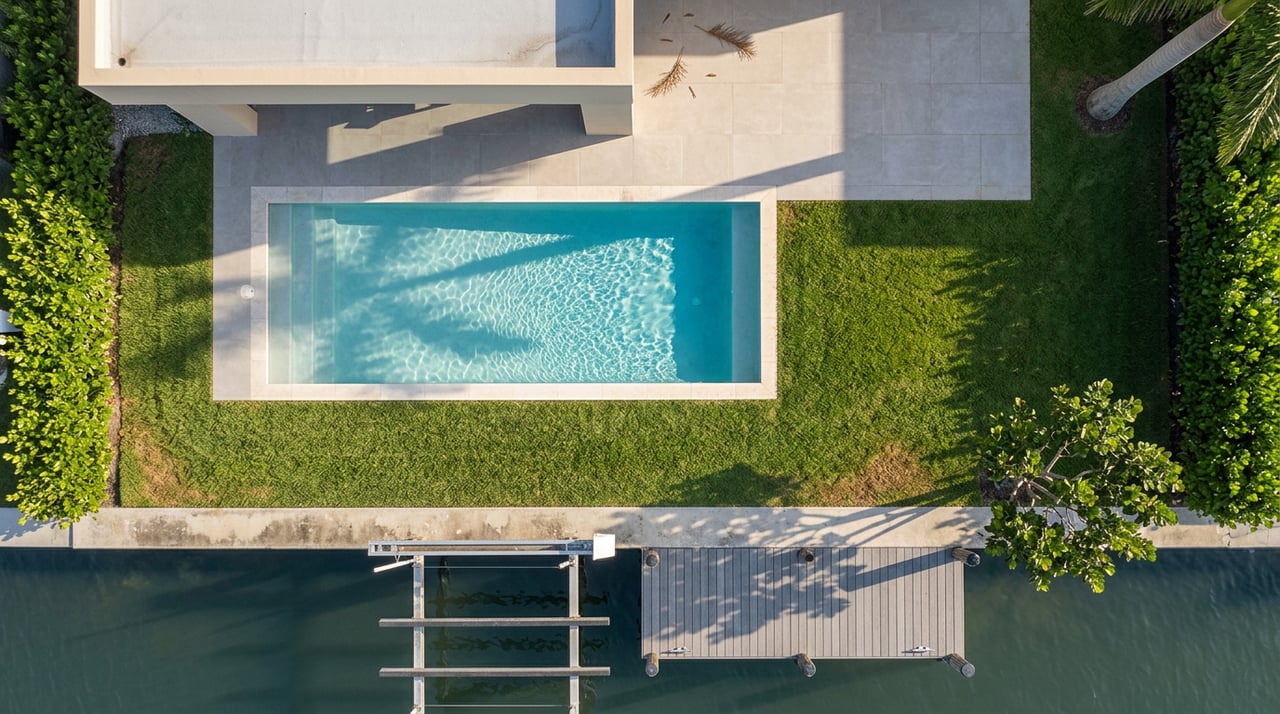
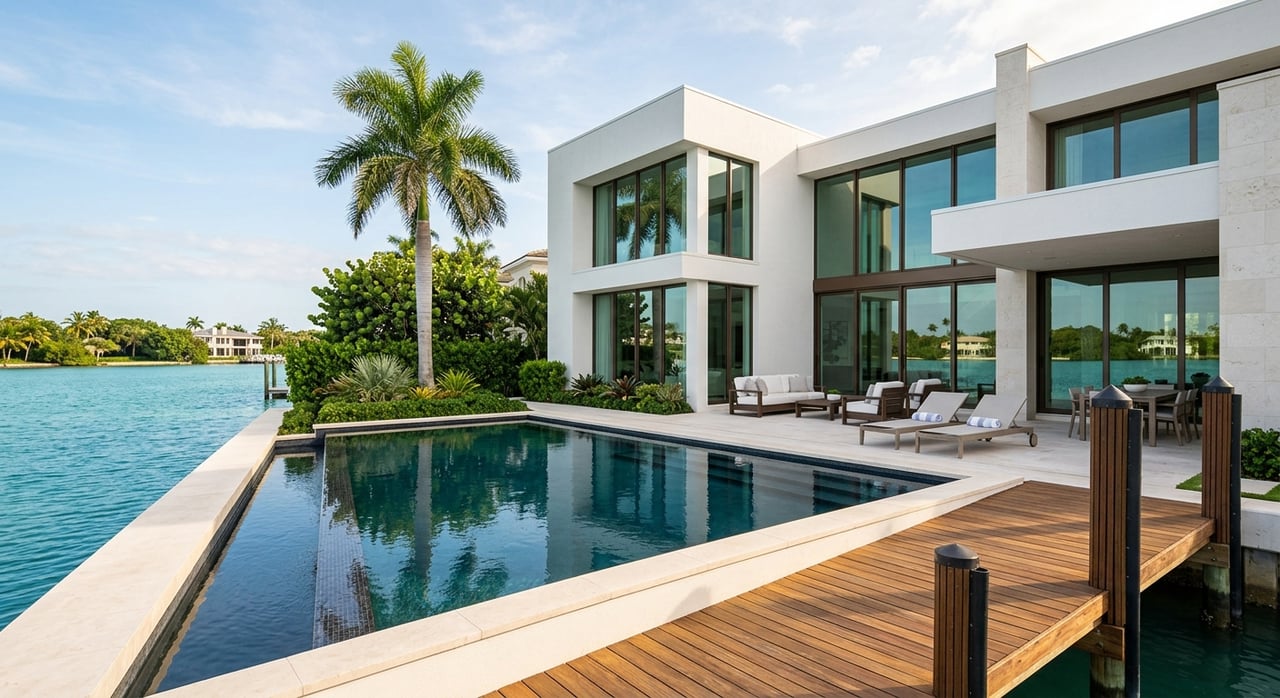
In a single-family waterfront home, the dock often becomes one of the most important outdoor spaces. If the property supports boating, you may think regularly about boat size, clearance, tie-up space, and seawall condition. Those are not side issues here. They are part of ordinary ownership.
Even if you do not use a vessel every day, dock access tends to shape how you use the property. It may affect entertaining, storage, maintenance planning, and how often you spend time outdoors. On many waterfront homes, the dock functions almost like an extra room with a marine purpose.
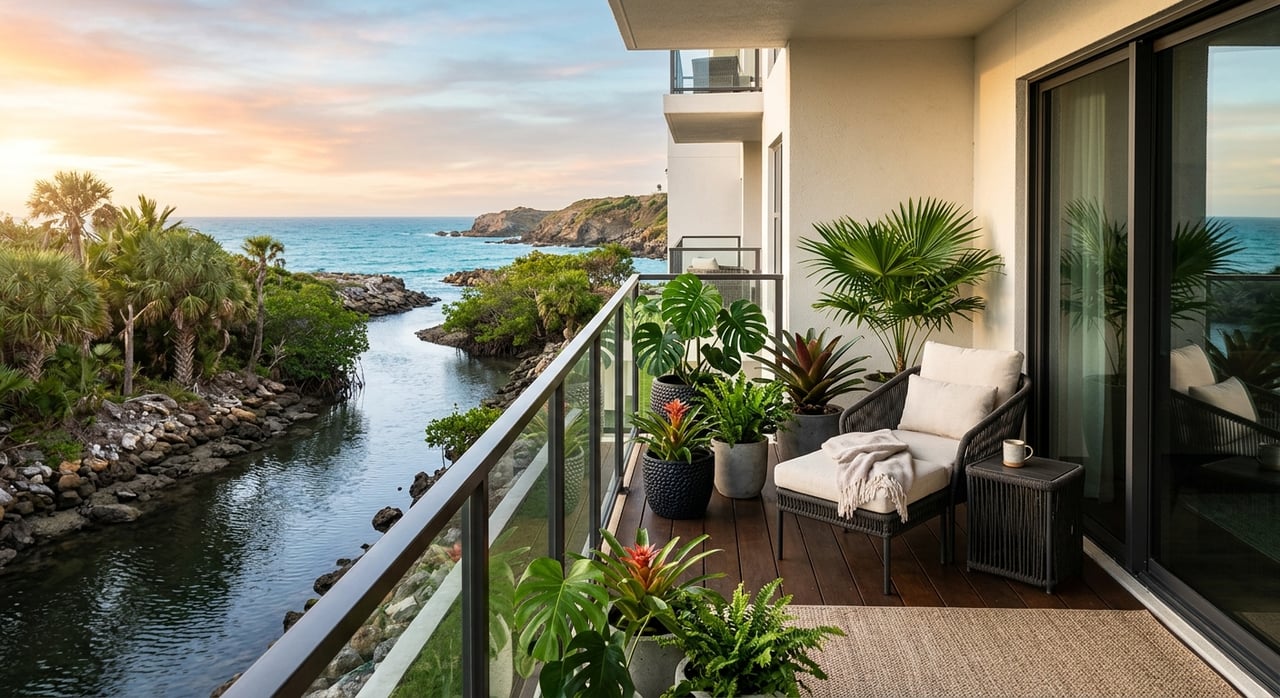
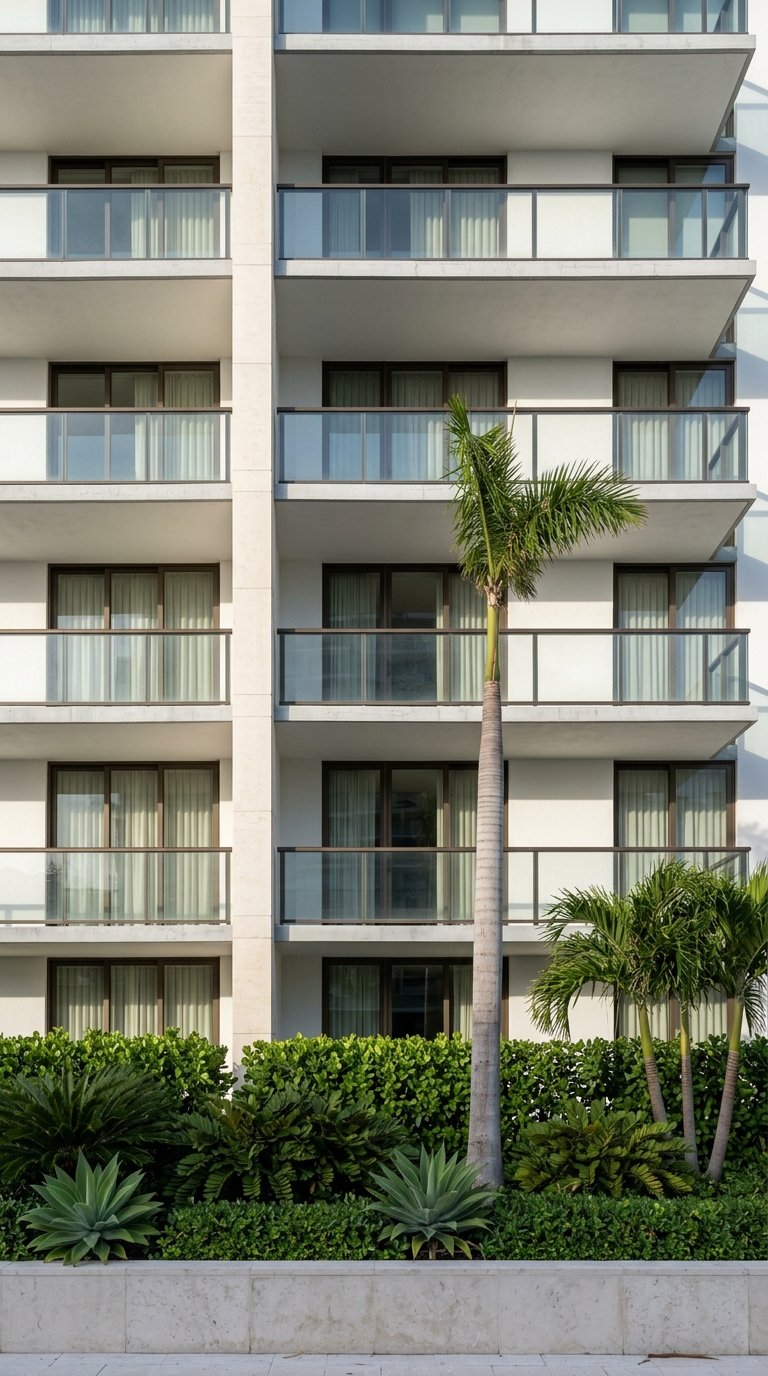
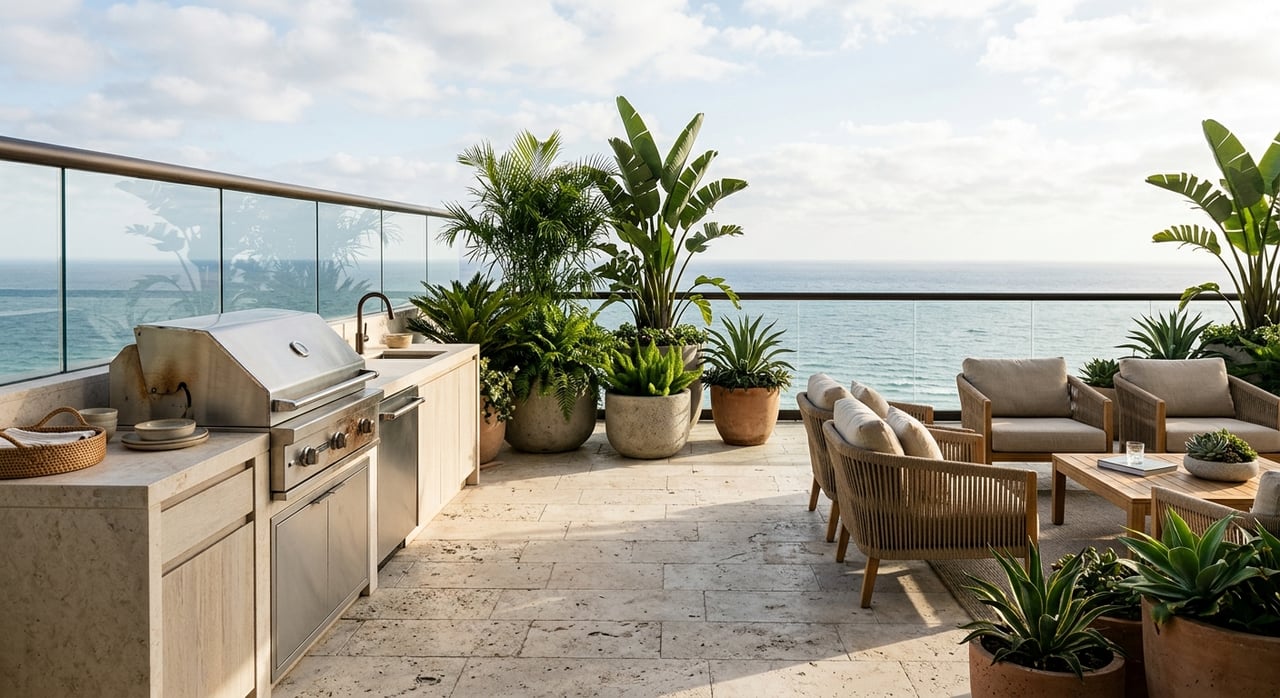
In condos and high-rises, the experience often centers more on the view. The balcony can become your main outdoor space for coffee, sunsets, and watching marine traffic move through the day. That creates a waterfront lifestyle that feels easier to lock and leave, while still staying connected to the water.
For many buyers, that is the appeal. You still get the movement, scenery, and proximity to dining and boating culture without the same level of direct dock responsibility. It is a different kind of access, but it can be just as compelling.
Some waterfront addresses feel energetic from the moment you arrive. Homes near drawbridges, marinas, and major channels often have more activity, more boat traffic, and more movement throughout the day. That can feel vibrant, especially if you enjoy being close to dining, marinas, and local destinations.
Other locations feel calmer and more tucked away. Those quieter stretches may offer a more residential feel while still keeping you connected to the waterfront lifestyle. If you are weighing options, this is one of the smartest points to compare in person.
Owning on the water also means paying attention to conditions that inland owners may not think about as often. The city advises residents in low-lying waterfront areas to inspect seawalls, review flood insurance, and prepare for possible roadway flooding during king tides and other high-tide events. That guidance is an important part of living near the water.
Water quality is also monitored as part of routine waterfront management. The city funds weekly sampling at recreational sites including Central Intracoastal, Oakland Park Bridge, and SE 17th Street Bridge, with results posted through local reporting tools. That tells you the waterfront here is managed as an active public resource, not just a scenic amenity.
For buyers, this is a reminder to evaluate the practical side of the property as carefully as the design and view. For sellers, it shows why strong preparation and clear positioning matter when bringing a waterfront home to market.
Many buyers ask the same basic questions when they start looking along the Intracoastal. They want to know if it is noisy, if a dock will really get used, if flooding is something to think about, and whether water transit is useful day to day. These are the right questions.
The answers usually depend on the exact location and property type. A home near a bridge or nightlife area may feel more active than one on a quieter canal. A dock can become a major everyday asset if your lifestyle includes boating, while condos may deliver the water experience more through views and proximity.
The key is to look beyond the listing photos. On Fort Lauderdale’s Intracoastal, daily life is shaped by details that only become obvious when you understand how the waterfront actually works.
Buying or selling on the Intracoastal is rarely just about the home itself. You are also evaluating water access, bridge patterns, dock utility, building style, and how closely your property connects to Fort Lauderdale’s boating culture. That takes a more specific lens than a standard home search.
If you are comparing a high-rise condo to a dock-ready waterfront home, or trying to understand how a yacht lifestyle fits into your next move, it helps to work with someone who understands both sides of the equation. For a more tailored look at waterfront homes, condos, and the boating lifestyle in Fort Lauderdale, connect with Patrick Barnicle.
Stay up to date on the latest real estate trends.
Get assistance in determining current property value, crafting a competitive offer, writing and negotiating a contract, and much more. Contact Patrick today.