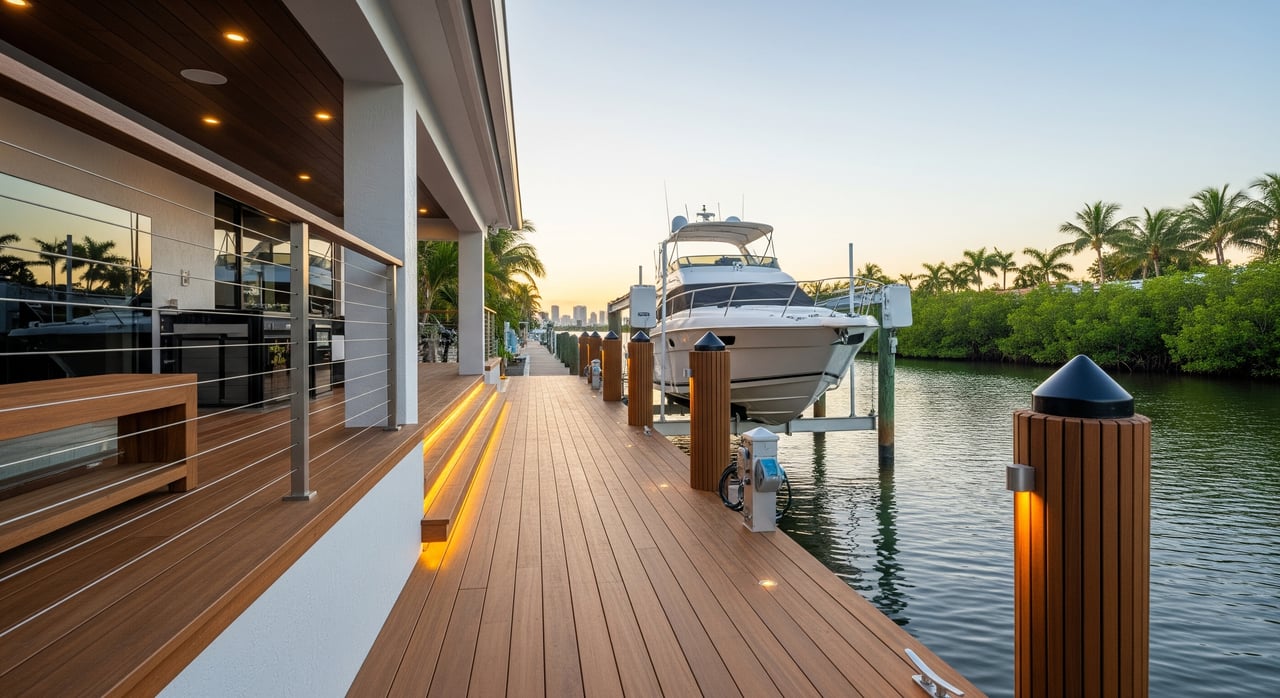
If you want top dollar for a Fort Lauderdale waterfront home, you need a launch plan built for yacht-capable buyers. You are not just selling a house. You are selling dock length, bridge clearance, canal depth, and a lifestyle tied to the Intracoastal. This playbook gives you a clear path to price, market, show, and close with confidence. Let’s dive in.
Why Fort Lauderdale stands out
Fort Lauderdale is a global yachting hub, anchored by the annual Fort Lauderdale International Boat Show, which attracts serious buyers and marine professionals from around the world. When you time your listing around major events like FLIBS, you place your property in front of motivated, qualified traffic. Seasonal visitation from November through April is also strong, according to Visit Lauderdale’s tourism resources, which means your marketing window can align with peak demand. Track state and local market updates from Florida Realtors to understand inventory and pricing trends as you plan.
Pre-listing technical checklist
Before you go live, assemble documents that waterfront buyers and their advisors will ask for. Doing this early builds trust and removes friction during negotiations.
Documents to gather
- Current survey that marks mean high water and mean low water, along with easements and encroachments.
- Seawall and bulkhead records, including dates, engineering reports, and warranties.
- Dock and boat lift specifications: usable length at mean low tide, piling material and condition, lift capacity, electrical service, and water or fuel hookups.
- Permits and approvals for seawall, dock, and upland improvements from the city, county, and state. For marine work, confirm requirements with the U.S. Army Corps of Engineers and the Florida Department of Environmental Protection.
- Flood documentation: FEMA flood zone determination, elevation certificate, and any active flood policy or claims history.
- Title documents, recorded riparian rights, and any deeded or leased slip agreements.
- HOA or marina agreements and estoppels that affect use or slip transfer.
You can verify parcel records and some recorded documents through the Broward County Property Appraiser.
Inspections that build buyer confidence
- Seawall and tieback engineering inspection to confirm structural integrity and elevation.
- Dock, piling, and lift inspection. If appropriate, include underwater evaluation.
- Depth measurements at mean low tide and notes on maneuvering or turning basins. Reference NOAA tide predictions for context.
- Full home inspection with focus on marine-adjacent systems like dock electrical and drainage.
Clear permitting and disclosure
Waterfront improvements often require federal, state, and local permission. Assemble permits and plans for your dock, seawall, and lifts, and be ready to show compliance with city and county standards. For flood-related disclosures, share your elevation certificate and FEMA zone information sourced from the FEMA Map Service Center.
Pricing strategy: “price to the tide of demand”
Pricing waterfront property is not the same as pricing inland homes. You need comps with similar water access and marine features to avoid mispricing.
What drives value on the water
- Access classification. Direct ocean access with no fixed bridges commands a premium over bridged or shallow canal access.
- Dock capacity. Usable length at mean low tide, lift capacity, number of berths, and electrical service all matter to yacht owners.
- Seawall condition. Engineered, recently updated seawalls reduce risk and boost perceived value.
- Canal width and turning radius. Wide canals and nearby turning basins help with larger vessels.
- Proximity to marinas and amenities. Access to Las Olas, major marinas, dining, and services influences lifestyle and pricing.
- Overall property condition and privacy. High-quality finishes and protected views perform best.
Timing to catch buyer traffic
Plan to launch ahead of or during winter high season and align with marine events like FLIBS. This puts your listing in front of buyers who may be touring yachts and properties on the same trip. Use market data from Florida Realtors to gauge inventory, then price within realistic bands that reflect your property’s exact marine profile.
Validation and adjustments
When features are unique, consider a marine-informed appraisal and a consultation with a surveyor for seawall and dock condition. If showings lag during peak season, adjust quickly. The goal is to create early interest among the right buyers, not to chase the market down later.
Marketing that sells the marine lifestyle
Your media must show the water story as clearly as the home itself. Buyers should understand access, depth, and dock usability before they set foot on site.
Messaging priorities
- Call out direct ocean access, bridge clearance, canal width, and depth at mean low tide.
- Specify dock length and lift capacity, and whether a deeded slip is included.
- Showcase recent seawall or dock engineering and any elevation documentation.
- Highlight nearby marinas, Las Olas dining, and the ease of boat arrivals.
Visual media that works
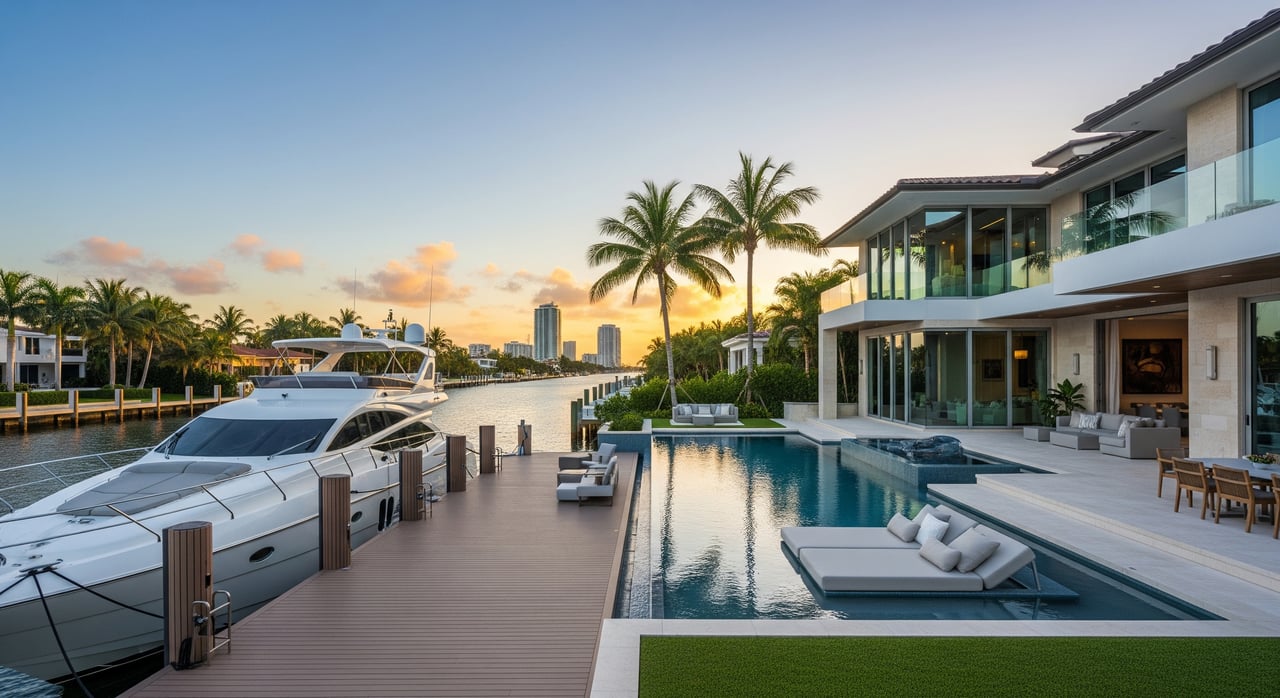
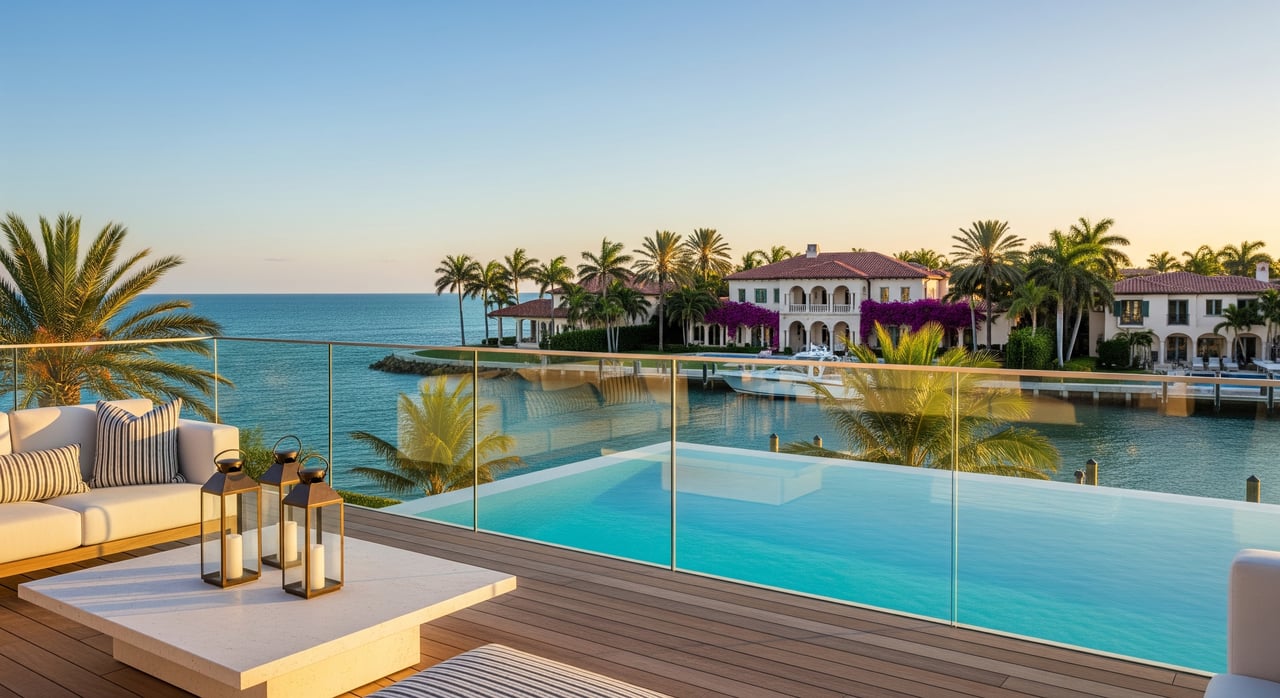
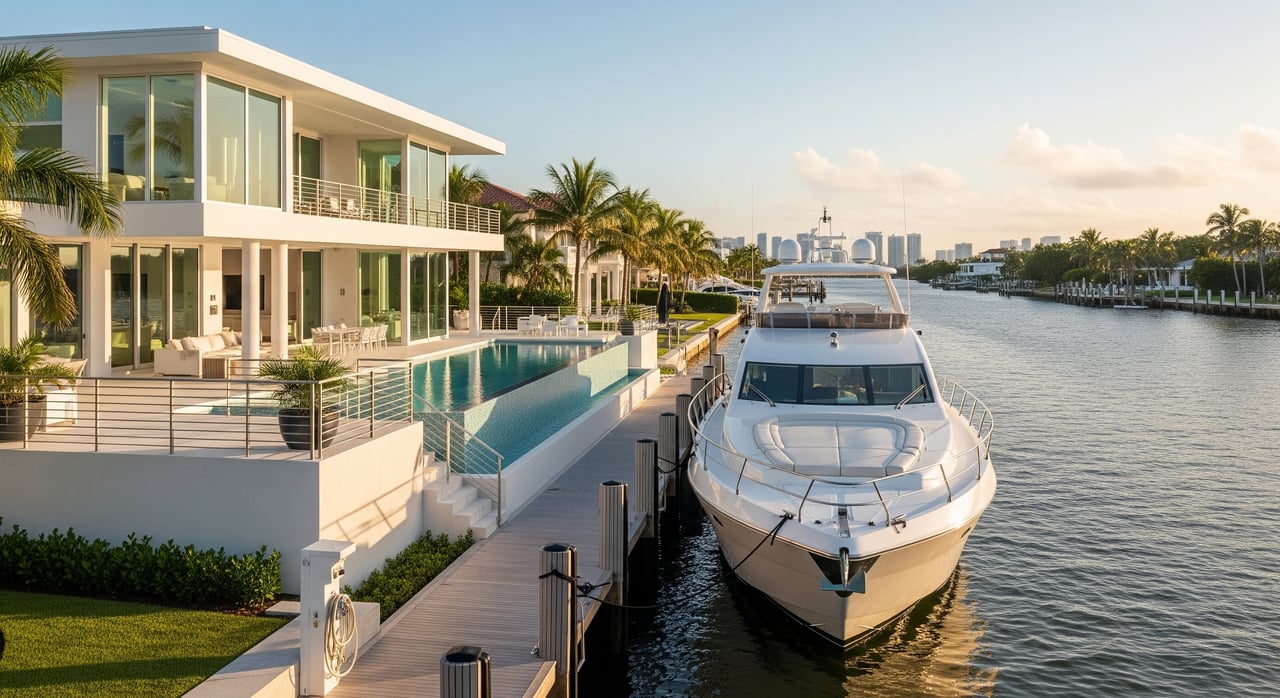
- High-end photography with twilight shots to capture reflections and indoor-outdoor flow.
- Aerial and drone footage to show canal width, turning basins, and proximity to the Intracoastal, using FAA-compliant operators.
- Cinematic lifestyle videos featuring boat arrivals and dock walk-throughs. Create short cuts for social and long-form for private circulation.
- 3D tours and floor plans that include dock and exterior paths. Add a simple dock diagram noting depth and clearances. Do not guess on water depths.
Distribution to reach yacht buyers
- Tap luxury real estate networks and high-net-worth media where permitted by your brokerage.
- Coordinate with yacht brokers and advertise where yacht owners read and interact.
- Align private showings with boat show calendars, including FLIBS, to capture traveling buyers.
- Use geo-targeted digital ads focused on marinas, yacht clubs, private jet FBOs, and seasonal HNW ZIP codes.
- Host broker opens and private waterborne previews to demonstrate approach and docking.
Staging and readiness
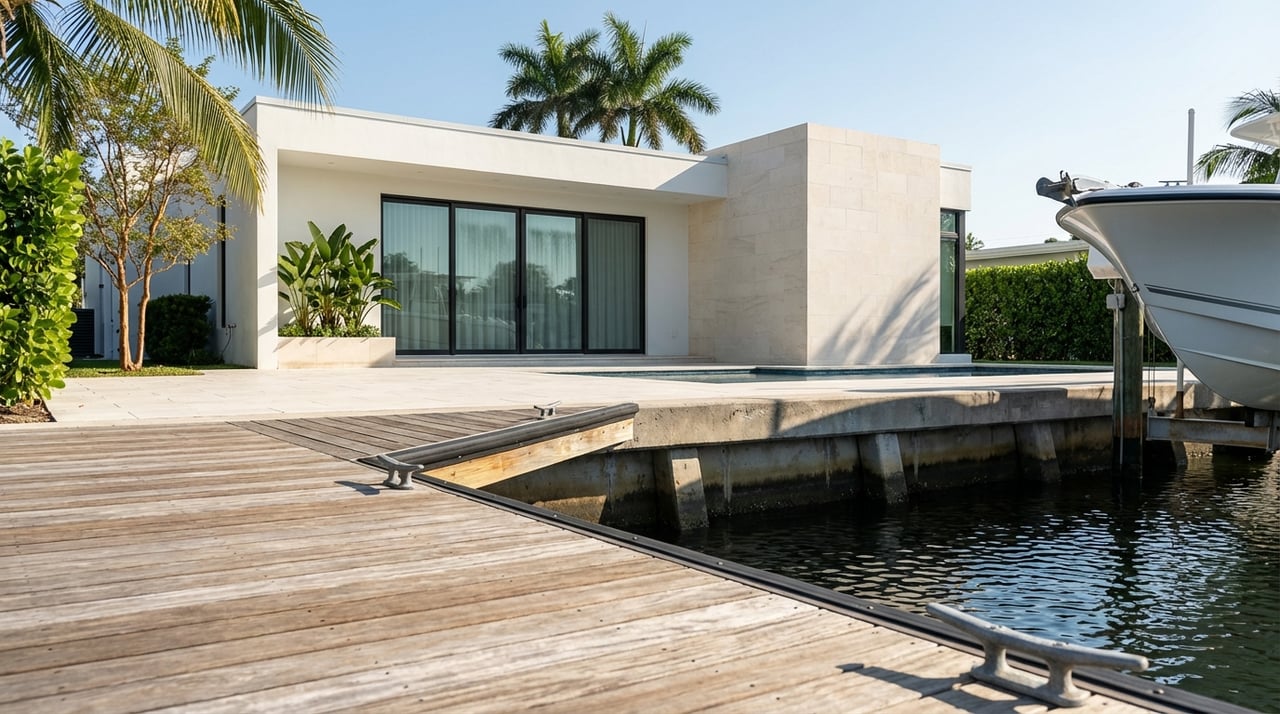
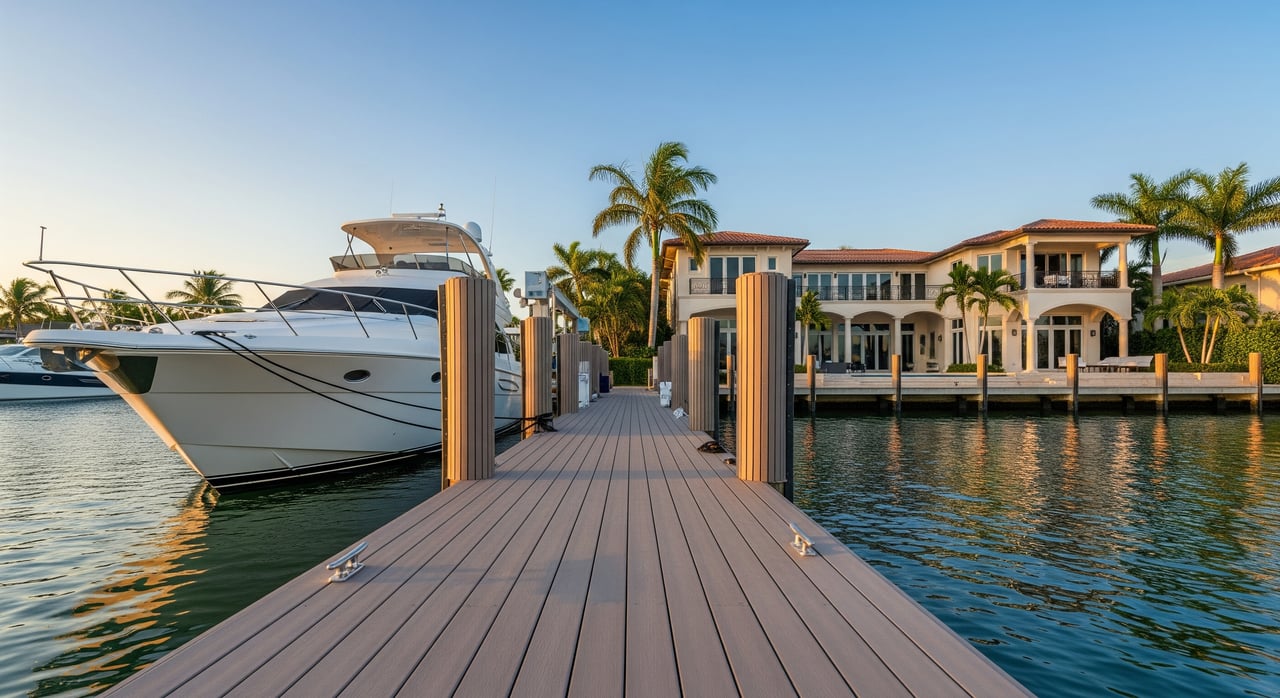
- Clear dock clutter and present tidy lines and lifts. A clean, safe dock photographs better and shows confidence.
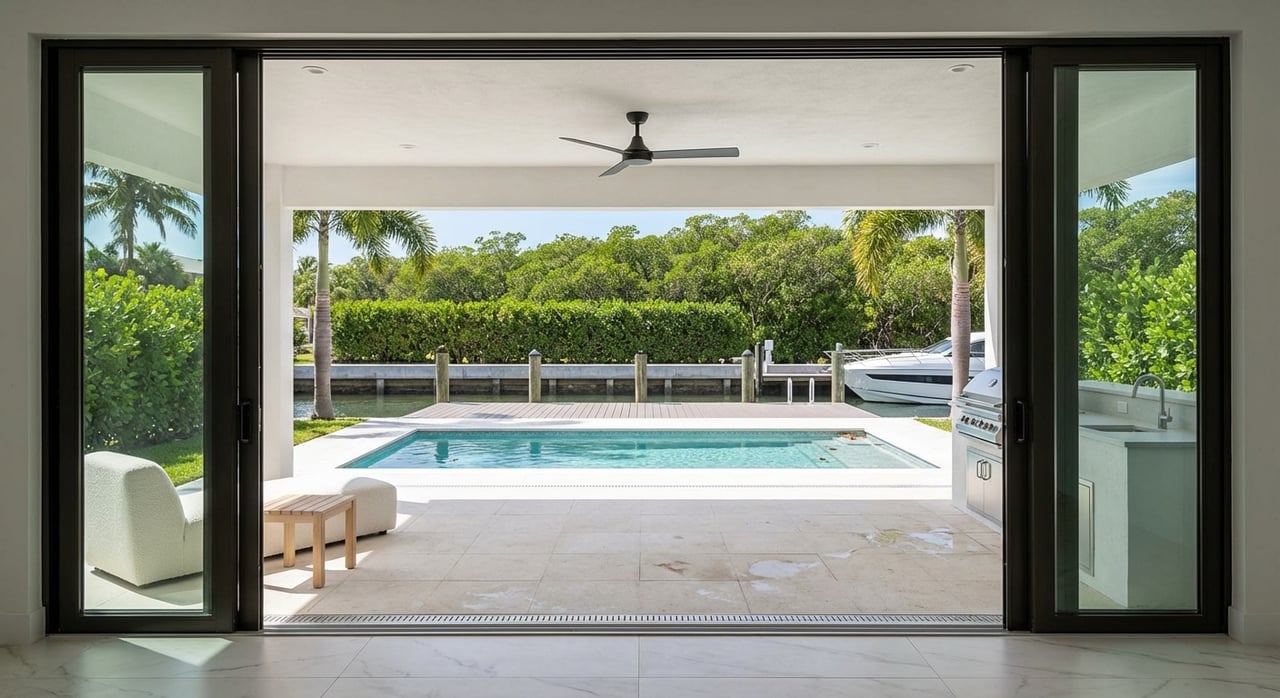
- Stage outdoor entertaining areas to demonstrate flow between kitchen, terrace, and dockside.
- Prepare printed spec sheets for dock, lifts, and seawall, plus key permits and surveys.
Showings: land and water logistics
Waterfront showings require planning. Set clear windows for both land and boat access to protect your time and your neighbors’ routine.
- Coordinate showings around tides and bridge schedules using NOAA’s Tides & Currents. When possible, schedule in-water demos at favorable water levels.
- Confirm dock safety: non-slip surfaces, good lighting, railings where needed, life rings or vests, and clear liability protocols. Be sure homeowner’s insurance covers showings.
- Require financial pre-qualification for in-water previews. Consider broker-to-broker confirmations and yacht broker coordination.
Title, permits, and closing coordination
Waterfront transactions can involve riparian rights, recorded easements, and submerged land questions. Address these early to keep your contract on track.
Title items to verify
- Riparian rights and access. Confirm whether your deed includes riparian rights, a deeded slip, or only permitable docking.
- Submerged lands. Improvements seaward of mean high water can require state leases. Title policies often list exceptions for state-owned lands.
- Easements and marina agreements. Verify any access easements, leased slips, and transfer procedures. Gather estoppels.
- Encroachments. Unpermitted docks or lifts that encroach on neighbors or public lands can delay or derail closings.
Flood and lender requirements
Many waterfront homes sit in FEMA AE or VE zones. Buyers will want your elevation certificate and flood policy details, sourced from the FEMA Map Service Center. Lenders typically require flood insurance, so giving this information up front speeds underwriting.
Team and process
Engage a title company experienced in waterfront transactions early so they can coordinate with surveyors and, if necessary, marine counsel. Complex files with marina agreements and riparian instruments benefit from calendar buffers. Plan for remote notarization and secure wire procedures when serving out-of-area or international buyers.
Risk management and insurance
A little preparation reduces surprises and keeps negotiations calm.
Flood and wind coverage
Provide your most recent flood policy details and any claims history. Buyers will evaluate insurance for both flood and wind coverage, and an elevation certificate often helps them obtain accurate quotes through the NFIP. The FEMA Map Service Center is the best place to confirm zoning and map references.
Seawall, dock, and maintenance records
Bring maintenance logs, contractor invoices, and any warranties for seawall work, tiebacks, pilings, and lifts. Engineering signoffs are valuable to risk-conscious buyers and can reduce additional inspection requests.
Environmental and permitting checks
If there are stormwater outfalls nearby or a history of erosion, be transparent and provide any engineering or county documents you have. For any future improvements, point buyers to permitting guidance from the U.S. Army Corps of Engineers and the Florida Department of Environmental Protection so they understand the process.
Sample launch timeline
Use this simple timeline to prepare, launch, and close with fewer delays.
6 to 8 weeks pre-listing
- Assemble survey, permits, seawall and dock records, elevation certificate, and title documents.
- Order seawall and dock engineering inspections and schedule any minor repairs.
- Consult your advisor on comps and price bands based on access, depth, and dock capacity.
- Book media: photographer, drone team, videographer, and boat access for filming.
2 to 4 weeks pre-listing
- Finish staging, safety checks, and twilight shoot scheduling.
- Prepare dock and seawall spec sheets and a clean dock diagram with accurate notes.
- Soft preview to yacht brokers and luxury networks to build early interest.
Launch week
- Release synchronized land and water media across listing portals and private channels.
- Initiate targeted digital ads and broker outreach. Align with FLIBS timing if possible.
- Host broker opens and waterborne previews for qualified prospects.
Contract to close
- Deliver all assembled documents immediately to the buyer.
- Coordinate inspections: seawall, dock, and home.
- Title reviews riparian rights, easements, and any submerged land issues. Cure early.
- Schedule a final land and water walkthrough. Hand off keys, codes, lift manuals, and all marine records at closing.
Make your listing stand out
Waterfront listings demand precision. When you combine marine-savvy pricing, clear documentation, cinematic media, and coordinated land and water showings, you give yacht-capable buyers exactly what they need to act. If you want a single point of contact for real estate, yacht brokerage, and title coordination, connect with Patrick Barnicle to plan your launch.
FAQs
What matters most to yacht buyers in Fort Lauderdale waterfront homes?
- Access with no fixed bridges, usable dock length at mean low tide, lift capacity, canal width for maneuvering, and a well-documented seawall.
How should you time a Fort Lauderdale waterfront listing?
- Launch ahead of winter high season and align with major marine events to capture traveling buyers, then monitor showings and adjust pricing quickly if needed.
What documents do you need before listing a Broward waterfront property?
- Survey, permits for dock and seawall, seawall and dock records, elevation certificate, flood policy details, title documents, and any HOA or marina agreements.
How do tides and bridge clearances affect showings?
- They determine whether a vessel can reach and safely dock at your property, so you should schedule in-water previews around favorable tides and known bridge openings.
Do you need flood insurance for a Fort Lauderdale waterfront home?
- If the property is in a lender-required flood zone, you will typically need flood insurance, and buyers will want your elevation certificate and policy details early in the process.